
Performance Volatility Forces AC Milan’s Strategic Re-evaluation
AC Milan finds itself in a precarious position, necessitating a strategic re-evaluation following a sharp downturn in performance. After maintaining a remarkable 24-match unbeaten streak, the team has lost three of its last six Serie A fixtures. This rapid regression in form has shifted the club’s immediate objective from challenging for the Serie A title to securing a top-four finish and the associated Champions League qualification. This transition highlights a structural challenge in maintaining operational consistency and competitive advantage against rivals like Inter Milan.
The Financial Imperative of European Qualification
Securing a Champions League berth is not merely a sporting achievement but a financial necessity for top-tier clubs. The revenue streams generated by participation—including broadcast rights, prize money, and increased commercial appeal—are fundamental to maintaining a competitive budget in subsequent seasons. The six-point gap separating Milan from fifth place represents a critical buffer; however, the recent performance trend suggests this margin is vulnerable to further erosion if the team fails to reverse its slump. Failure to qualify would result in a substantial financial penalty, impacting future transfer market activity, player retention strategies, and overall institutional leverage.
Leadership Response and Tactical Adjustments
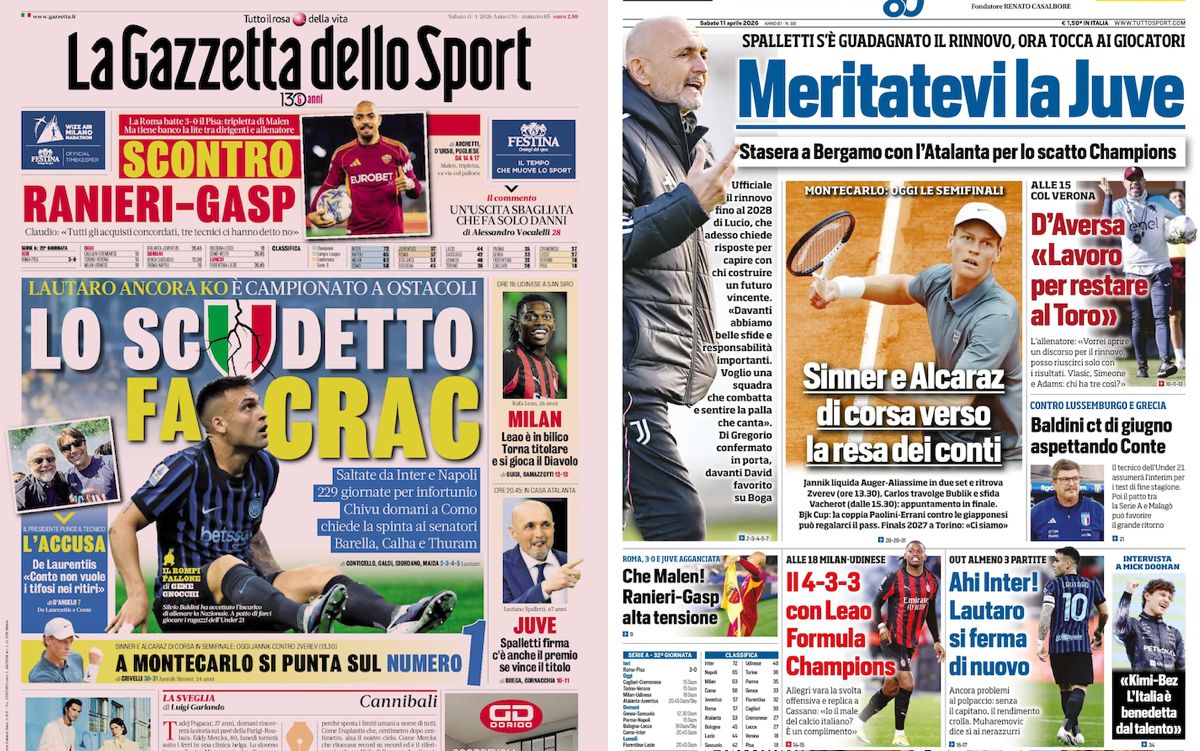
In response to the performance crisis, AC Milan’s leadership is implementing significant operational adjustments. Manager Stefano Pioli acknowledged “difficult days” following recent results, stating that a failure to manage the situation could lead to “disaster.” This rhetoric underscores the high-stakes environment where managerial decisions are under intense scrutiny. A proposed tactical adjustment to a 4-3-3 system represents a strategic attempt to address the team’s recent scoring crisis, which saw them fail to find the net in three of the last six matches. This change aims to unlock new performance leverage from existing resources and regain control over match outcomes.
Stakeholder Pressure and Competitive Dynamics
The media landscape reflects heightened stakeholder expectations. Newspaper headlines emphasize the “magnitude of the game” and the internal pressure on key players. The focus on specific tactical changes and individual player performance indicates a high level of public scrutiny on the club’s strategic response to adversity. This media pressure, coupled with intense competition from rivals like Juventus and Roma, creates a feedback loop that amplifies the consequences of each match. The scrutiny extends to individual players, with media reports highlighting that key players are under pressure, potentially impacting performance and morale during this period of instability.
Long-Term Strategic Implications and Future Outlook
The current volatility suggests a deeper structural issue beyond isolated poor performances. The contrast between previous stability and current regression indicates a potential breakdown in risk management and operational consistency. The club’s ability to recover from this slump will determine whether the downturn is a temporary blip or a signal of a more fundamental strategic challenge in maintaining competitive advantage. The outcome of upcoming fixtures against rivals like Udinese will not only determine the club’s final league position but also influence future recruitment, player contracts, and overall institutional strategy. The high-stakes nature of the current situation underscores the importance of strategic planning and operational resilience in modern football.
Photo by jorono on Pixabay.