Strategic Leadership Transition at Kroger
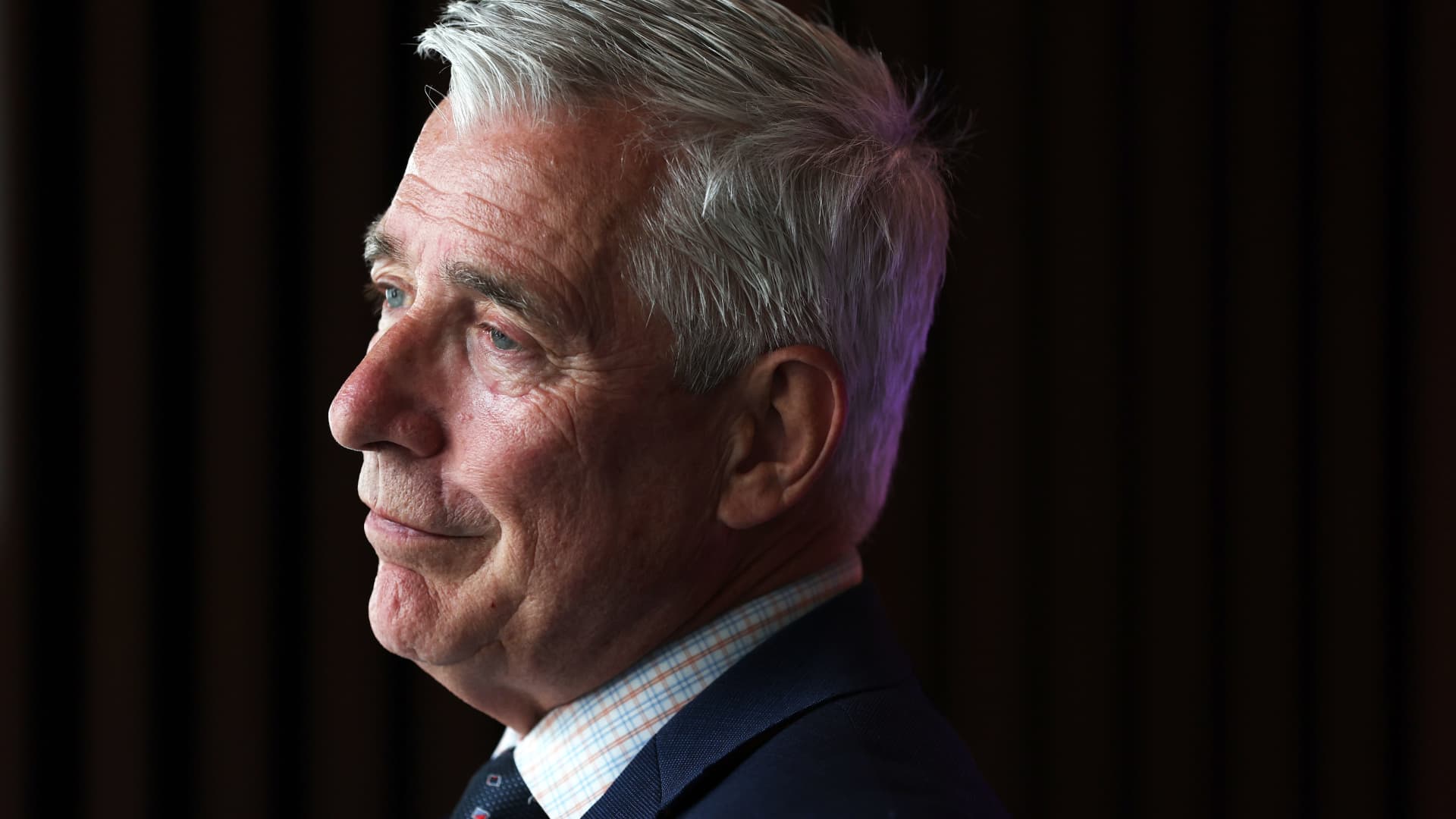
The United States retail landscape has seen a significant shift as Kroger, a primary entity in the grocery sector, officially appointed Greg Foran as its new chief executive officer. This decision comes as the conclusion of a rigorous and extensive search process that spanned an entire calendar year.
The appointment marks a pivotal moment for the organization, which had been seeking a permanent successor following the departure of its previous leader. Greg Foran joins the company with a professional background rooted in high-level executive experience within the same industry.
The Institutional Significance of Greg Foran
Foran is recognized for his previous tenure as an executive at Walmart, a primary competitor in the retail and grocery markets. This transition of leadership talent between two of the largest players in the sector underscores the strategic value of operational expertise in large-scale supply chain and retail management.
The move suggests an institutional focus on leveraging proven industry frameworks to navigate the complexities of modern grocery distribution. By selecting an executive with deep roots in a competing organizational structure, the board of directors signals a commitment to structural refinement and competitive positioning.
The Timeline of Executive Succession
The leadership vacancy at the top of the organization followed the ouster of Rodney McMullen last March. The departure of a long-standing chief executive often necessitates a period of institutional reflection and a comprehensive vetting process for potential successors.
The twelve-month search period reflects the administrative diligence required to identify a candidate capable of managing the vast operational demands of a national grocery giant. During this interim, the organization remained focused on maintaining stability while the board evaluated internal and external leadership candidates.
Structural Impacts of a CEO Search
A year-long executive search is a significant administrative undertaking for any publicly traded corporation. It involves internal committees, third-party consultants, and a deep analysis of the organization’s long-term strategic goals.
The duration of this search highlights the importance of institutional continuity and the need for a leadership profile that aligns with the current market environment. The conclusion of this process provides the organization with a new administrative direction and a clear hierarchy for its future operations.
Media and Market Context
The announcement was widely reported through financial media channels, including reports from Yahoo Finance and other market observers. These reports emphasize the role of executive leadership in driving institutional value and maintaining investor confidence during periods of change.
The reporting also noted parallel movements in the broader market, such as the performance of companies like Once Upon A Farm. While separate from the Kroger appointment, these market fluctuations illustrate the dynamic nature of the consumer goods and retail sectors.
Analytical Synthesis of Corporate Governance
Leadership transitions at this scale serve as a case study in corporate governance and the mechanisms of executive succession. The replacement of an ousted official with an industry veteran from a major competitor is a deliberate institutional strategy.
This move is intended to stabilize the organizational framework and provide a fresh perspective on operational challenges. The success of such a transition often depends on the integration of existing corporate culture with new administrative priorities introduced by the incoming chief executive.
Policy and Operational Frameworks
As the new chief executive, Foran will be responsible for overseeing the administrative and policy-driven aspects of a massive retail network. This includes the management of labor relations, supply chain logistics, and the implementation of corporate strategy at thousands of physical locations.
The institutional knowledge brought from a background at Walmart provides a template for managing large-scale operations and navigating the logistical hurdles of the United States grocery market. This expertise is critical for maintaining the efficiency and competitive edge of a major market participant.
Long-Term Institutional Continuity
The appointment of Foran is not merely a personnel change but a strategic alignment of the organization’s future with established industry standards. The transition from the McMullen era to new leadership marks a definitive chapter in the company’s history.
Observers of the retail industry note that such transitions are essential for periodic renewal and adaptation to changing economic conditions. The formal naming of a new CEO brings an end to a period of administrative uncertainty and sets the stage for the next phase of corporate development.
The Role of Executive Background
The professional history of a chief executive often dictates the operational focus of the company they lead. Foran’s background suggests an emphasis on scale, efficiency, and market share, given the institutional characteristics of his previous employer.
This alignment between executive experience and organizational needs is a fundamental aspect of modern corporate strategy. The ability to translate successful frameworks from one retail giant to another is a highly valued trait in the executive recruitment process.
Final Administrative Observations
The formal transition to new leadership is expected to influence the administrative culture of the organization in the coming periods. This shift is a standard component of corporate evolution within the competitive landscape of the United States economy.
The conclusion of the search for a new CEO marks the beginning of a new administrative tenure that will be defined by its ability to navigate the structural challenges of the grocery industry. The focus now shifts to the implementation of the new executive’s vision and the stabilization of the organizational hierarchy.