
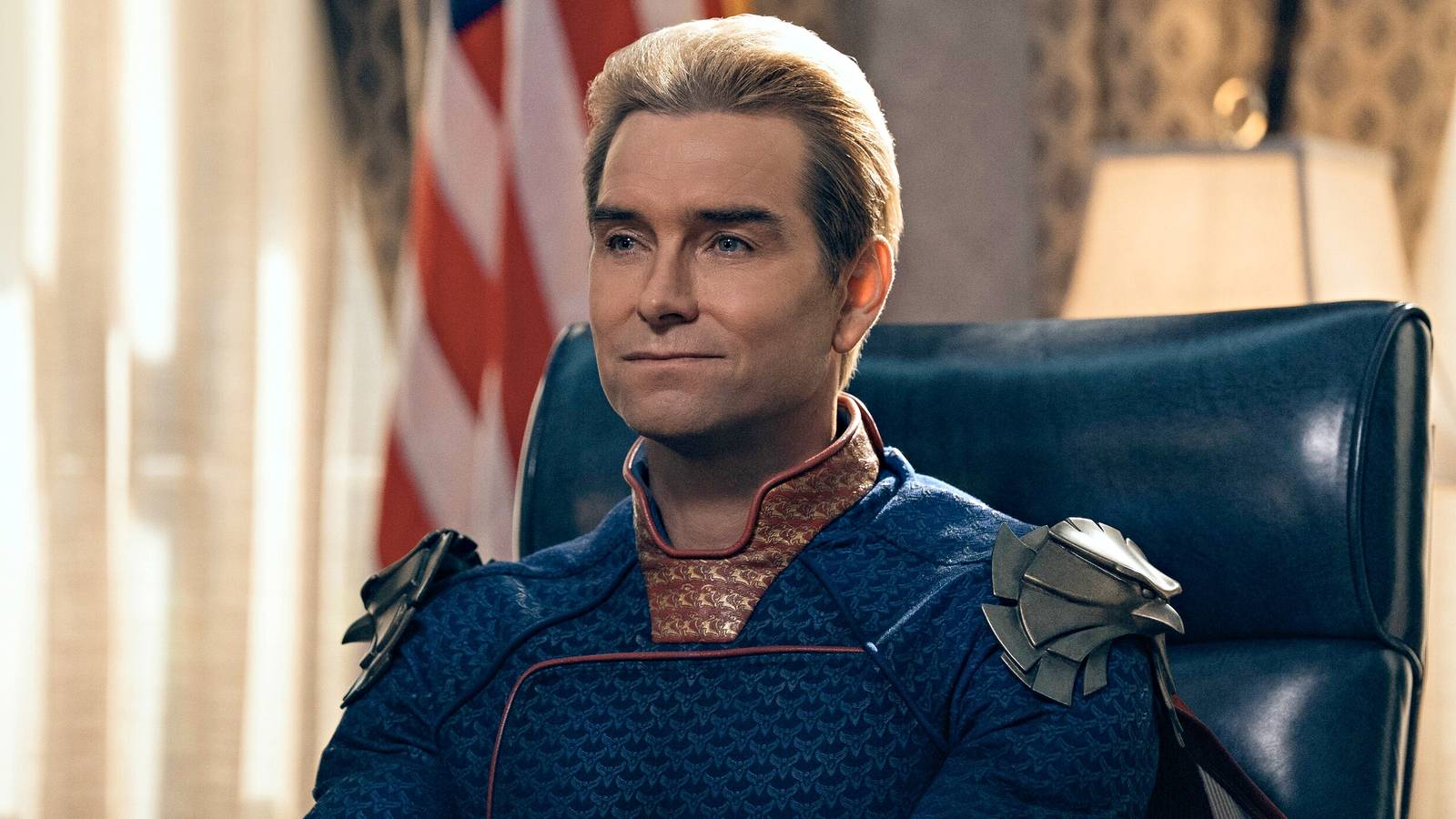
Recent reports confirming the recasting of Homelander for an interactive release delineate the operational boundary separating flagship subscription video on demand (SVOD) assets from peripheral licensing extensions. Industry data confirms this voice replacement does not alter the core television series; it applies exclusively to third-party video game integrations.
This contractual bifurcation illustrates how streaming distributors exploit intellectual property across commercial tiers. While mainline television assets require strict actor continuity to preserve viewer equity, interactive extensions isolate vocal performance, likeness rights, and digital rendering into distinct contractual silos to bypass scheduling bottlenecks and licensing constraints.
Contractual Bifurcation Between Live-Action and Interactive Media
The muted initial public reaction to Homelander’s gaming voice replacement reflects diverging engagement dynamics between episodic television audiences and interactive software users. Visual continuity remains the primary anchor of character identity in high-budget television. Conversely, video game licensing allows entertainment conglomerates to monetize character IP in external software ecosystems without disrupting principal filming schedules.
For Prime Video, isolating the recast talent to secondary platforms preserves core narrative equity. Segregating interactive voice casting from the television pipeline enables the distributor to extract third-party licensing revenue while safeguarding brand integrity across its primary multi-year broadcast investments.
Release Cadence and Subscriber Retention Metrics
Since premiering in 2019, The Boys departed from prevailing SVOD conventions by maintaining an almost annual release schedule over a seven-year operating span, navigating disruptions that included the onset of the COVID-19 pandemic less than a year into its lifecycle. This consistent cadence countered the multi-year production gaps standard across premium streaming platforms.
Predictable delivery schedules mitigate subscriber churn by sustaining compounding engagement. The fifth and final season, which concluded the multi-year Butcher-Homelander conflict earlier this year with millions of weekly viewers, validated this operational discipline. Maintaining rigorous delivery pipelines anchored audience retention through the conclusion of the core narrative arc.
Franchise Recalibration and Risk-Mitigated Prequel Architecture
Following the conclusion of a flagship narrative, streaming platforms must evaluate secondary spin-off viability against strict capital efficiency benchmarks. Prime Video initially sought to broaden this universe with Gen V; however, terminating the project after a single season demonstrates the volatility of contemporary spin-off development and leaves the future deployment of its surviving characters unresolved.
Single-season cancellations reflect stringent return-on-investment hurdles enforced on mature IP portfolios. When auxiliary concepts demonstrate insufficient viewership velocity, capital is redirected toward higher-conviction assets. The discontinuation of Gen V marks a tactical redeployment rather than a retreat from the broader fictional universe.
Portfolio Realignment via ‘Vought Rising’
Production strategy has pivoted from contemporary extensions toward historical prequel architecture with Vought Rising. The upcoming series stars Jensen Ackles reprising his role as Soldier Boy alongside Aya Cash as Clara Vought, detailing the corporate origin prior to her emergence as Stormfront. Anchoring expansion to established, high-affinity legacy characters serves as a calculated hedge against the audience attrition that compromised Gen V.
Prequel frameworks bypass the narrative finality of the flagship finale, opening creative continuity without overlapping existing storylines. By deploying verified talent to explore foundational lore, studio leadership seeks to stabilize long-term viewer engagement and establish a sustainable multi-series platform beyond the primary narrative rivalry.
Asset Stewardship Across Multi-Platform Portfolios
The containment of the Homelander recast, paired with the structural realignments across television development, demonstrates the systematic management required of modern media assets. Peripheral gaming adjustments illustrate operational flexibility that insulates the core franchise from localized production compromises.
As Prime Video concludes its decade-defining series, long-term franchise durability shifts entirely to the commercial viability of Vought Rising. Maintaining relevance without the weekly dynamic of the flagship series requires strict structural separation between core streaming continuity and ancillary interactive licensing.

Photo by winvcf on Pixabay.