
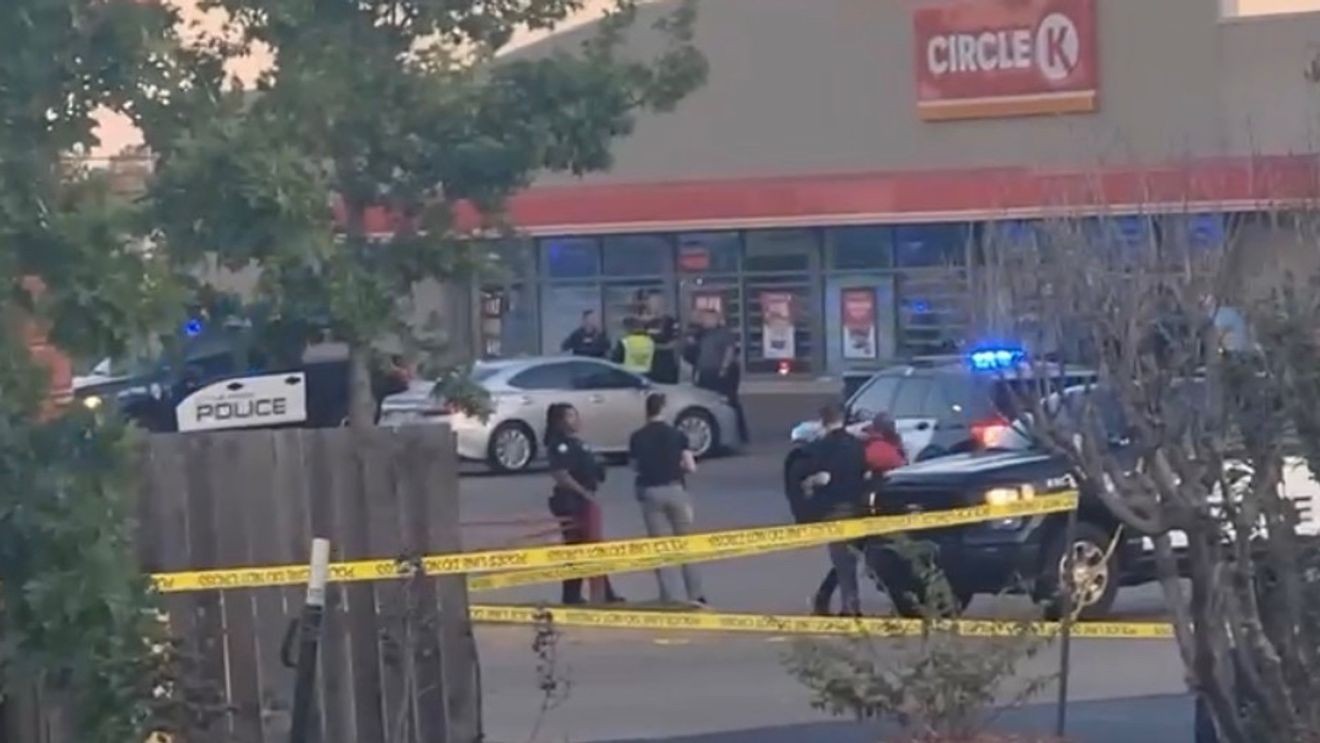
Fatal Shooting at Colonel Glenn and South University Intersection
A violent incident at a Little Rock convenience store on Thursday evening resulted in two fatalities and three individuals hospitalized in critical condition. Little Rock Police Department units responded around 5:15 p.m. to reports of an active shooting at the Circle K located at Colonel Glenn Road and South University Avenue. Initial reports confirmed multiple casualties within the commercial area.
First responders secured the scene, triaged survivors, and established a crime scene perimeter. Police confirmed two individuals died from their injuries at the scene. The three surviving victims were transported to area hospitals under life-support protocols and remain in critical condition.
Law enforcement initiated a broad investigation, collecting forensic evidence from the store, fuel pumps, and surrounding areas. Multiple suspects were taken into custody shortly after the incident. Their identities and specific charges are being withheld pending further investigation and prosecutorial review.
Emergency Medical Response and Trauma Care
The influx of critically injured patients from a single event places significant strain on regional emergency medical services. In mass casualty incidents, pre-hospital care focuses on rapid stabilization and transport to facilities equipped for complex trauma interventions. Managing three patients in critical condition simultaneously requires extensive coordination between emergency medical personnel and hospital surgical teams.
Trauma centers must rapidly mobilize surgical teams and resources to address life-threatening injuries. Simultaneous critical cases necessitate recalibrating surgical suite priorities and intensive care unit (ICU) bed allocations. Sustaining the stability of three severely wounded individuals demands substantial clinical infrastructure and specialized critical care staff.
First responders balance immediate victim care with the critical demands of an active crime scene. Field personnel must document injuries and preserve evidence without compromising life-saving medical treatment. Effective coordination between on-scene medical care and hospital stabilization is fundamental to mass casualty incident management.
Investigative Procedures and Suspect Custody
The apprehension of multiple suspects early in the investigation alters procedural dynamics. Standard protocol mandates separating all persons of interest to prevent narrative collusion or testimonial contamination. Each individual will undergo independent interrogation to corroborate statements with physical evidence gathered at the scene.
Ballistics analysis will be crucial in determining the sequence and source of gunfire. Investigators are cataloging shell casings, impact points, and residue to reconstruct the event’s spatial and temporal dynamics. This data is vital for establishing legal culpability and potential charges, ranging from capital murder to aggravated assault.
Custodial detention before formal charges requires strict adherence to constitutional timelines and judicial oversight. Detectives must collaborate with prosecuting attorneys to establish probable cause before statutory detention limits expire. Until formal charges are filed, detained individuals retain procedural protections against public declarations of guilt.
Surveillance Footage and Evidence Integrity
The Circle K’s surveillance systems are expected to provide critical chronological data regarding the incident’s progression. Investigators are prioritizing the secure collection of footage from all available cameras covering interior and exterior areas, including fuel pumps and parking lots.
Establishing an uncompromised chain of custody for all digital evidence, including video recordings, is essential for admissibility in court. Footage must be imaged, authenticated, and stored securely to prevent spoliation claims. This visual evidence aids in verifying witness accounts, identifying weapon types, and mapping participant movements.
External sources, such as dashcam footage from passing vehicles and surveillance from adjacent businesses, can supplement the official investigation. Synthesizing these disparate data streams helps create a comprehensive timeline leading up to the incident. Rigorous evidence consolidation protects the integrity of the investigation as it moves toward judicial proceedings.
Vulnerabilities of Retail Fuel Stations
Convenience stores and fuel stations located along major arterial roads are inherently vulnerable points within urban retail landscapes. Their open-access, high-traffic model, designed for maximum customer throughput, also exposes them to public safety risks and interpersonal violence.
Operators and corporate managers face ongoing challenges in balancing operational accessibility with physical site security measures. Investments in lighting, surveillance, and access control must be weighed against the need for rapid vehicle access and 24-hour service. Violent incidents on commercial property can lead to scrutiny regarding premises liability and the adequacy of existing security protocols.
Insurance carriers assess risk based on geographic crime data and property vulnerabilities. Frequent violent incidents can influence operational decisions, potentially leading to increased security costs or reduced operating hours. These economic factors can impact retail density and commercial viability in transit-adjacent areas.
Municipal Leadership and Crisis Communication
High-profile violent events necessitate swift and measured responses from municipal leadership. Little Rock Mayor Frank Scott Jr. was present at the scene and addressed the media, emphasizing community concerns and institutional stability. Executive presence at an incident scene reinforces command structure and civil-government coordination.
In his statement, Mayor Scott expressed grief and frustration, highlighting his personal prayer with a grieving widow at the location. He conveyed solidarity with the victims’ families and expressed gratitude to first responders and law enforcement for their actions in securing the site and apprehending suspects.
Crisis communication from city officials plays a vital role in stabilizing a community experiencing public safety strains. Leaders must balance validating public distress with offering reassurance regarding the safety of public spaces. Transparent communication about operational responses helps mitigate panic and maintains public trust in the administration’s ability to ensure order.
Legal Frameworks and Due Process
The judicial handling of a case involving multiple fatalities and severe injuries requires strict adherence to legal procedures. Given the location, potential charges could include capital murder, aggravated assault, and weapons offenses. However, until formal charges are filed, legal principles dictate that detention remains an investigatory phase.
Custodial interrogations must scrupulously follow procedural rights protections to prevent the suppression of evidence. Defense attorneys will examine the circumstances of initial detentions, questioning whether probable cause was established at the moment of apprehension. Preserving the integrity of evidence, both physical and testimonial, is crucial for preventing procedural challenges later in the prosecution.
Statutory victim assistance frameworks address the rights of surviving victims and their families. These mechanisms provide avenues for case updates, psychological support, and notification regarding suspect status changes. Balancing the due process rights of those in custody with the administrative obligations owed to affected families is fundamental to criminal justice administration.
Broader Implications for Urban Corridors
The repercussions of a shooting at a key commercial intersection extend beyond the immediate incident site. The Colonel Glenn and South University intersection is a vital commercial and transit hub. Such violent events can significantly impact public perception of safety in urban transit corridors, often leading to demands for increased law enforcement presence.
Law enforcement agencies often respond to such incidents by adjusting patrol patterns and deploying visible interdiction teams along affected routes. While increased enforcement can deter immediate secondary events, long-term stabilization requires sustained collaboration among code enforcement, property owners, and community intervention programs. Resource allocation must be balanced against departmental staffing and overall citywide coverage needs.
As medical professionals continue life-saving efforts for the critically injured, the full human and legal impact of the incident is still unfolding. The ongoing police investigation will determine how findings translate into formal indictments. For Little Rock, this event underscores the complex challenges in managing acute public violence within essential urban commercial centers.

Photo by dartperle on Pixabay.