The Anatomy of Comic Autonomy: Norm Macdonald’s Institutional Tightrope
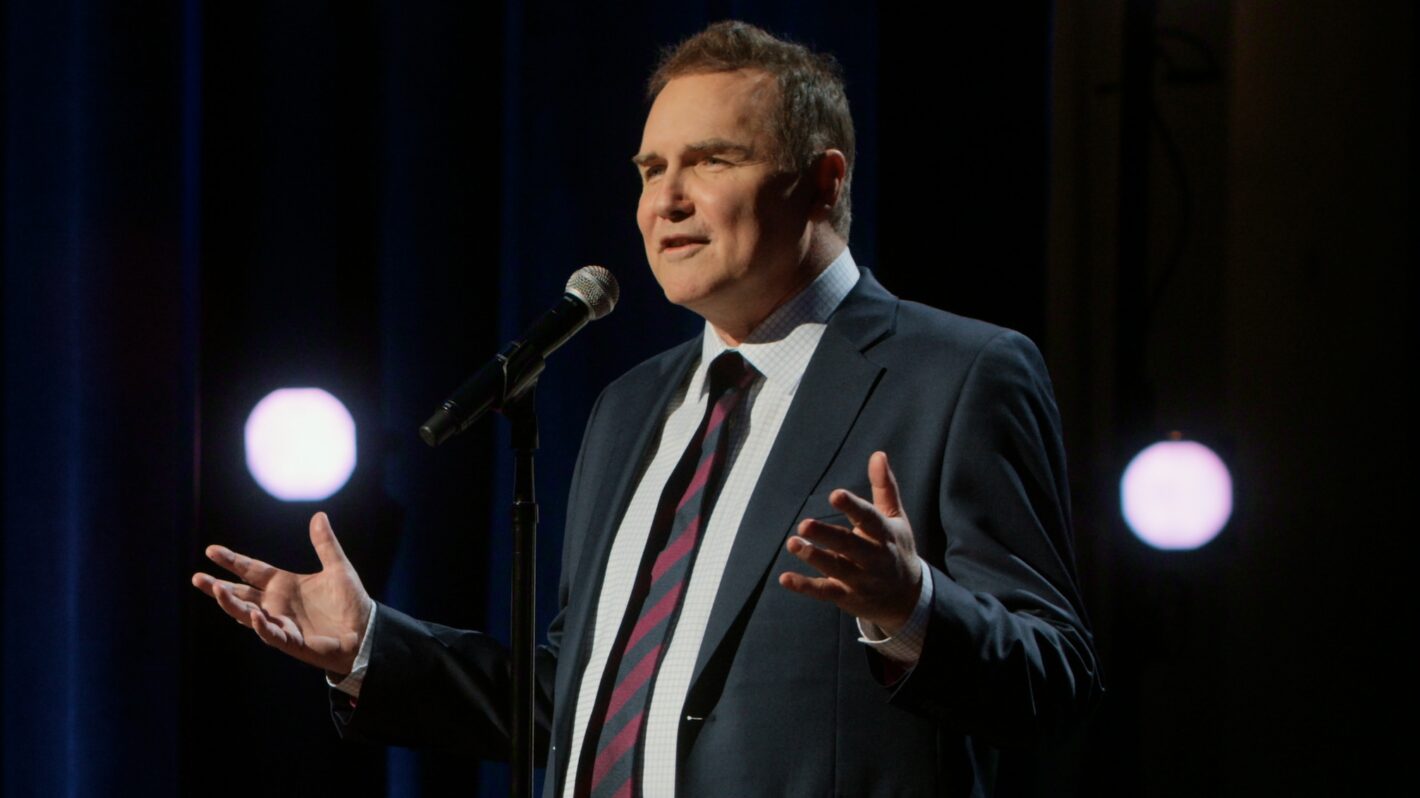
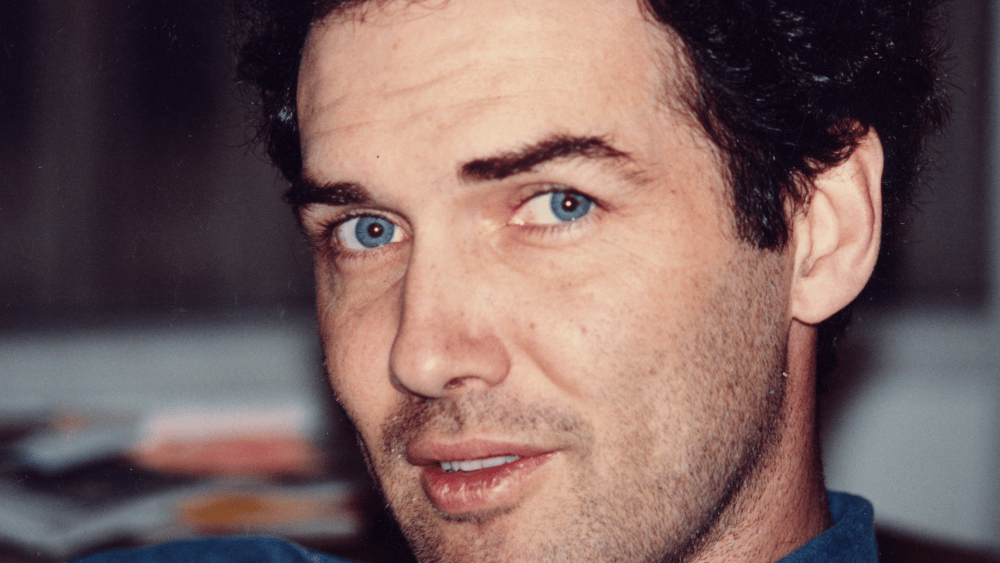
Norm Macdonald consistently challenged the structural integrity of American television comedy, deliberately testing institutional boundaries. Judd Apatow’s documentary, “Norm: The Tale of Norm Macdonald” on Netflix, provides a critical lens through which to examine the inherent tension between creative subversion and broadcast network governance. Macdonald, who passed away on September 14, 2021, at 61 after a private battle with cancer, occupied a uniquely anomalous position within corporate entertainment ecosystems.
Recognized as an archetype of the “comic’s comic,” Macdonald commanded profound peer reverence while maintaining significant mainstream commercial visibility. His contemporaries in this highly regarded echelon included figures like Gilbert Gottfried, Larry David, Doug Stanhope, and Maria Bamford. Apatow’s retrospective highlights Macdonald’s distinctive dual operational footprint: balancing purist stand-up metaphysics with broad network market penetration.
This dynamic was evident from his national television debut on May 9, 1990, on “Late Night with David Letterman.” Here, Macdonald showcased a fully realized comedic cadence characterized by a halting, deadpan delivery. His material centered on extreme narrative misdirection, involving simulated domestic abuse orchestrated by the devil, culminating in an anticlimactic interpersonal practical joke. This segment signaled an artist willing to risk audience alienation for an uncompromising conceptual resolution.
Institutional Friction: Macdonald at the Weekend Update Desk
The most pronounced institutional friction in Macdonald’s commercial career materialized during his tenure as the anchor of “Weekend Update” on “Saturday Night Live.” Broadcast television in the 1990s operated under strict demographic aggregate metrics and profound commercial sponsorship dependencies. Macdonald actively countered these imperatives by introducing material designed to divide audience consensus, creating direct operational friction with programming leadership.
Macdonald’s systematic satirical focus on the O.J. Simpson criminal trial represented a direct challenge to network executive management. Following Simpson’s legal acquittal, Macdonald infamously stated on air that California had formally legalized homicide, delivering further remarks critical of the outcome. This posture triggered direct institutional backlash, culminating in Macdonald’s removal from the “Weekend Update” anchor position.
This dismissal serves as a case study in corporate risk containment within legacy media. Macdonald consistently prioritized comedic conviction over corporate protocol, exposing the inherent friction between individual artistic talent and executive control. His willingness to sacrifice high-profile placement established a significant precedent regarding the limits of editorial independence in broadcast formats.
The Economics of the Uncompromising Comedian: Balancing Risk and Revenue
Within entertainment market structures, high-visibility talent typically converges toward audience pacification to protect syndication rights and commercial underwriting. Macdonald systematically resisted this trajectory, maintaining a performance philosophy defined by boundary-pushing and audience confrontation. His methodology frequently positioned viewers between immediate laughter and visceral discomfort, directly challenging the standard operational metrics of television entertainment.
This friction repeatedly jeopardized his commercial standing, leading to canceled television appearances and executive retaliation. In an industry driven by advertiser security, Macdonald represented an operational vulnerability to broadcast executives who prioritized predictable viewer engagement over polarizing comedic experimentation. Despite these risks, Macdonald cultivated a dedicated demographic base that shielded him from total commercial marginalization.
The economic tension between network compliance and artistic independence remains a central theme within Apatow’s documentary. Macdonald’s career trajectory underscores the inherent trade-offs in challenging corporate orthodoxy. While risk mitigation strategies often enforce creative conformity, Macdonald established an alternative model that preserved creative purity at the expense of corporate security.
Documentary Synthesis: Reframing Macdonald’s Legacy
Apatow’s documentary functions as an institutional autopsy of a career defined by deliberate alienation and profound peer admiration. Rather than offering a standard biographical summary, the Netflix project critically investigates the complex legacy of an artist operating within structural media constraints. The documentary contextualizes Macdonald’s controversial material, addressing everything from legal controversies to cultural debates surrounding the #MeToo movement.
By revisiting Macdonald’s boundary-pushing output, the production examines how institutional tolerance for non-conformity has shifted across successive decades. Macdonald’s steadfast resistance to performative industry norms rendered him an outlier in contemporary comedy ecosystems. The documentary frames his legacy not through personal tragedy, but through his relentless defense of comedic sovereignty and intellectual honesty.
The documentary demonstrates how archival materials can redefine cultural memory within digital distribution spaces. Netflix’s platform allows Macdonald’s extensive catalog to be re-evaluated by contemporary standards while preserving its original disruptive intent. This archival reassessment provides a crucial operational blueprint for studying the survival of non-conformist art within corporate entertainment systems.
The Mechanics of Deadpan Performance and Strategic Ambiguity
Macdonald’s performance strategy relied heavily on syntactic precision and calibrated pacing. His signature deadpan cadence disrupted traditional expectations of comedic delivery by destabilizing narrative progression. By withholding conventional emotional cues, he forced audiences to evaluate the underlying absurdity of each premise independently.
This technical execution proved particularly potent during live broadcast interventions. In late-night panel appearances, Macdonald consistently subverted standard promotional conventions, rejecting scripted marketing exchanges in favor of unpredictable comedic detours. This strategy exposed the artificiality of celebrity promotion, creating significant tension between studio hosts and broadcast standards executives.
The persistence of Macdonald’s cultural footprint underscores how calculated stylistic ambiguity can counter commercial obsolescence. Where conventional comedic formats date as cultural references evolve, Macdonald’s foundational structural mechanics retain their disruptive utility. His approach demonstrated that deliberate deadpan pacing could function as an enduring defense against creative standardization.
Systemic Legacy: Macdonald’s Influence on Modern Satire
The institutional lessons of Macdonald’s career continue to resonate across contemporary media distribution networks. The migration of comedy from centralized broadcast networks to fragmented subscription streaming services has fundamentally altered institutional risk appetites. Nevertheless, the systemic vulnerabilities Macdonald exposed—including advertiser leverage and executive risk aversion—remain central challenges in contemporary digital production.
Macdonald’s legacy serves as an operational benchmark for examining creative autonomy under corporate oversight. His willingness to accept career repercussions rather than compromise his comedic output challenged established entertainment industry practices. His trajectory confirms that while corporate institutions prioritize stability, foundational comedic influence often stems from deliberate non-compliance.
Ultimately, “Norm: The Tale of Norm Macdonald” documents the career of an individual who successfully navigated corporate friction without compromising his creative sovereignty. By tracing his path from early network appearances to late-career critical acclaim, the production documents a unique chapter in media history. Macdonald remains a singular figure whose resistance to institutional conformity continues to profoundly influence comedic philosophy and practice.