Telemetry Confirms Endemic Lonestar Deficits
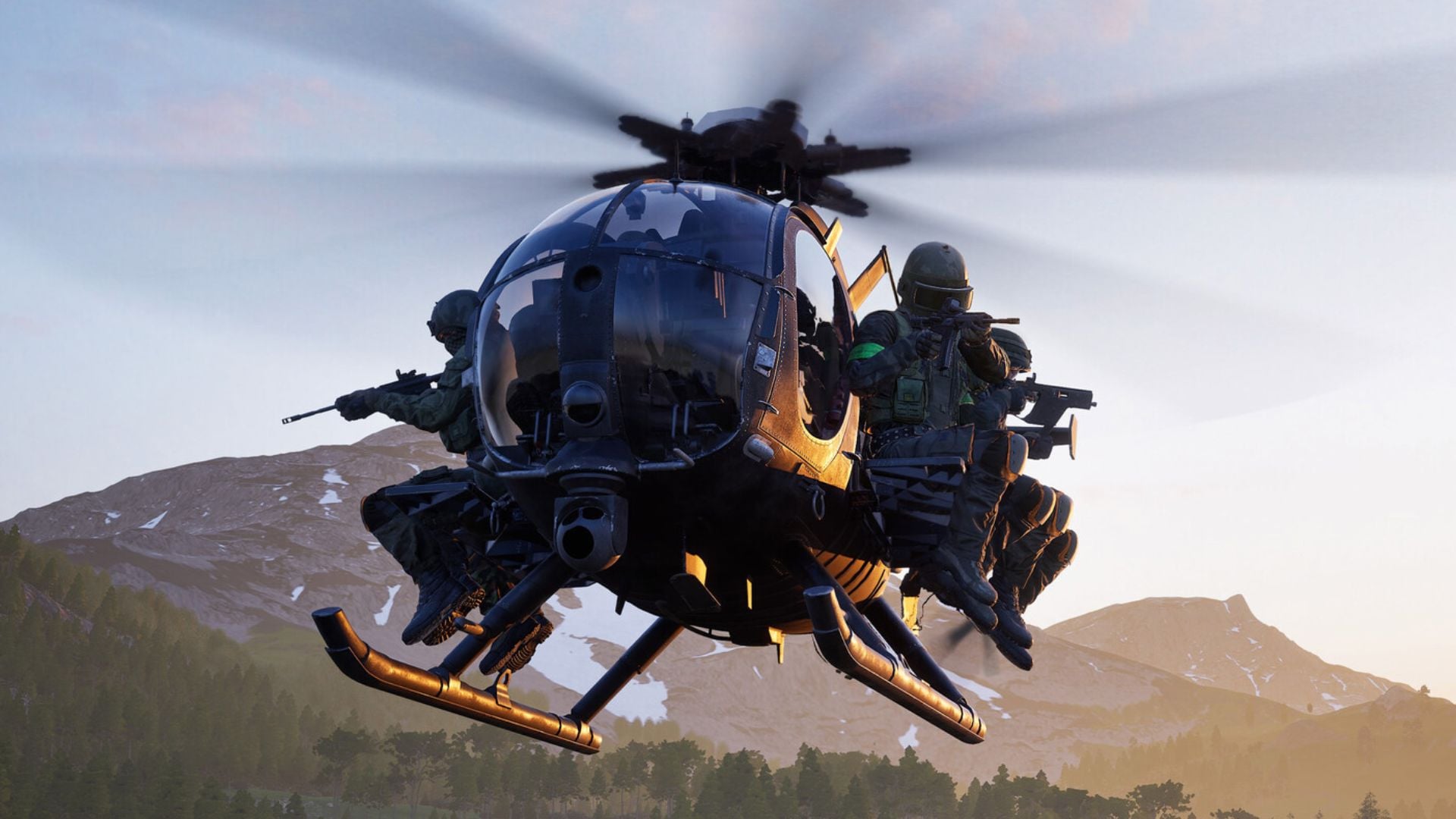
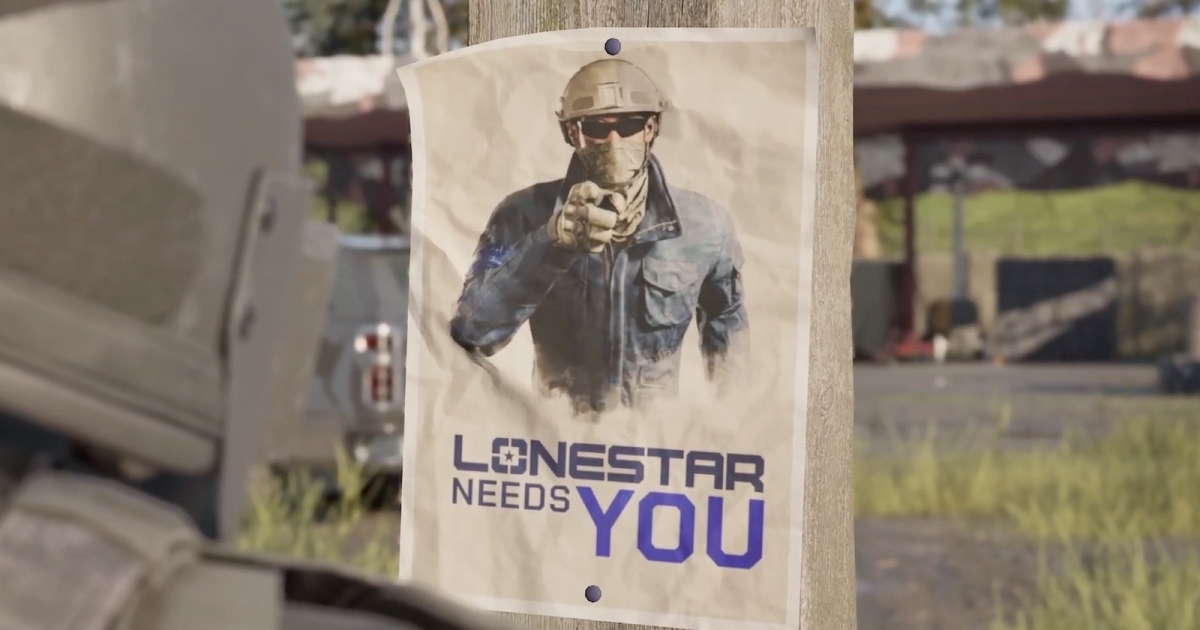
Bulkhead has outlined extensive balance revisions for Wardogs Season 2 to address systemic underperformance by the Lonestar faction (colloquially designated the blue team). Studio telemetry reveals that Lonestar has lagged behind opposing factions since the game’s early September launch. Co-founder Howard Philpott and Executive Producer Joe Brammer acknowledged that while the faction has recovered from an alpha-stage win rate of roughly 10 percent to a current 20 percent baseline, it remains far below competitive equilibrium.
This performance gap accelerated an adverse behavioral feedback loop across the player base. A continuous stream of circulated media featuring faction logistical missteps and base-level vehicle crashes created a widespread perception of mechanical incompetence. Consequently, victory-oriented players systematically opted into the red and green factions, leaving Lonestar disproportionately staffed by novice participants or those intentionally seeking an underdog handicap. As Philpott noted, this voluntary player sorting deepened the talent deficit across match instances.
Spatial Re-Engineering of the Bakurani Theater
External evaluations, including reporting from PC Gamer, linked Lonestar’s operational slide to structural factors such as low-contrast camouflage profiles and acute geographic vulnerabilities. To neutralize these physical liabilities, Bulkhead has implemented map-wide architectural changes centered on the Bakurani operational theater.
The engineering scope involves a complete rebuild of all faction bases on Bakurani alongside revised spawn architecture for all three competing teams. By standardizing ingress corridors, fortifying perimeter defenses, and equalizing traversal distances from deployment zones, the studio aims to eliminate early-stage base containment. The physical parity measures ensure that spawn egress offers identical tactical cover regardless of faction alignment, preventing rival teams from capitalizing on geographic bottlenecks.
Mechanical Recalibration and Sandbox Expansion
Scheduled for deployment on October 15, 2026, Season 2 pairs geographic corrections with systemic combat rebalancing. Bulkhead is executing universal adjustments across core parameters, including weapon damage falloff curves, armor mitigation values, and suppression mechanics.
The tactical sandbox expands with four new firearms—specifically the TCX-SPR 7.62x39mm assault rifle, the PP-19 Bizon 9x19mm submachine gun, and the Evo-3 Ultra—supported by four utility vehicles, an array of constructible field defenses, and a dynamic rain weather preset that suppresses engagement visibility. Concurrently, systemic macro-adjustments will alter role progression paths, baseline vendor pricing, and mission reward disbursements, recalibrating the operational economy governing prolonged frontline engagements.
Strategic Implications for Live-Service Balance
The impending launch serves as a critical benchmark for Bulkhead’s live-service balance methodology. Prolonged faction asymmetry poses severe risks to player retention, and telemetry trends indicate that social perceptions in asymmetrical multiplayer ecosystems do not self-correct without code-level intervention. By coupling spatial homogenization on Bakurani with core combat and economic realignments, Season 2 represents an empirical effort to collapse the performance divide and restore competitive viability across the three-faction ecosystem.