Meteorological Outlook: Intensifying Risk in the Southern Gulf
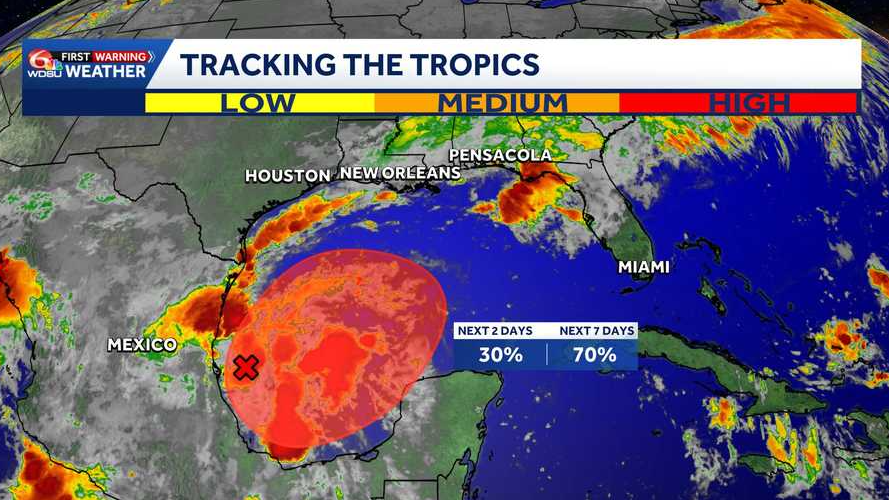
The National Hurricane Center (NHC) has elevated the probability of tropical formation in the southwestern Gulf of Mexico to 70% over the next seven days. This disturbance, currently characterized by disorganized convective activity, is expected to coalesce into a tropical depression by mid-to-late week. This development is significant as it occurs during the quietest opening to an Atlantic hurricane season since the onset of the satellite era in 1966.
The system’s trajectory remains fluid; an initial eastward drift is projected to be followed by a northward turn. This path is complicated by a stalling cold front over Central Florida, which may dictate the storm’s eventual landfall and intensity. Atmospheric variables, including marginal wind shear and high sea surface temperatures, provide a moderately conducive environment for cyclogenesis.
Socio-Economic Vulnerability and Infrastructure Exposure
The transition from a disorganized low-pressure area to a tropical entity necessitates an immediate shift in regional preparedness. For Louisiana and Mississippi, the primary threat is hydrological; intense rainfall and flash flooding are anticipated regardless of whether the system achieves named storm status. Coastal infrastructure and emergency management must recalibrate strategies to account for the potential compounding effects of saturated soils and drainage limitations.
The economic stakes are particularly high for the energy and maritime sectors. The Bay of Campeche and the wider Gulf are critical hubs for offshore oil and gas production. Operational disruptions here often trigger volatility in global energy markets and supply chain delays. Similarly, maritime logistics and port operations face potential closures, affecting trade flows and commodity pricing.
Strategic Risk Management and Institutional Response
This emerging threat challenges the complacency inherent in a low-activity season. The insurance and reinsurance sectors are closely monitoring the system’s track to assess potential property damage and agricultural losses. For the agricultural industry, excessive moisture poses a risk to harvest schedules and crop yields, with secondary effects on commodity market stability.
Federal and state agencies are currently coordinating resource positioning. The 70% development probability serves as a catalyst for institutional action, ensuring that disaster mitigation frameworks are operational. Effective risk communication remains paramount; agencies must balance the high probability of development with the existing uncertainty in track and intensity to facilitate informed decision-making across the public and private sectors.