Nor’easter Exposes Deep-Seated Infrastructure Deficiencies Along East Coast
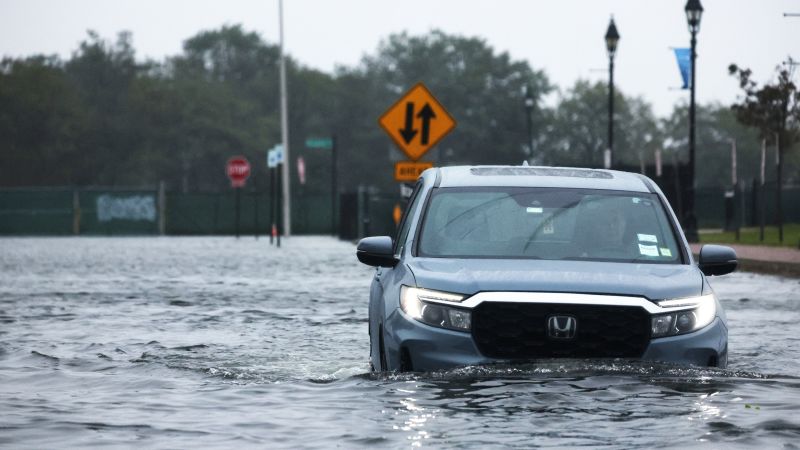
A potent early-season nor’easter has starkly exposed significant vulnerabilities within East Coast infrastructure. The storm’s intensity, marked by driving rain, gale-force winds, and massive wave action, triggered widespread coastal flooding and substantial power outages. In areas like Atlantic City, New Jersey, water levels surged to heights not seen since Superstorm Sandy, directly revealing the limitations of existing flood defenses and the strain on emergency response capacities.
The cascading impacts of the storm underscore a critical need for enhanced resilience planning across multiple sectors. Toppled trees on railway lines, for instance, caused significant delays on NJ Transit’s North Jersey Coast Line, demonstrating the operational and financial exposure of public transit to extreme weather. Post-storm debris clearance and infrastructure inspections are labor and capital intensive, a recurring challenge for transit authorities.
Coastal communities, such as those in North Carolina’s Outer Banks, faced severe isolation due to highway damage, necessitating emergency ferry services. This highlights the fragility of critical access routes in vulnerable coastal zones and the strategic imperative for diversified transportation solutions and reinforced infrastructure to maintain connectivity during and after extreme weather events.
Widespread power outages affecting tens of thousands of customers reveal the energy grid’s susceptibility to high winds and storm impacts. This recurring vulnerability disrupts daily life and imposes significant economic costs on businesses and households, prompting re-evaluation of grid hardening strategies and distributed energy resource integration.
Disruptions to air travel represent another layer of systemic exposure. The interconnectedness of transportation networks means severe weather in one region can cause ripple effects on national travel and logistics, impacting supply chains and business operations far beyond the immediate storm zone.
The storm’s meteorological characteristics, including its sustained strength and organization over the Atlantic as observed by NOAA GOES-19, amplified the physical forces exerted on coastal infrastructure, acting as a severe stress test for systems designed for less extreme conditions.
The surge in Atlantic City’s water levels, exceeding those of Superstorm Sandy, is a stark indicator of evolving environmental pressures. This comparison challenges current planning assumptions and necessitates a forward-looking approach to infrastructure investment and adaptation strategies to meet future benchmarks.
Evacuations and rescues in Jersey Shore neighborhoods underscore the direct human and property risks of inadequate flood mitigation. The strain on emergency services during such events highlights the importance of pre-emptive measures, including robust early warning systems and accessible evacuation routes.
The prolonged period of adverse conditions, from ongoing rain to the storm’s gradual weakening, exacerbates cumulative stress on infrastructure and communities, extending economic disruption and demand for emergency resources.
Strategic implications for regional planning and infrastructure development are profound. The recurring nature of such events demands a shift from reactive repair to proactive resilience building, integrating climate projections into long-term capital investment decisions for transportation, energy, and coastal protection.
For insurance providers, increased frequency and severity of weather events translate to heightened risk exposure and potential increases in claims. This financial pressure may lead to adjustments in underwriting practices and premiums, impacting property owners and businesses in vulnerable regions.
Media coverage documenting systemic challenges, coupled with visuals of flooded streets and damaged infrastructure, reinforces public awareness of climate-related risks and can influence political will for infrastructure upgrades and policy changes.
The operational continuity of essential services like power and transportation is directly challenged. The economic leverage of reliable infrastructure is immense, and its disruption incurs significant costs affecting productivity, commerce, and public confidence.
The performance of emergency management agencies in responding to these events serves as a benchmark for future preparedness. Lessons learned from coordinating ferry services, evacuations, and debris removal can refine operational protocols and resource allocation.
The capital investment needed to upgrade aging infrastructure to withstand more frequent and intense weather events presents a significant fiscal challenge. However, the long-term economic benefits of such investments are likely to outweigh the costs of inaction and potential catastrophic losses from unmitigated risks.
The market for engineering and construction firms specializing in resilient infrastructure is poised to expand with growing demand for climate adaptation solutions. Companies offering innovative and cost-effective solutions for coastal defense, grid modernization, and transportation hardening will gain a competitive advantage.
Strategic decisions by municipalities and regional authorities following this nor’easter will shape their long-term capacity to absorb and recover from future climate shocks. Prioritizing investments in nature-based solutions alongside engineered defenses can offer a more sustainable approach to coastal protection.
Public perception of government effectiveness in disaster management is tied to infrastructure resilience and emergency response efficiency. Failures can erode public trust and create political pressure for more robust policy interventions and funding.
Maintaining robust supply chains is critical for national security and economic stability. Weather-related disruptions highlight the need for diversified logistics networks and climate-resilient infrastructure.
The energy sector’s performance in restoring power post-outage is a key resilience indicator. Investments in smart grid technologies, undergrounding power lines, and distributed generation can significantly improve recovery times and reduce storm impacts.
Competitive advantage for coastal businesses may increasingly depend on their ability to adapt to and mitigate risks from rising sea levels and extreme weather. This could drive shifts in business location, investment, and insurance coverage.
NOAA and meteorological agencies’ institutional capacity for accurate forecasting is crucial for preparedness. Continued investment in advanced modeling and observational systems is essential for improving prediction of severe weather.
Long-term strategic implications extend to national security, as critical military installations are often in vulnerable coastal areas. Ensuring their resilience is paramount for defense capabilities in a changing climate.
Financial markets will continue to price in climate risks. Investors and lenders are scrutinizing the climate resilience of companies and municipalities, influencing capital flows and borrowing costs.
The cultural shift towards climate awareness, accelerated by events like this nor’easter, can translate into political action prioritizing long-term sustainability and resilience over short-term economic considerations.
The exposure of transportation networks to weather disruptions has significant implications for commerce and mobility. Investments in multimodal systems and climate-resilient infrastructure are essential to mitigate these risks.
Communities and regions proactively investing in adaptation measures will gain a performance advantage. Those with robust flood defenses, updated building codes, and diversified economies will be better positioned to withstand and recover from future storms.
Capital movement towards green infrastructure and climate resilience projects is expected to accelerate, driven by public policy and private sector demand, creating opportunities for innovation and investment in sustainable development.
Upgrading or relocating critical infrastructure away from high-risk coastal zones will be a defining challenge, involving complex trade-offs between economic costs, social equity, and environmental considerations.
Impacts on tourism and coastal economies, reliant on stable weather and accessible shorelines, can be substantial. Repeated disruptions may lead to long-term economic decline if adaptation strategies are not effectively implemented.
The institutional framework for disaster response, including FEMA and state agencies, will continue to be tested. Streamlining processes and ensuring adequate funding are critical for effective community support.
The insurance industry’s performance in covering weather-related losses is a key economic resilience indicator. Sustained claim increases could lead to market withdrawals or premium hikes in high-risk areas, affecting coverage affordability.
Competitive dynamics among coastal municipalities will be influenced by their demonstrated climate resilience. Communities offering greater security and stability against environmental threats will gain a competitive edge.
Comprehensive coastal zone management, encompassing hard and soft infrastructure solutions, requires substantial capital. Strategic allocation prioritizing projects with the greatest impact and long-term benefits is essential.
Institutional knowledge gained from each extreme weather event is invaluable for refining future planning and response. A systematic approach to post-event analysis and knowledge transfer is critical for continuous improvement.
The performance leverage of early warning systems and public communication strategies is crucial. Effective information dissemination can significantly reduce loss of life and property damage by enabling timely evacuations and preparedness.
Inter-jurisdictional cooperation in managing shared coastal resources and responding to transboundary weather events is paramount. Coordinated efforts yield more effective outcomes than fragmented actions.
Capital investment in R&D for advanced materials and construction techniques enhancing resilience is a critical long-term strategy. Innovation can lead to more durable and cost-effective infrastructure solutions.
Institutional responsibility for land-use planning in vulnerable coastal areas is a key determinant of future risk. Stricter zoning and discouraging development in high-hazard zones are essential for long-term resilience.
The performance of renewable energy infrastructure, like offshore wind farms, during storms is a critical data point for the energy transition. Understanding their resilience and impacts is vital for future deployment strategies.
Building adaptive capacity within communities—the ability to adjust to changing conditions—is fundamental for long-term survival and prosperity in a changing climate, fostering flexibility and innovation.
The capital required for comprehensive climate adaptation is substantial, but the cost of inaction, measured in economic losses, human suffering, and environmental degradation, is far greater. This nor’easter serves as a potent reminder of the urgent need for sustained investment and strategic planning.