Market Liquidity and Slate Architecture
The NFL Week 2 schedule features a high-density 13-game Sunday slate, creating a unique environment for institutional liquidity and capital distribution. Unlike fragmented schedules with multiple primetime windows, this concentration of games forces a dispersion of ownership in Daily Fantasy Sports (DFS) and necessitates a sophisticated approach to risk diversification. For professional analysts, this volume represents a significant opportunity to exploit pricing inefficiencies before the market stabilizes in the mid-season.
The Psychology of Recency Bias and Mean Reversion
Week 2 is defined by the ‘Week 1 Overreaction,’ a cognitive bias where market participants overvalue a single-game sample size. This creates a pricing disparity between perceived team strength and fundamental performance metrics. Analytical leverage is found by identifying teams that suffered from high-variance events in their openers—such as turnover luck or red-zone inefficiency—and betting on a regression to the mean. Historical data suggests that teams failing to cover in Week 1 frequently provide value as contrarian plays in the subsequent window.
Strategic Stacking in High-Ceiling Environments
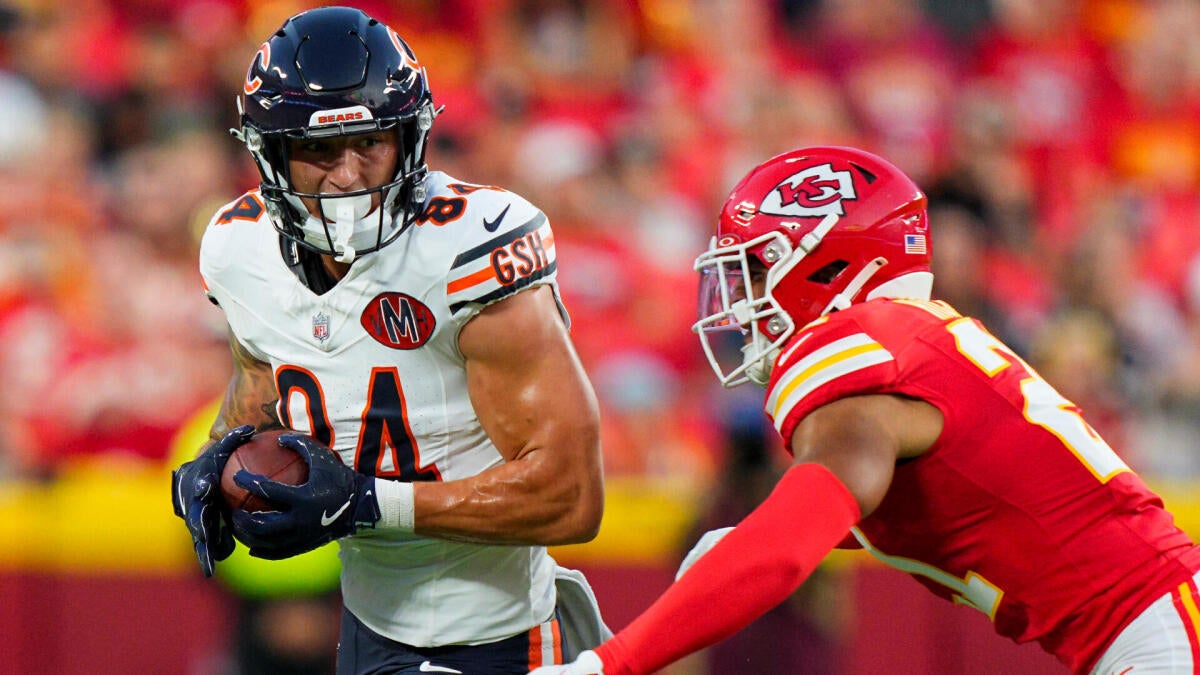
Matchups such as Cowboys vs. Commanders and Bears vs. Vikings serve as focal points for offensive projections. In DFS, these high-total environments dictate ‘stacking’ strategies, where pairing a quarterback with elite receiving options like CeeDee Lamb or Justin Jefferson maximizes point-per-dollar efficiency. However, the inclusion of high-upside rookies like Caleb Williams and Jayden Daniels introduces operational volatility. Investors must balance the projected ceiling of these young assets against the lack of a pro-level statistical floor.
Personnel Deficits and Usage Rate Shifts
Confirmed absences of primary targets, such as Zay Flowers or Nico Collins, trigger a structural reallocation of targets and touches. This ‘next-man-up’ dynamic creates massive value in the DFS salary cap, as lower-tier players inherit elite-level usage rates at a fraction of the cost. Identifying these secondary beneficiaries allows for the construction of ‘stars-and-scrubs’ lineups that maintain high median projections while staying under salary constraints.
Contrarian Leverage in Low-Total Matchups
While public capital gravitates toward high-scoring games, low-total matchups like Titans vs. Eagles or Seahawks vs. Cardinals offer significant leverage. In a 13-game slate, these defensive-oriented contests often see depressed ownership levels. A granular analysis of individual defensive matchups can reveal sleepers whose moderate production yields a higher relative tournament ranking due to their low selection frequency.
Quantitative Modeling and Expected Value (EV)
The evolution of sports wagering has elevated the necessity of algorithmic simulations. Professional systems, such as those utilized by Mike McClure, run thousands of game iterations to isolate true probability from public sentiment. By accounting for variables like weather, personnel shifts, and historical pace of play, these models identify Positive Expected Value (+EV) opportunities that surface-level analysis overlooks, particularly in the volatile early weeks of the season.
Institutional Impact and Professional Syndicate Activity
High-stakes contests and Las Vegas ATS pools represent the institutional core of the Week 2 market. The movement of betting lines in this window is often dictated by professional syndicates moving large blocks of capital onto ‘buy-low’ candidates. Understanding the delta between the opening line and the closing line (CLV) is critical for bettors seeking to align with sharp money rather than public narratives, ensuring long-term profitability in an increasingly efficient marketplace.