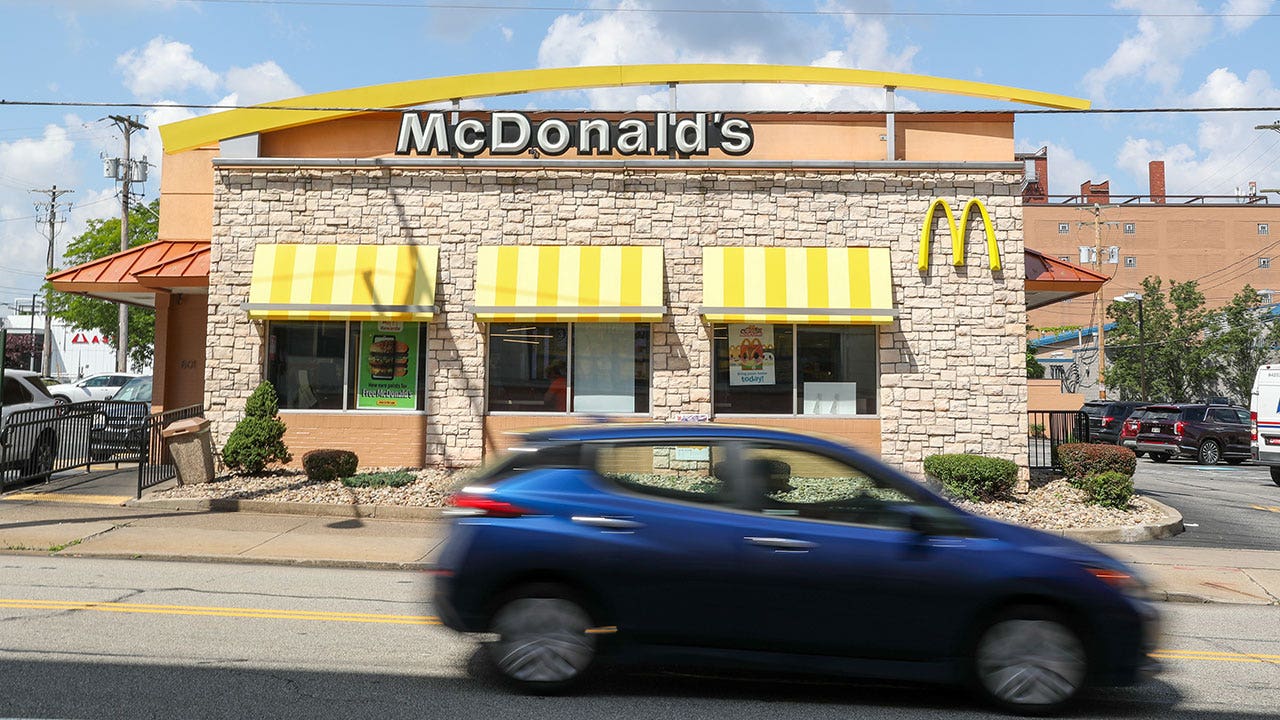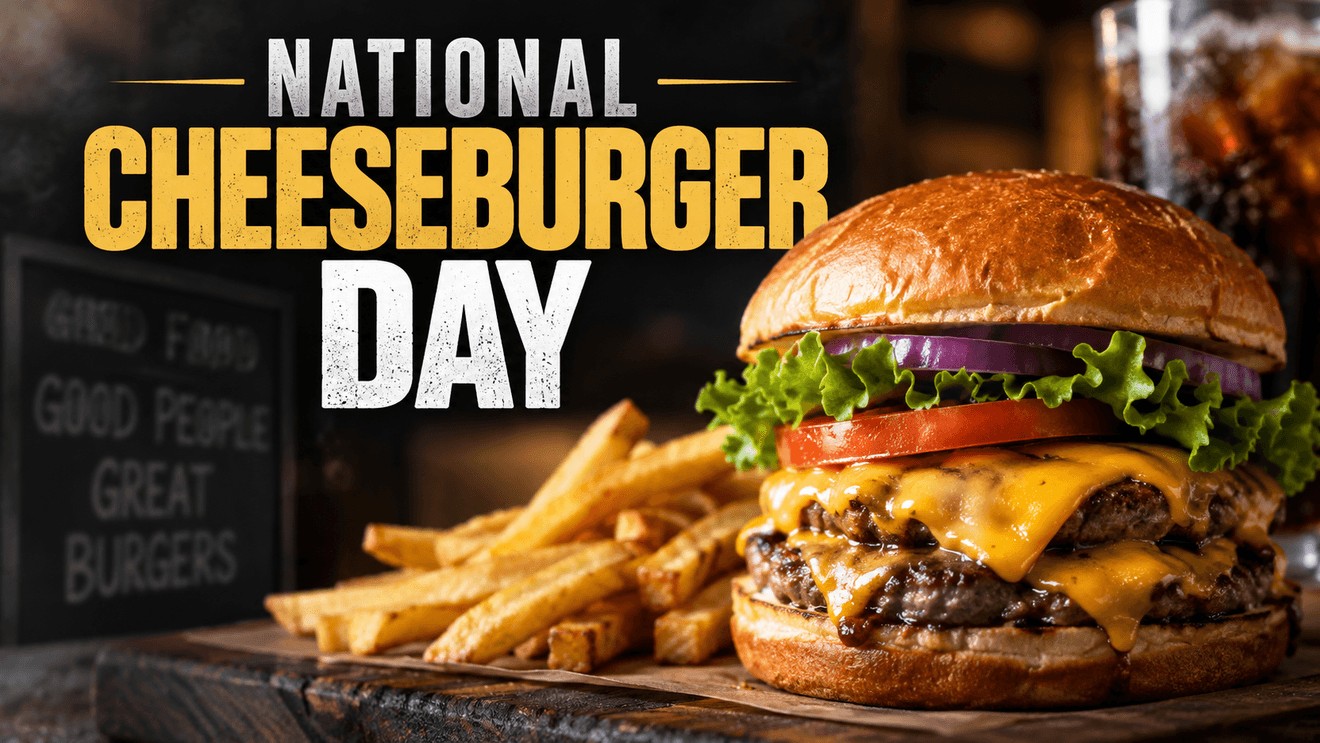
National Cheeseburger Day functions as a strategic marketing catalyst for quick-service restaurant (QSR) chains, driving customer acquisition through proprietary digital platforms. Brands including McDonald’s, Burger King, Wendy’s, Five Guys, Shake Shack, and Carl’s Jr. utilize this date to anchor promotional campaigns, underscoring the food retail sector’s structural reliance on digital ecosystem integration to capture consumer traffic.
Digital Infrastructure and Loyalty Program Integration
The mechanics of these promotions reflect an industry-wide pivot toward mobile applications and first-party data capture. Chains mandate loyalty program participation to unlock discounts, replacing traditional walk-in discounting with gated digital offers. McDonald’s utilized its MyMcDonald’s Rewards platform to distribute free Double Cheeseburgers tied to a one-dollar minimum spend exclusively via its mobile app, simultaneously lowering the barrier to digital adoption and establishing a transactional baseline.
Burger King extended its campaign duration through a multi-day promotional sequence via its Royal Perks loyalty framework. By enforcing a three-dollar minimum purchase threshold to unlock rotating items—ranging from bacon cheeseburgers to chicken sandwiches—the brand engineered repeat engagement across consecutive operating days, optimizing the retention yield of its promotional expenditures.
Competitive Differentiation in the Quick-Service Sector
This concentrated promotional activity highlights the hyper-competitive baseline of the fast-food market. While national franchises leverage supply chain economies of scale to absorb discounting costs, regional operators utilize alternative positioning strategies. In urban markets such as San Antonio, independent establishments compete against national footprints via product differentiation, including smash burgers and localized culinary variations.
These independent operators highlight a bifurcated market structure: national brands scale through digital convenience and aggressive pricing, whereas regional entities rely on localized cultural affinity and distinct product attributes. This coexistence diversifies the market response to retail food holidays without requiring uniform execution across industry tiers.
Supply Chain and Economic Implications of Promotional Scheduling
Executing high-volume promotional giveaways requires precise inventory forecasting to prevent stockouts while preserving service velocity during peak operating hours. Minimum purchase thresholds function as financial safeguards, ensuring that incremental foot traffic generates an average ticket size capable of offsetting subsidized product costs.
Furthermore, app-centric transactions generate proprietary consumer analytics regarding purchasing habits and price elasticity. By centralizing holiday-driven transactions within digital interfaces, operators convert short-term promotional volume into long-term customer relationship management (CRM) assets that inform future menu development and pricing models.