Technological Centralization and the Erosion of Decentralized Resiliency
A federal whistleblower disclosure, championed by Senator Richard Blumenthal, has exposed significant systemic vulnerabilities within the United States Postal Service’s (USPS) newly developed infrastructure for mail-in ballots. At the center of the controversy is a move toward a centralized online portal designed to aggregate voter data and ballot tracking—a radical departure from the traditionally decentralized mail-handling protocols that have historically mitigated broad-scale system failures.
This shift from localized logistics to a federalized digital silo introduces a singular point of failure. According to the disclosure, the USPS is prioritizing an aggressive September 1 implementation deadline, effectively bypassing the rigorous stress-testing cycles required for mission-critical democratic infrastructure. The whistleblower alleges that this compressed timeline precludes necessary technical validation, heightening the risk of system-wide latency during peak electoral periods.
The Logistics of Administrative Friction
The new portal requires state election officials to interface with a federal platform to synchronize barcode data and voter identification. This mandate transforms the USPS from a neutral logistics provider into a data-gatekeeper, creating a technical bottleneck for local election boards. For many jurisdictions, the administrative burden of integrating disparate local databases with an unproven federal system threatens to exhaust limited budgetary and technical resources.
The whistleblower characterizes the potential consequences as “catastrophic,” warning that data mismatches or portal instability could stall the delivery, verification, and processing of ballots across multiple states simultaneously. This centralized dependency removes the safety net of regional autonomy, where a localized error could previously be contained without impacting the national aggregate.
Judicial Overrides and Institutional Compliance
The allegations highlight a growing tension between executive directives and judicial oversight. Documents suggest that the USPS is continuing technical preparations to enforce specific mail-voting restrictions despite a court order staying their implementation. This dual-track approach—proceeding with the infrastructure of a blocked policy—places the agency in a state of administrative limbo.
By embedding contested rules into the core architecture of the new portal, the USPS may be attempting to achieve operational outcomes that the judiciary has explicitly restricted. This ‘policy-by-portal’ strategy complicates oversight, as hardcoded restrictions in technical systems are inherently less transparent and more difficult to challenge in real-time than traditional administrative memos.
Operational Latency and the Discarding of Best Practices
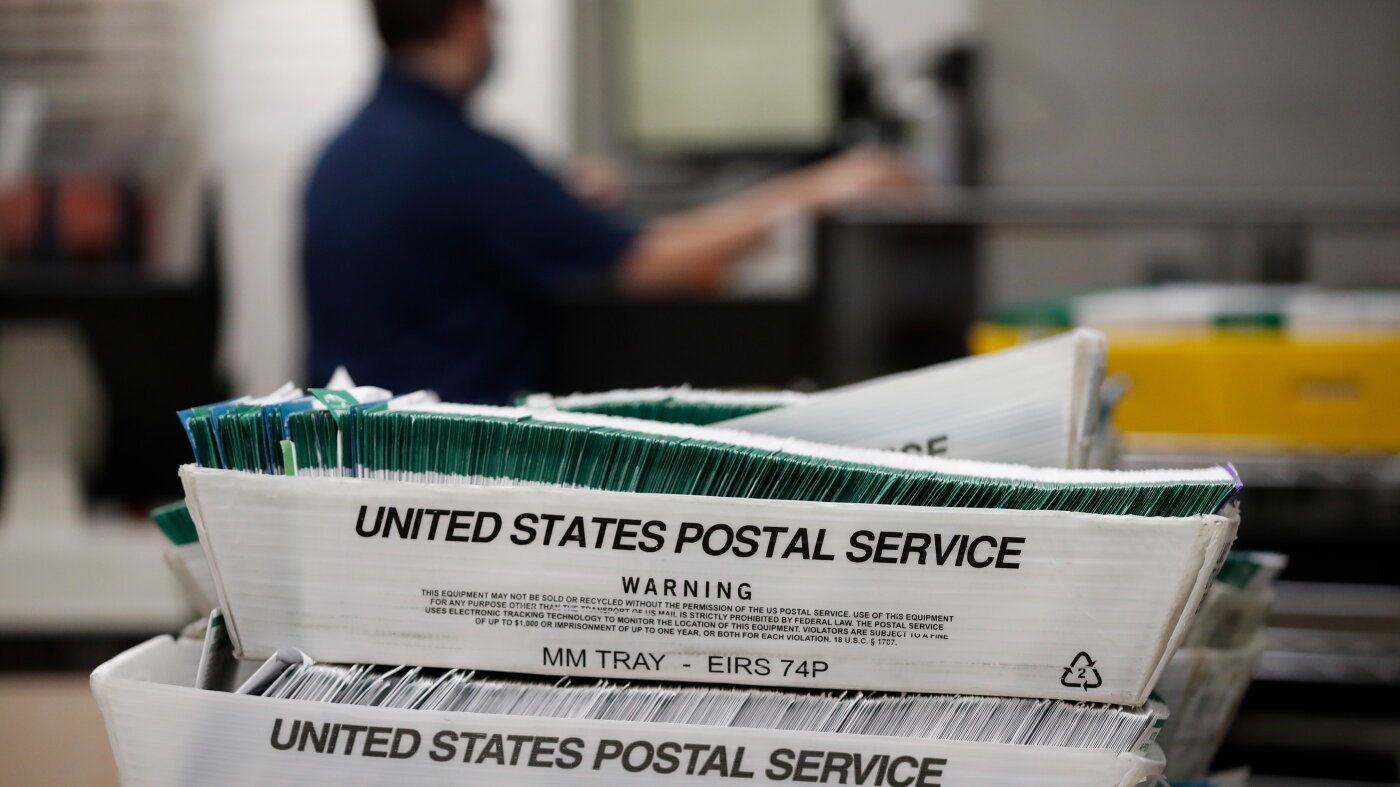
The whistleblower claims that USPS leadership has largely discarded industry-standard technology procurement protocols. In typical high-stakes deployments, systems undergo extensive beta testing to ensure integrity under high-volume loads. By truncating these phases, the agency risks significant data corruption and misrouting. Any misalignment between the portal’s digital records and the physical mail pieces on the sorting floor could lead to widespread disenfranchisement and logistical paralysis.
Furthermore, the reliance on an untested platform introduces a layer of third-party risk for state officials. While local boards remain legally responsible for election conduct, they are being forced to depend on a federal system over which they exercise no direct oversight. The financial and reputational stakes are immense; a failed rollout could trigger emergency litigation and further strain the Postal Service’s precarious financial standing, undermining long-term public trust in the mail as a reliable vehicle for democratic participation.