Transatlantic Tensions Surface at G20 Ministerial Gathering
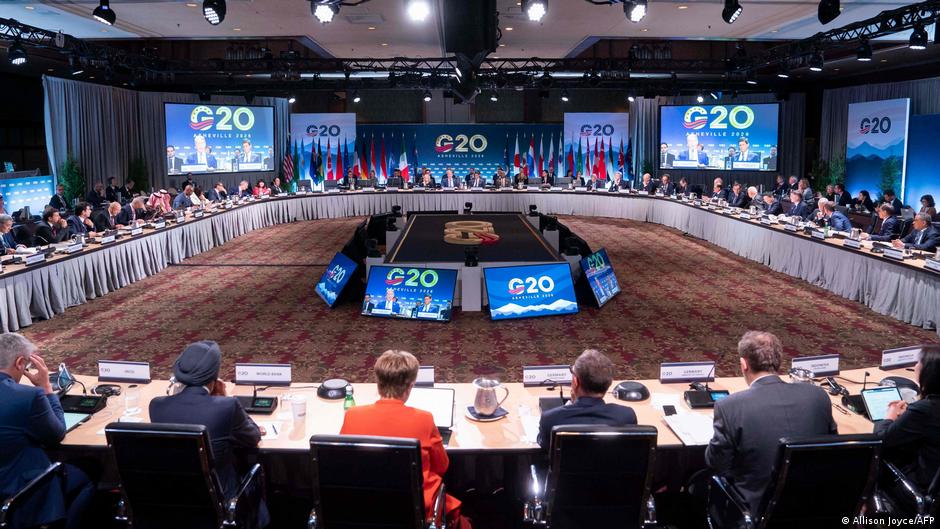
The Group of 20 finance ministers and central bank heads gathered in Asheville, North Carolina, for a session overshadowed by diplomatic friction. Holding the rotating G20 presidency, the United States extended an unexpected invitation to Moscow, bringing Russian Finance Minister Anton Siluanov to the summit for his first in-person appearance since the full-scale invasion of Ukraine in 2022.
The move triggered immediate pushback from European delegations committed to isolating Moscow and expanding economic sanctions. Washington’s decision exposed a widening strategic divergence between the White House and European allies regarding diplomatic engagement, threatening the consensus underpinning Western sanctions architectures.
Bilateral Talks Link Economic Relief to War Termination
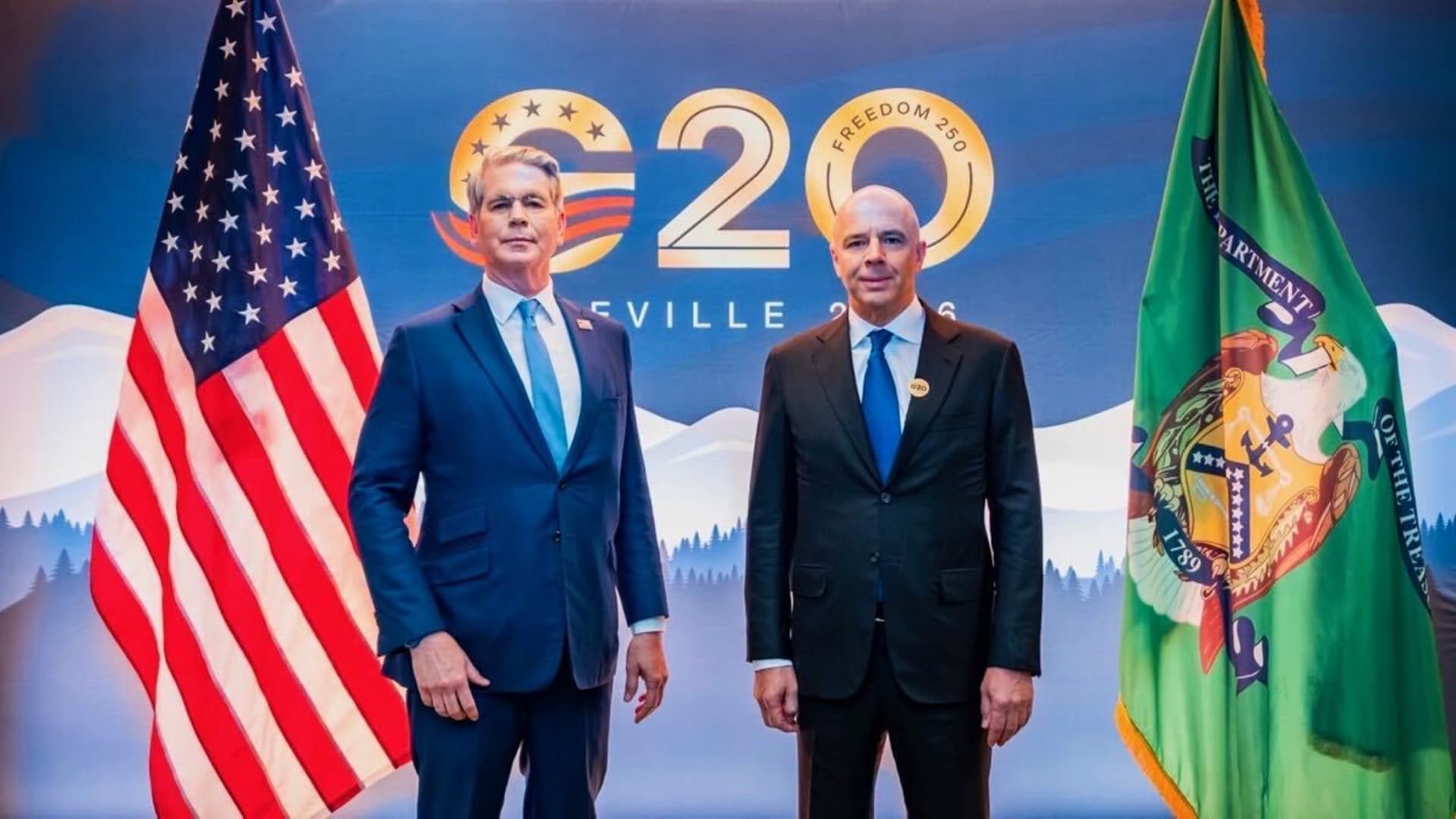
On the sidelines of the summit, US Treasury Secretary Scott Bessent held a bilateral meeting with Siluanov. Bessent communicated a firm stance, stating that no sanctions relief or new bilateral agreements would be possible while the war in Ukraine continues. When the Russian minister attempted to steer talks toward mutual economic interests, Bessent reiterated that no substantive progress could occur until the conflict concludes.
According to Axios, the talks centered on President Donald Trump’s peace plan for Ukraine and global economic growth metrics. Conversely, the Russian finance ministry characterized the exchange as focusing strictly on institutional financial cooperation within the G20 framework.
Broader Controversies Overshadow Economic Agenda
The Asheville summit faced severe logistical and political complications, including participant dissatisfaction over media access restrictions imposed on critical reporters. Furthermore, the agenda was burdened by concurrent geopolitical crises, specifically the economic fallout from the conflict involving Iran and the repercussions of US trade disputes with Canada, testing the efficacy of multilateral financial governance.
Institutional Fallout and Strategic Divergence
The inclusion of high-level Russian representation highlights a tactical shift in US diplomacy compared to the isolated posture maintained by European capitals. While President Trump defended the outreach, the engagement reveals a fractured consensus. By tying potential relief directly to the termination of hostilities, the US administration frames its engagement as strictly transactional, leaving international markets and institutions to navigate heightened diplomatic unpredictability.