United Airlines Faces Heightened Scrutiny After Two Mid-Air Diversions
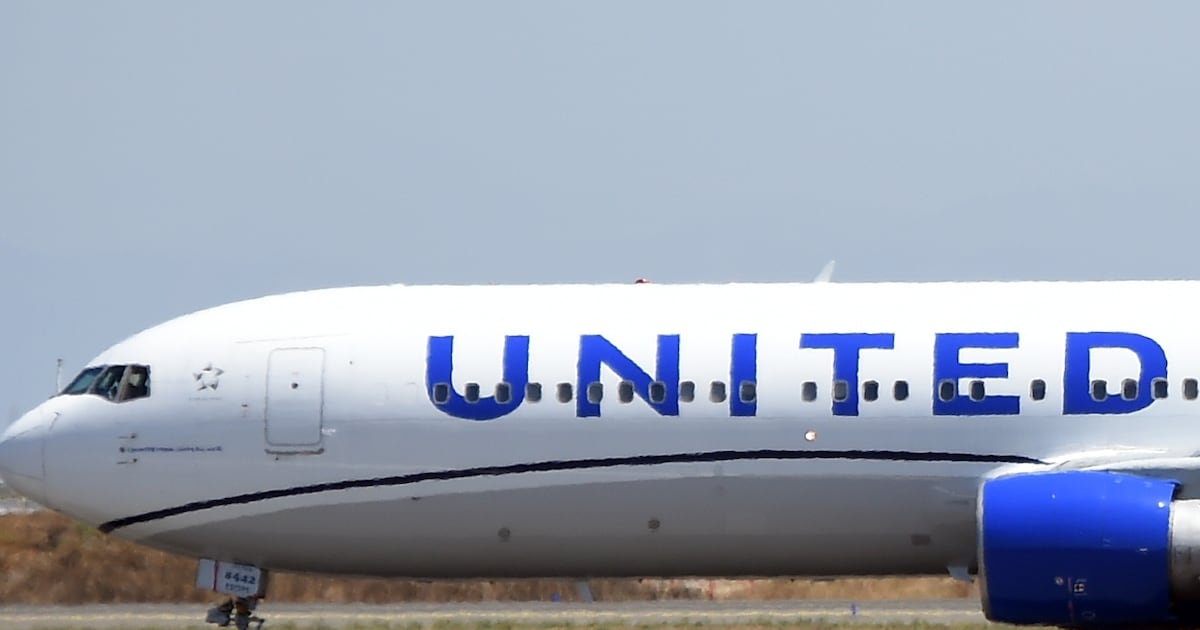
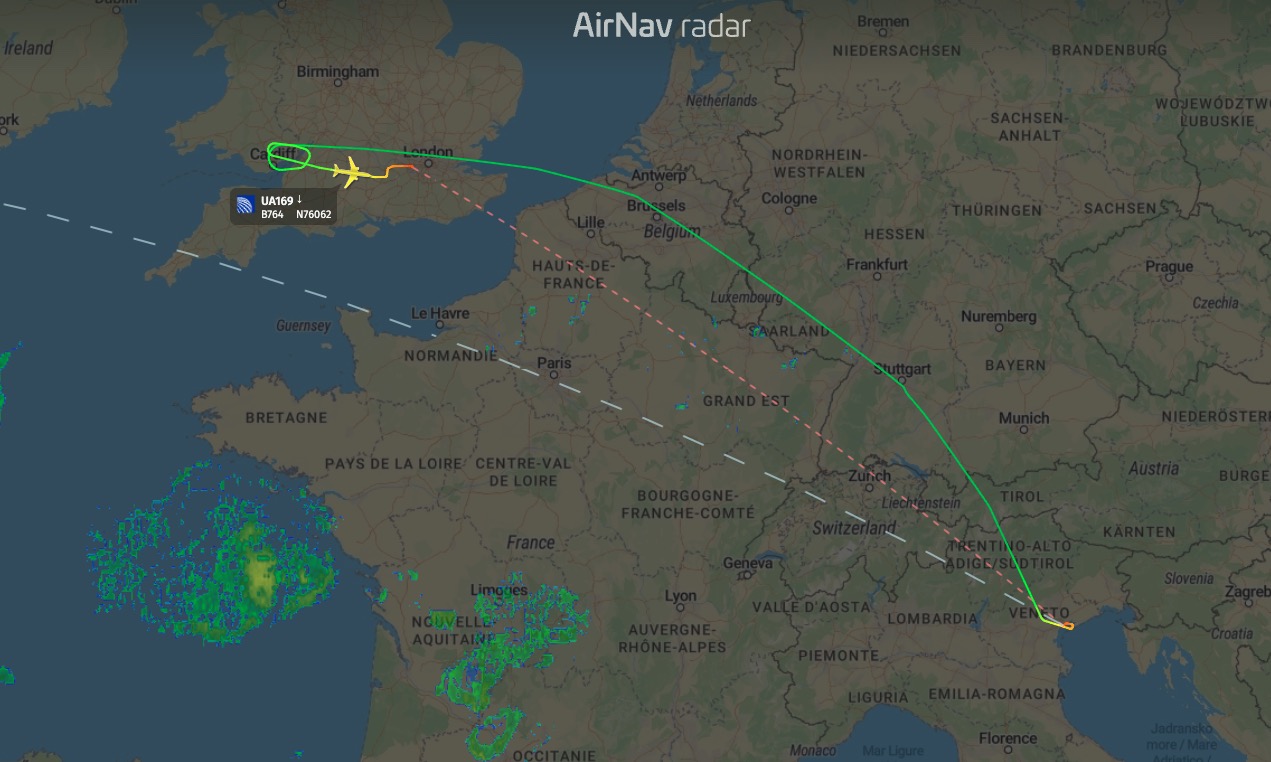
United Airlines is under increased scrutiny following two distinct mid-flight diversions of aircraft bound for Newark Liberty International Airport, occurring within a concentrated timeframe. Flight UA169, a Boeing 767-400ER, diverted to London Heathrow due to a technical fault shortly after departing Venice, Italy. Concurrently, Flight 1403, a Boeing 757, executed an emergency landing in Las Vegas stemming from an engine issue during its flight from Los Angeles.
Operational and Safety Ramifications
The convergence of these incidents, involving long-haul and domestic routes respectively, necessitates a thorough evaluation of United’s operational protocols and fleet maintenance integrity. Flight UA169’s diversion to London Heathrow involved a standard but critical fuel dumping procedure to achieve safe landing weight, highlighting the severity of the mid-flight technical failure.
Similarly, Flight 1403’s emergency landing in Las Vegas due to an engine problem at altitude underscores the inherent risks in complex aviation systems. The Federal Aviation Administration’s (FAA) confirmation of an engine issue indicates a potential focus on specific component or system failures in their review.
Passenger Impact and Reaccommodation
The diversions significantly disrupted travel for the 216 passengers on UA169 and the 176 passengers and seven crew members on Flight 1403. While United Airlines is rebooking affected passengers, the logistical challenges and potential for cascading network delays are substantial.
The extended duration of these disruptions, including the time for fuel dumping, landing, and subsequent rebooking, leads to considerable passenger inconvenience and potential economic repercussions for those with onward travel plans.
Fleet and Maintenance Oversight
The deployment of a Boeing 767-400ER on a transatlantic route and a Boeing 757 on a transcontinental route brings United’s fleet management and maintenance practices for these aircraft types into focus. While specific mechanical issues remain undisclosed, multiple diversions across different models may suggest broader systemic or maintenance-related factors.
Both the long-range Boeing 767-400ER and the reliable Boeing 757 require meticulous maintenance. Any technical fault impacting airworthiness at cruising altitudes demands immediate and expert crew response, alongside robust ground support.
Regulatory and Industry Scrutiny
These events are expected to attract attention from aviation regulatory bodies, including the FAA and potentially European authorities due to the London diversion. Investigations into the root causes are standard and aim to identify any fleet-wide or industry-level systemic issues.
The aviation industry relies on established safety frameworks, including emergency transponders (squawk 7700) and fuel dumping protocols. However, the frequency and nature of such events can influence public confidence and investor sentiment regarding an airline’s operational standing.
Competitive Positioning and Market Perception
In the competitive airline landscape, operational reliability is a key differentiator. United’s handling of these diversions and its commitment to passenger safety will be closely observed by competitors, analysts, and the traveling public. Incidents raising safety or efficiency concerns can impact market share and brand reputation.
The airline’s communication strategy regarding these events, including the transparency of disclosed issues and reaccommodation timelines, is critical for managing public perception and reinforcing passenger trust.
Network Operations and Downstream Effects
The diversion of two aircraft for unscheduled maintenance can create ripple effects across United’s network. Grounding aircraft for inspection and repair may lead to cancellations, delays, and resource reallocation, impacting flight schedules and potentially increasing operational costs.
Effective network management is crucial for repositioning aircraft and crews to mitigate disruptions. This strain on operational capacity, particularly during peak travel times, necessitates proactive schedule adjustments to minimize further cascading delays.
Historical Context and Performance Benchmarks
While technical diversions occur in aviation, the occurrence of two such events for the same airline in close succession invites comparison with historical operational performance benchmarks. The industry operates under stringent safety regulations, and deviations from established safety metrics are subject to intense scrutiny.
Airlines invest in fleet modernization, predictive maintenance, and crew training to minimize incident likelihood. Sustained operational reliability and safety records are key indicators of the effectiveness of these investments.
Institutional Response and Future Preparedness
United Airlines’ response—including thorough investigation of mechanical faults and transparent communication with passengers and regulators—is critical. Demonstrating a commitment to addressing root causes and implementing corrective actions will shape its long-term standing.
Strategic decisions regarding maintenance schedules, fleet deployment, and training will signal the airline’s approach to risk management and operational excellence. The industry will observe United’s navigation of these challenges for potential best practice insights.
Capital Allocation and Investment
Significant mechanical issues can lead to accelerated capital expenditure for repairs or fleet replacement, impacting profitability. Decisions on investing in newer aircraft or enhancing maintenance infrastructure balance operational efficiency with long-term financial health.
Market analysts will likely assess the financial impact on United’s earnings, considering passenger compensation, aircraft downtime, and potential regulatory actions. Financial resilience will be a key indicator of the airline’s ability to absorb these costs while pursuing growth.
Aviation Maintenance Supply Chain Dynamics
The availability of spare parts and specialized maintenance services is vital. Grounding aircraft due to mechanical issues can intensify demand for specific components and skilled technicians, potentially causing delays and increased costs across the industry.
United’s efficiency in sourcing necessary parts and personnel directly impacts aircraft return-to-service times, highlighting the interconnectedness of airlines with their suppliers and maintenance providers in ensuring travel reliability.
Media Narrative and Public Perception
Media reports, including passenger accounts describing events as “terrifying,” influence public discourse on airline safety. United’s proactive media engagement and consistent communication of safety measures are crucial for managing public perception.
The airline’s official statements, emphasizing safe landings and passenger reaccommodation, represent a strategic effort to control the narrative. However, underlying technical issues and the potential for recurrence remain public concerns.
Long-Term Strategic Positioning
United Airlines’ market position hinges on its reputation for safety and reliability. These recent diversions, though managed through standard protocols, offer an opportunity to reinforce its commitment to operational excellence via decisive action and transparent communication.
The airline’s long-term strategy may involve reassessing fleet maintenance programs, investing in advanced diagnostic technologies, and enhancing crew training for emergency procedures. Successfully navigating these challenges is pivotal for maintaining its competitive edge in the global aviation industry.