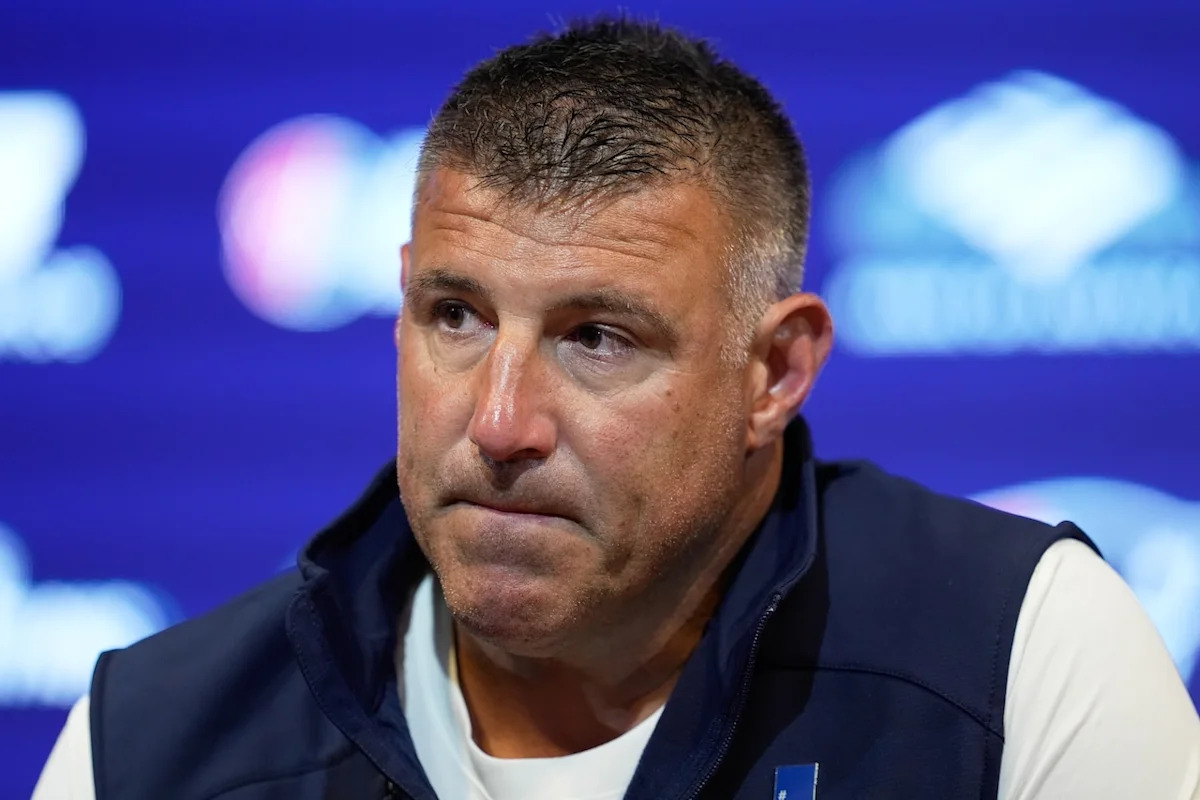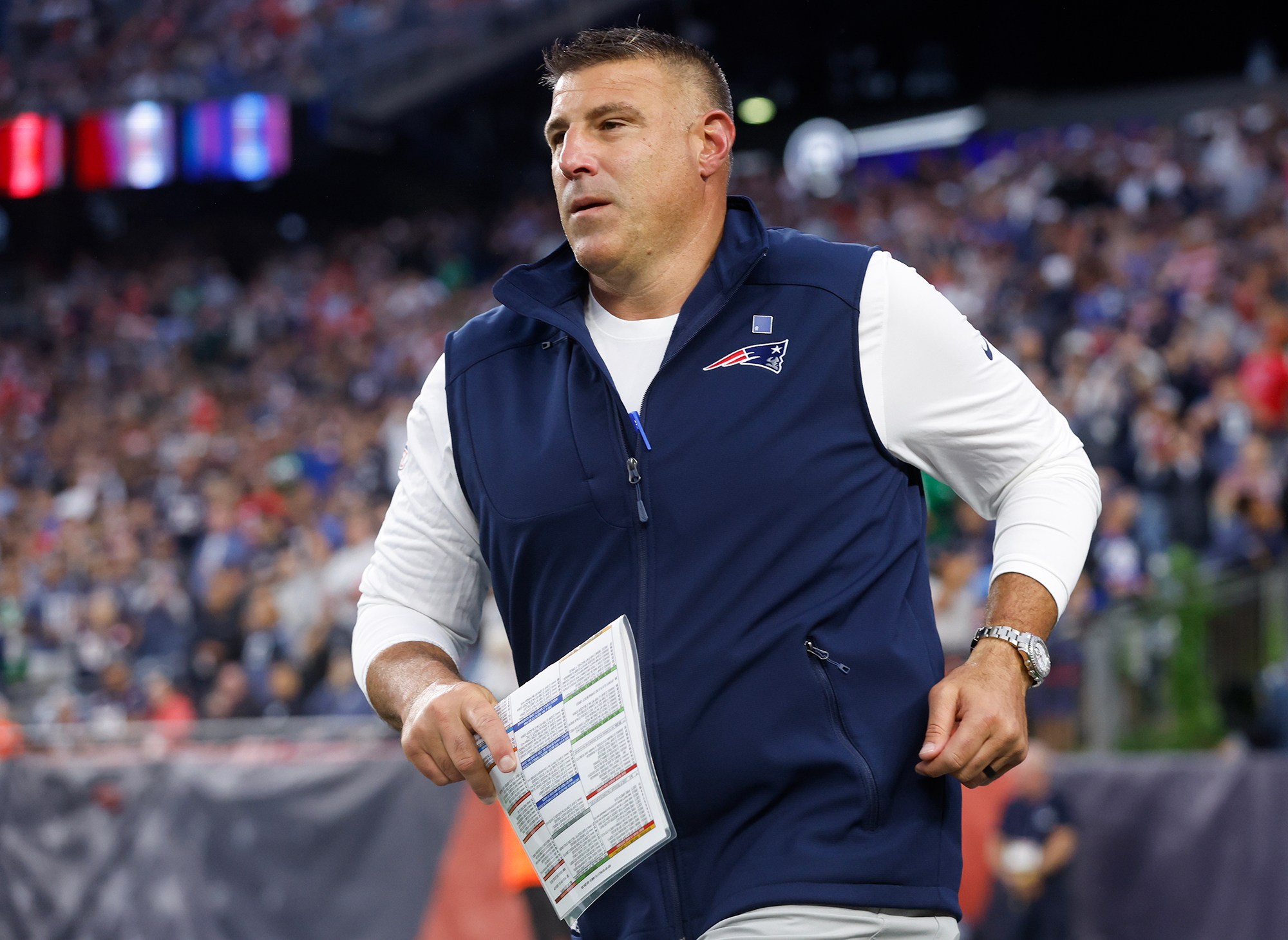
The New England Patriots’ 24-21 preseason victory over the Philadelphia Eagles has been superseded by a sobering institutional assessment from head coach Jerod Mayo. Moving beyond standard post-game platitudes, Mayo identified a systemic lack of roster depth that now necessitates a conservative operational shift. This admission indicates that the internal valuation of the roster’s secondary and tertiary layers is lower than previously projected, forcing a pivot from developmental cycles to a model of survival-based personnel management.
Strategic Preservation vs. Developmental Repetition
The decision to potentially shelf starters for the preseason finale represents a significant departure from traditional ramp-up protocols, particularly for a team integrating high-value assets like rookie quarterback Drake Maye. Mayo’s emphasis on maintaining the “best players available” for Week 1 reflects a risk-aversion strategy born from the realization that the roster cannot absorb further attrition. The coaching staff now views the starting unit as a fragile ecosystem lacking viable contingencies, prioritizing health over the marginal benefits of game-speed synchronization.
By limiting live-game exposure for primary starters, the organization is effectively betting on controlled joint practices to provide necessary competitive friction. This strategy acknowledges that the cost of a starter’s injury in a shallow roster environment is catastrophic. The shift signals a widening chasm between first-string talent and replacement-level players, a reality that dictates a more insulated approach to the remaining exhibition schedule.
The Offensive Line Attrition Crisis
The Patriots’ operational constraints are most acute within the offensive line, where consecutive injuries have compromised structural stability. The loss of backup center/guard Ben Brown to a season-ending injury, compounded by Marcus Bryant’s ankle injury, has decimated the unit’s functional depth. These are not merely incremental losses; they represent the erosion of essential insurance policies for the team’s most vulnerable positions.
The scarcity of tackle-ready talent across the NFL league-wide exacerbates this crisis, leaving the Patriots with limited options for the finale against the Cleveland Browns. Within this context, every subsequent preseason snap for a remaining lineman carries exponential systemic risk. Mayo’s hesitation to play starters is a direct response to this reality: any further injury to the front five would leave the quarterback room—and specifically Drake Maye—exposed to unmitigated physical risk during the regular season.
Institutional Implications and Market Positioning
Mayo’s public declaration that the team is not “very deep” serves as a rare, transparent look into the institutional challenges facing the front office. This statement functions as a management of external expectations while highlighting a disconnect between the quantity of the 90-man roster and the quality of professional-grade execution. Consequently, the final 53-man roster cuts will likely be dictated by availability rather than long-term developmental upside.
This depth deficit has immediate market consequences. The Patriots are positioned as aggressive observers of the waiver wire, as the coaching staff lacks confidence in the bottom half of the current roster to sustain a competitive floor. Furthermore, this transparency may diminish trade leverage, as opposing front offices recognize the Patriots’ urgent need for functional depth at specific premium positions.
Protecting Franchise Capital: The Drake Maye Factor
The management of Drake Maye remains the focal point of this preservationist doctrine. Protecting the rookie from a depleted offensive line is a logical extension of the safety-first approach. However, this protection creates a developmental paradox: Maye is deprived of the live-game experience essential for adjusting to NFL defensive speeds. The decision to keep Maye on the sidelines suggests the organization believes his maturation can be sufficiently managed in meeting rooms and practices until the protection schemes are stabilized.
Conclusion: A Shift to Risk Mitigation
As the preseason concludes, the narrative has shifted from growth to survival. The 24-21 win over Philadelphia provided statistical success, but the underlying structural concerns voiced by Mayo remain the dominant theme. The team’s success will now be measured not by preseason scores, but by the ability to navigate the final week without further compromising the starting lineup. Whether this conservative approach prepares the team for September or leaves them under-conditioned for the rigors of a 17-game season is the defining question for the new coaching regime.