
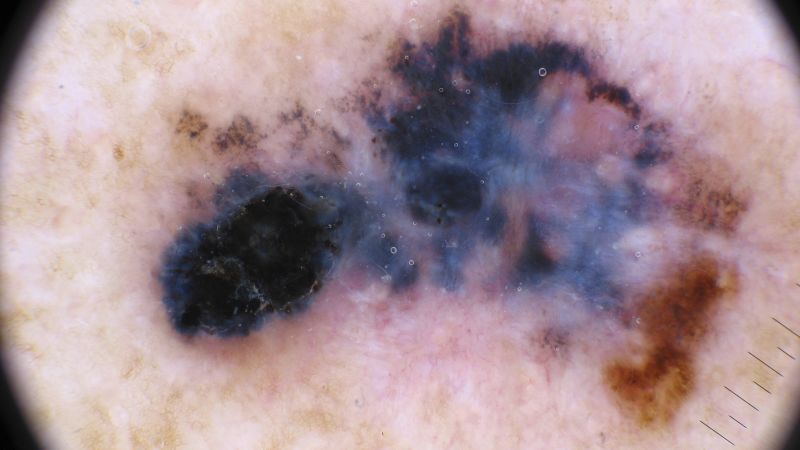
The clinical validation of the mRNA-4157 (V940) personalized vaccine by Merck and Moderna marks a structural realignment of the oncology market. Moving beyond the ‘one-size-fits-all’ blockbuster model, this breakthrough shifts the therapeutic paradigm toward bespoke genetic targeting. Data from Phase 2b trials indicated a 44% reduction in the risk of recurrence or death in melanoma patients when combined with Keytruda, providing the clinical derisking necessary to justify a massive sector-wide revaluation.
This transition represents a fundamental pivot in Moderna’s corporate identity: the evolution from a pandemic-centric entity to a diversified oncology powerhouse. The 177% appreciation in stock value reflects a market recalibration of the company’s terminal value, transitioning its mRNA platform from a temporary prophylactic solution to a long-term therapeutic engine in a post-COVID economy.
The financial momentum has triggered systemic effects across equity markets. Most notably, a historic short squeeze in the biotech sector forced a liquidity drain from the crowded AI chip trade. This capital rotation suggests that institutional investors, facing saturation in the semiconductor and generative AI sectors, are migrating toward therapeutic platforms with higher barriers to entry and untapped alpha. For asset managers, the de-risking of mRNA in solid tumors offers a compelling growth alternative to the maturing AI narrative.
Precision Logistics: The Neoantigen Supply Chain
Unlike cytotoxic chemotherapy, the Merck-Moderna vaccine utilizes neoantigenic mapping to train the immune system against unique patient-specific mutations. This precision minimizes systemic toxicity while maximizing the durability of the immune response. However, this success introduces significant operational complexity; the pharmaceutical supply chain must transition from mass production to individualized batch processing.
Each dose requires a closed-loop integration of genomic sequencing, bioinformatics, and rapid-response manufacturing. For Merck, this partnership is a strategic maneuver to extend the lifecycle of its immunotherapy franchise, creating a synergistic ecosystem that prevents the ‘patent cliff’ by layering proprietary mRNA technology over established monoclonal antibodies.
Market Recalibration and Institutional Confidence
Validation from the Mass General Brigham Cancer Institute has bolstered institutional confidence, signaling that mRNA is a transformative modality rather than a situational tool. Dr. Ryan Sullivan’s assessment suggests that this success will trigger a recursive wave of investment, as clinical data reduces the ‘risk premium’ for the broader biotech sector.
This proof-of-concept for solid tumors expands the addressable market exponentially. Traditional oncology players now face a strategic crossroads: develop internal mRNA capabilities or enter high-premium partnerships to avoid obsolescence. The speculative bet reflected in Moderna’s valuation is rooted in the potential for a standardized regulatory pathway for personalized vaccines, which would drastically reduce the cost-to-market for subsequent iterations.
Macro Liquidity Flows and Sector Volatility
The intersection of the biotech rally and the disruption of the AI semiconductor trade highlights the interconnectedness of modern liquidity. As short positions in Moderna were liquidated, the resulting demand for capital necessitated a drawdown in profitable positions within the hardware sector. This ‘squeeze’ underscores the vulnerability of crowded trades when a high-conviction catalyst emerges in a competing high-growth sector.
The operational test for Moderna now lies in its transition from clinical-stage to commercial-scale oncology. Scaling bespoke manufacturing requires navigating uncertain pricing and reimbursement models. Payers must balance the high upfront cost of custom synthesis against the long-term economic benefits of preventing metastatic recurrence. Ultimately, the Merck-Moderna milestone serves as the catalyst for a new era of medicine, where the treatment is as unique as the disease itself, ending the era of broad-spectrum oncology.

Photo by helituov on Pixabay.