Atmospheric Dynamics of the 2026 ENSO Event
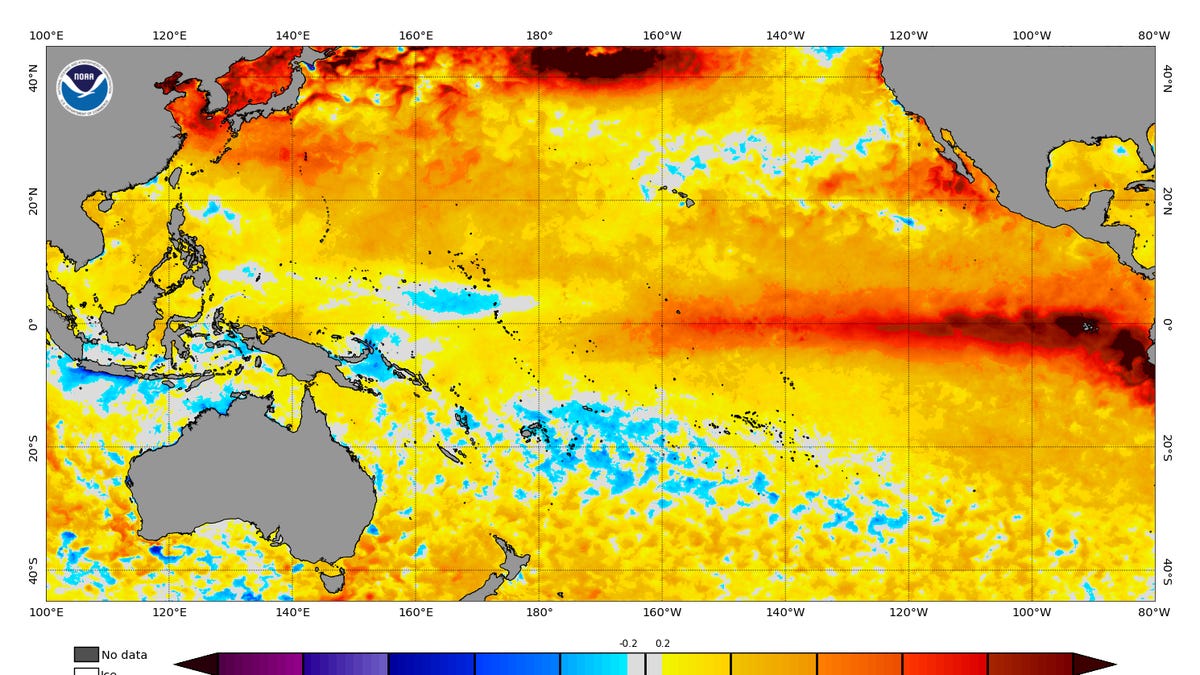
The projected 2026-27 ‘Super El Niño’ represents a significant intensification of the El Niño-Southern Oscillation (ENSO), characterized by extreme sea surface temperature (SST) anomalies in the central and eastern tropical Pacific. This thermal energy facilitates a structural shift in the polar jet stream, effectively sequestering Arctic air masses at higher latitudes. For the northern United States and the Great Lakes region, this translates to a winter defined by sustained thermal buoyancy and a notable reduction in Heating Degree Days (HDD).
Sectoral Impact: Energy and Commodity Markets
The anticipated deficit in seasonal volatility poses specific challenges for the energy sector. Natural gas markets, historically sensitive to winter heating demand, may experience downward price pressure as residential and industrial consumption falls below decadal averages. Utility providers must calibrate procurement strategies to avoid over-supply, while energy traders monitor the divergence between private meteorological services like OpenSnow and conservative federal guidance from NOAA. This forecasting gap creates a period of ‘speculative risk,’ where market positions are hedged against the probability of a warm-trend breakdown.
Agricultural and Hydrological Considerations
In the agricultural belt, particularly the Ohio Valley, the absence of consistent snowpack introduces systemic risks to soil health. Snow acts as a critical thermal insulator for winter crops; without it, root systems are vulnerable to episodic frost despite higher mean temperatures. Furthermore, the lack of gradual melt-water recharge may signal a moisture deficit for the 2027 planting cycle, necessitating early-season adjustments in irrigation planning and crop selection.
Infrastructural Optimization and Logistics
Municipalities in the northern tier stand to achieve significant capital reallocation. Reduced snowfall decreases the operational demand for salt procurement and emergency snow removal services, allowing local governments to redirect funds toward deferred infrastructure maintenance. Simultaneously, the logistics and transportation sectors benefit from increased transit fluidity. Reduced weather-related bottlenecks on major interstate corridors enhance the efficiency of just-in-time (JIT) supply chains, though individual high-impact storms—noted as a statistical outlier in the OpenSnow model—require maintained contingency reserves.
Stochastic Modifiers: The Polar Vortex and Solar Cycles
Despite the dominance of the El Niño signal, atmospheric modifiers such as the stratospheric polar vortex and solar activity (highlighted by the Old Farmer’s Almanac) introduce non-linear variables. A sudden stratospheric warming event can decouple the jet stream, precipitating intense, short-lived cold snaps that bypass ENSO-driven patterns. Strategic resilience requires recognizing that while a Super El Niño establishes a warm baseline, these secondary drivers can trigger localized extremes, challenging inventory management for retailers and emergency response capabilities for utility providers.