Strategic Energy Realignment and Contracting Milestones
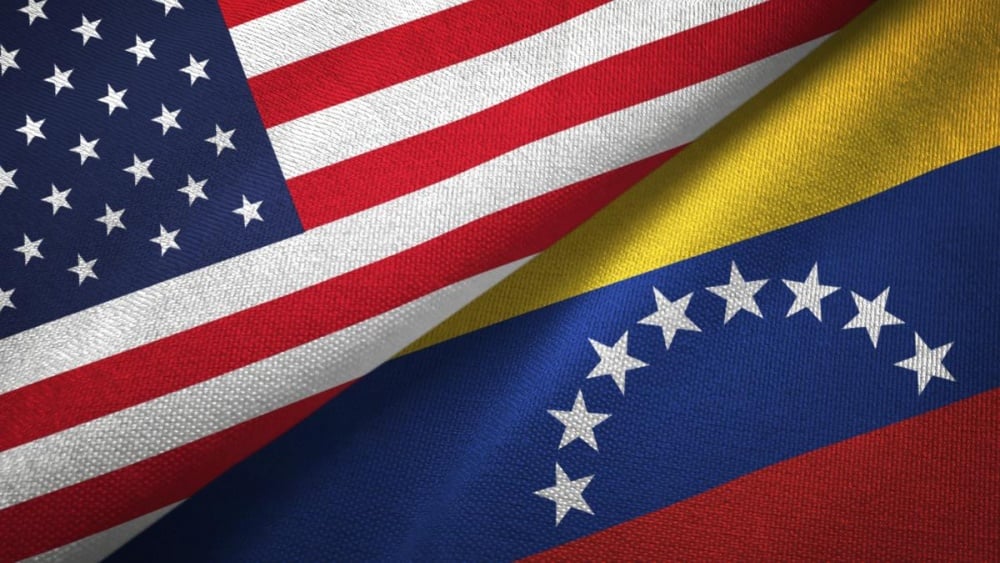
Several United States independent oil producers are scheduled to finalize production contracts with Venezuela state-owned oil company PDVSA during a formal signing ceremony in Houston. This cluster of agreements indicates a substantial escalation in direct US commercial participation within the Venezuelan hydrocarbons sector following prolonged regulatory contraction.
This procedural timing aligns with parallel operational maneuvers by major international oilfield services providers operating inside the country. SLB has initiated active steps to restore up to fifteen drilling rigs within Venezuelan territory, addressing the severe infrastructure bottlenecks that have historically constrained field development and output expansion.
Operational Constraints and Capital Deployment Realities
Current operational metrics underscore the acute physical limitations governing production growth across the Orinoco Heavy Oil Belt and legacy fields. Baker Hughes data indicates that active land-based drilling rigs stood at a mere two units, creating an immense structural deficit against the estimated ninety-three rigs required by the Venezuelan energy sector to achieve its long-term development targets.
SLB confirmed that smaller workover units are being prioritized for deployment, projecting the gradual restoration of four active devices within the calendar year. Achieving full operational status for all fifteen targeted rigs remains contingent upon the execution velocity of production contracts and the resolution of complex logistics chains.
Logistics, Import Dependencies, and Supply Chain Mechanics
Independent service providers such as Formentera Partners are concurrently engaging international counterparts to facilitate the cross-border transport and inland transfer of additional drilling equipment. These operations necessitate intricate regulatory compliance, import licensing acquisition, and coordination with state entities to clear import hurdles.
Compounding these operational variables is the fundamental reliance on imported diluents required to process Venezuelan heavy crude streams. The US supplies upwards of one hundred thousand barrels per day of naphtha to serve as a blending agent, illustrating an integrated logistical feedback loop between Gulf Coast processing infrastructure and Orinoco extraction sites.
Bilateral Trade Dynamics and Refining Integration
US Department of Energy officials characterize the evolving energy relationship as an interdependent partnership anchored by geographical proximity and specialized refinery configurations. Approximately half of Venezuela current output, exceeding five hundred thousand barrels daily, is directed toward specialized US Gulf Coast refineries engineered explicitly to convert heavy oil slates into refined products.
Senior PDVSA representatives note that this export volume represents a vital commercial outlet that directly underpins state revenues and operational cash flows. Concurrently, domestic fuel production and internal market distribution volumes report modest incremental gains, underscoring ongoing efforts to rehabilitate domestic refining capacity.
Macroeconomic Rebound and Structural Headwinds
Official state figures place current crude production at approximately one million two hundred fifty thousand barrels per day, accompanied by a measured expansion in export volumes over the preceding months. Sector executives emphasize that realizing projected production targets depends heavily on securing long-term contract certainty and attracting sustained foreign capital expenditure.
Despite operational advancements, persistent structural deficits remain evident across ancillary sub-sectors, including daily natural gas shortfalls that continue to challenge integrated field management. Navigating these hurdles requires continuous capital allocation toward infrastructural modernization, technical training, and institutional reform within the national energy apparatus.