
Meteorological Instability and Flash Flood Risks
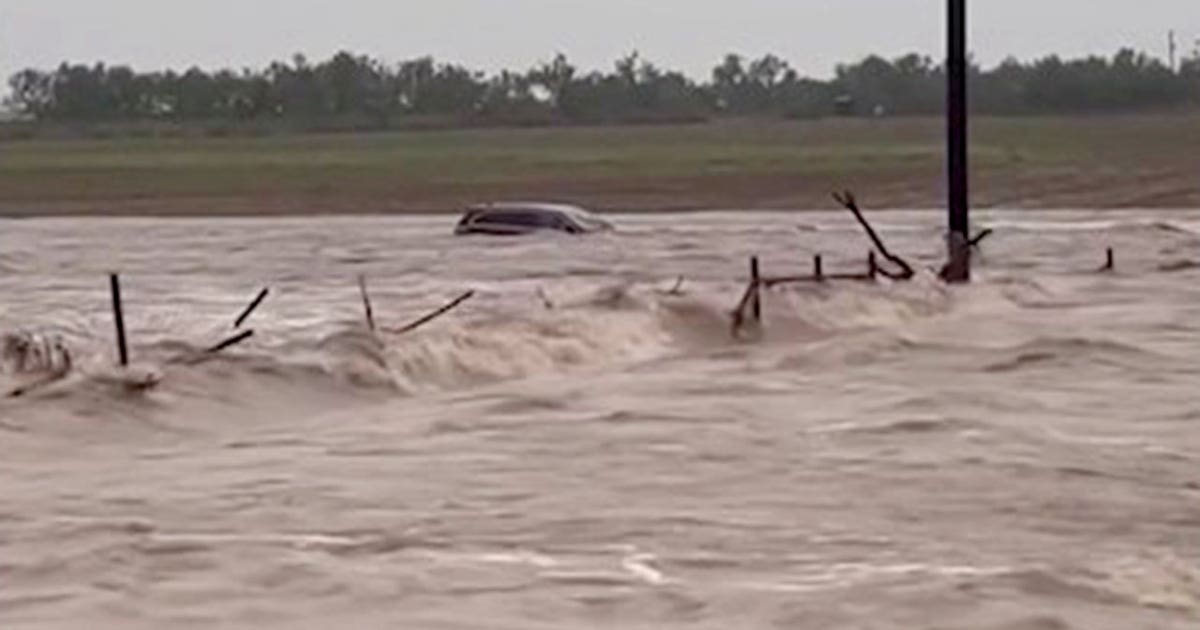
The transition from a sustained heat dome to a ‘ring of fire’ atmospheric configuration has placed Texas in a period of heightened hydrological danger. This pattern creates a high-pressure perimeter that funnels moisture-rich air into the state, resulting in extreme precipitation events. The Weather Prediction Center (WPC) has escalated risk assessments to a Level 4 out of 4 for South Texas, particularly affecting Uvalde, where the convergence of intense rainfall and saturated soil presents a severe life-safety threat.
Operational Strain on Infrastructure
Critical transportation networks in Sabinal, Hondo, and D’Hanis are experiencing systemic disruptions due to rapid water accumulation. The operational burden on Texas Game Wardens—tasked with high-water vehicle extractions—underscores the immediate strain on emergency services. These infrastructure failures not only impede local mobility but also restrict the rapid deployment capabilities of first responders during peak saturation events.
Economic Exposure and Regional Vulnerability
Major economic hubs including Austin and San Antonio are operating under a Level 3 out of 4 flood threat. As these cities serve as primary anchors for regional supply chains, sustained rainfall poses risks to industrial output and commercial stability. Furthermore, the Big Bend region faces long-term utility maintenance challenges, with meteorological models predicting accumulation totals exceeding 12 inches, which tests the capacity of municipal drainage systems.
Institutional Response and Mitigation Strategy
Coordinated flood watches from Big Bend to Waco reflect a data-driven institutional response. By utilizing real-time WPC modeling, state authorities are employing tiered resource allocation to prioritize high-vulnerability sectors. This proactive framework is essential for minimizing downstream disruption and ensuring public safety in the face of volatile weather patterns.
Resilience and Future Planning
The escalating frequency of high-volume precipitation events necessitates a pivot toward infrastructure resilience. Modernizing municipal drainage and integrating robust emergency management protocols are no longer optional for long-term regional stability. Continuous investment in flood-mitigation infrastructure is a strategic requirement for mitigating the economic volatility inherent in this shifting climatic environment.
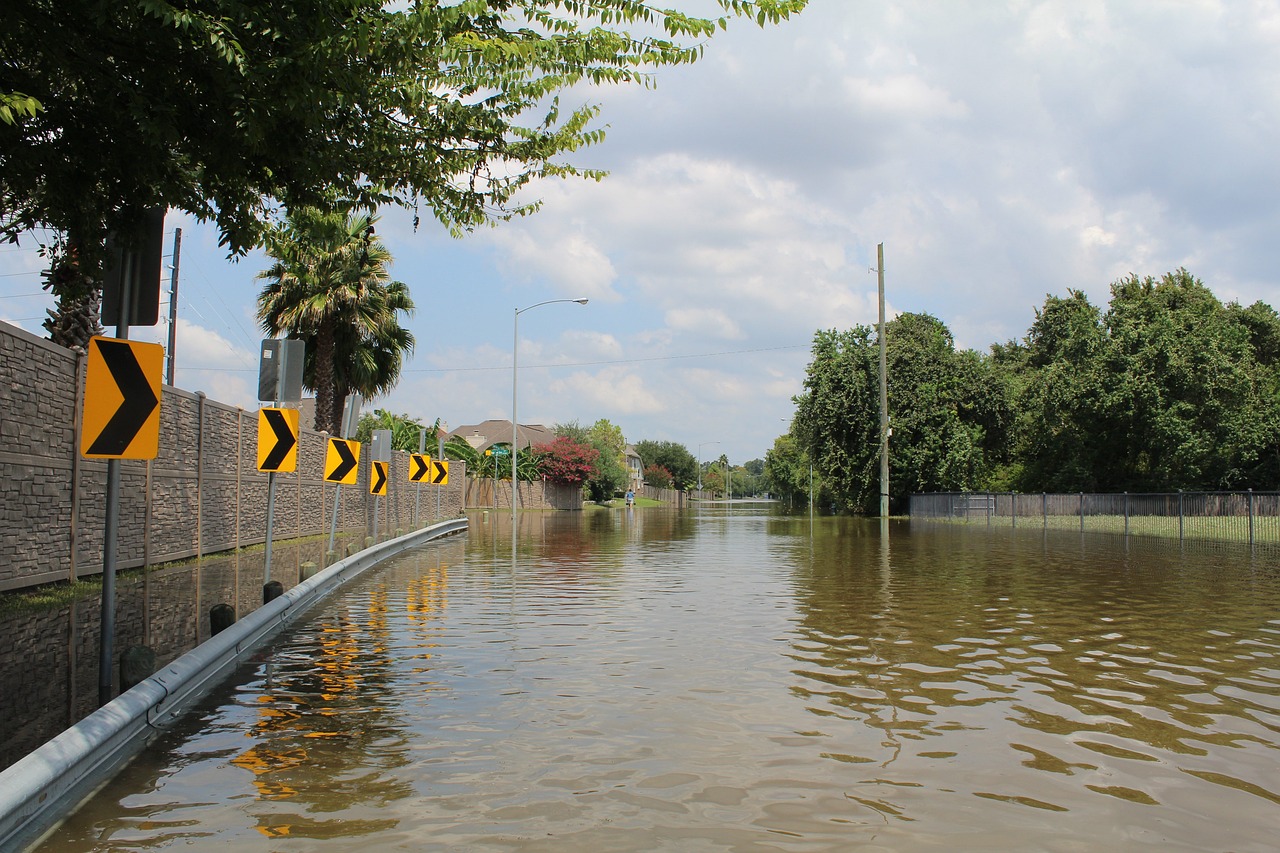
Photo by andrewtheshrew on Pixabay.