Strategic Realignment: Roster Availability as a Performance Variable
The July 14, 2026, contest between the Washington Mystics and the Toronto Tempo serves as a definitive case study in how personnel availability dictates competitive equilibrium. With Washington (11-10) holding a marginal edge over Toronto (10-13) in the Eastern Conference, the impact of injury reports on rotation depth has become the primary driver of both game-day performance and predictive betting models.
Toronto’s defensive profile—yielding 92.0 points per game—necessitates high-variance offensive output to remain competitive. Conversely, Washington’s disciplined defense, allowing just 84.2 points, provides a statistical buffer that forces opponents into a lower-possession game. The outcome hinges on whether Toronto’s high-octane system can overcome the structural rigidity of Washington’s defensive scheme.
The Economics of Injury-Driven Attrition
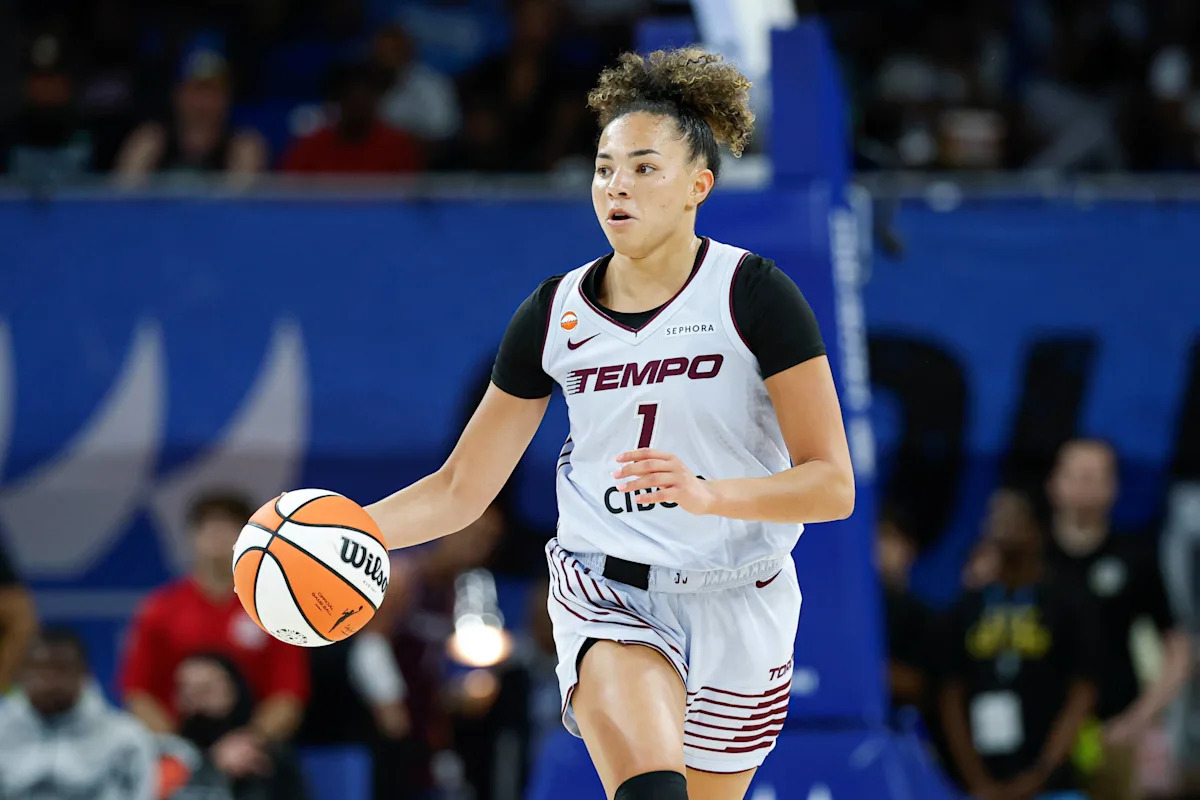
Toronto’s roster volatility is underscored by the confirmed absences of Brittney Sykes and Kiki Rice, coupled with the uncertain availability of Temi Fagbenle. Such attrition creates significant usage rate imbalances, forcing secondary scoring options to operate outside their optimal efficiency tiers. For the Mystics, the strategic exclusion of Darianna Littlepage-Buggs signals a deliberate choice to prioritize long-term tactical fit over pure roster depth, highlighting a sophisticated approach to organizational load management.
Market Sentiment and Tactical Volatility
Oddsmakers have adjusted to these constraints, positioning Washington as a -1.5 point favorite with a moneyline of -135. This market stance reflects institutional confidence in the Mystics’ superior roster health. The total points line of 171.5 highlights a convergence between Toronto’s defensive permeability and Washington’s defensive-first identity, creating a high-stakes environment for investors tracking how coaching staffs rotate personnel to mitigate talent deficits.
Performance Metrics and Positional Leverage
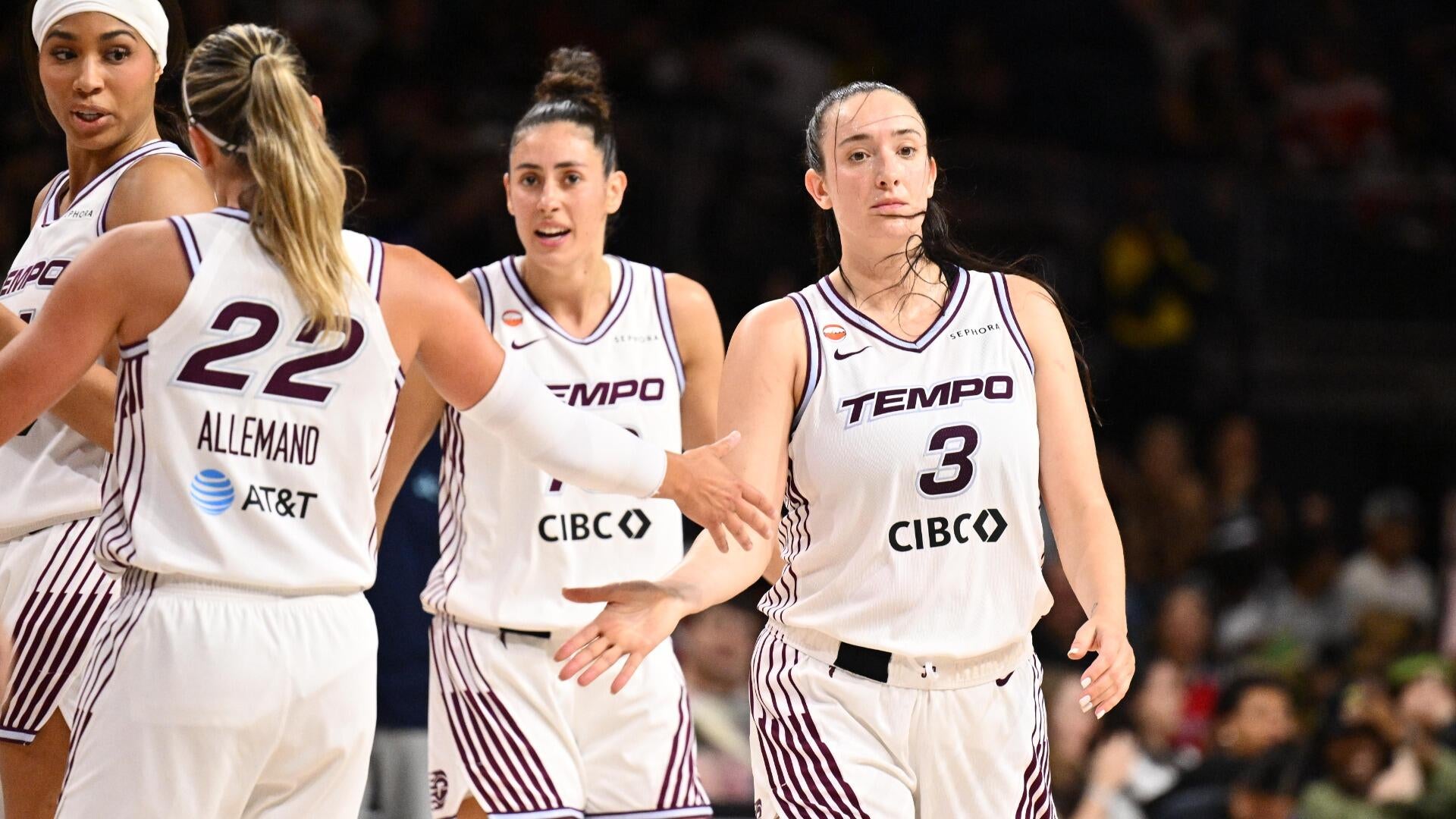
The matchup features a clash of offensive catalysts: Marina Mabrey (21.6 PPG) and Sonia Citron (18.7 PPG). Their ability to sustain efficiency against elevated defensive pressure will define the game’s tempo. Shakira Austin’s interior presence (14.0 PPG, 9.1 RPG) serves as the Mystics’ structural anchor, tasked with neutralizing Toronto’s perimeter-heavy threats and securing the glass to limit Toronto’s secondary scoring opportunities, led by contributors like Laura Juskaite.
Institutional Growth and Future Implications
The cross-platform accessibility of this game via MNMT, TSN, and NBA TV mirrors the WNBA’s evolution into a data-centric media asset. For analysts, the interplay between real-time injury tracking and tactical in-game pivots is as central to the broadcast as the final score. As the 2026 season progresses, the ability to maintain systemic resilience amidst injury cycles will define the Eastern Conference playoff hierarchy, with this matchup providing a litmus test for Toronto’s tactical adaptability under pressure.