Strategic Asset Realignment and IP Portability
The transition of the S.W.A.T. franchise from a legacy broadcast staple to a targeted premium cable and streaming asset marks a significant evolution in intellectual property (IP) management. By rehousing the series at Starz under the title S.W.A.T. Exiles, Sony Pictures Television (SPT) has effectively decoupled the brand from the restrictive renewal cycles of traditional networks, demonstrating the increasing portability of established franchise equity.
This migration highlights a broader industry shift: independent studios are increasingly leveraging high-engagement fan bases to secure premium placements. SPT’s decision to fully produce the 10-episode season prior to finalizing distribution underscores a high-conviction play, signaling confidence in the brand’s residual market value and its ability to capture specific audience segments independently of its original platform.
Operational Efficacy and Creative Continuity
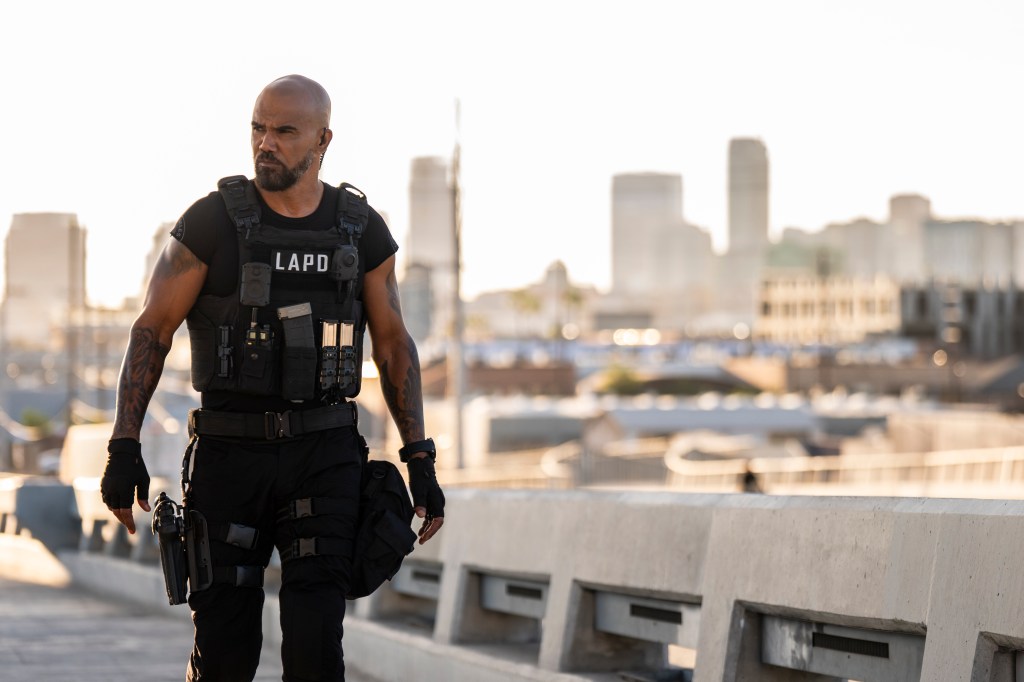
Led by executive producer Jason Ning, S.W.A.T. Exiles represents a strategic pivot toward a serialized narrative structure, diverging from the procedural format of the broadcast original. By retaining core cast members Shemar Moore, Patrick St. Esprit, and Jay Harrington, the studio mitigates audience attrition risks, ensuring brand continuity during the platform transition.
The operational choice to finalize production before distribution provided SPT with enhanced creative autonomy and a streamlined time-to-market. This strategy allowed the studio to present a turnkey product to Starz, optimizing the negotiation leverage for the domestic release while securing the project’s technical and narrative integrity.
Global Syndication and Multi-Tiered Monetization
Sony’s international strategy for S.W.A.T. Exiles involves a sophisticated multi-tiered distribution framework. By securing rights across Europe, Latin America, Asia-Pacific, and the EMEA regions, the studio is maximizing global monetization. The implementation of day-and-date releases in select territories serves as a critical tactic to combat piracy and capitalize on the simultaneous peak of global interest.
Windowing Economics and Secondary Licensing
In the U.S. market, the strategy utilizes a clear windowing model. Starz serves as the primary exhibition window to drive subscriber acquisition, while Sony retains the rights for lucrative secondary licensing. Ongoing negotiations for a second-window deal with Netflix—where the original series has demonstrated sustained performance for over three years—illustrate a focus on long-tail revenue. By utilizing viewer behavioral data from Netflix’s recommendation algorithms, Sony is positioning the spinoff to achieve maximum algorithmic visibility.
Market Impact: The Broadcast-to-Premium Evolution
The swift transition following the CBS cancellation of the original series serves as a case study for the evolving relationship between independent production houses and broadcast networks. It proves that network termination is no longer the definitive end of a property’s commercial lifecycle. For Starz, the acquisition provides a high-profile, established action drama to anchor its fall schedule, bolstered by a pre-existing audience familiar with the franchise’s tonal identity.
Future Outlook and Structural Sustainability
The September 25 premiere of S.W.A.T. Exiles initiates a new phase for the brand. As the media landscape continues to fragment, the ability to maintain brand continuity across disparate distribution channels will be the primary determinant of long-term success. Sony’s proactive franchise management suggests a sustainable model for other independent studios navigating the complexities of modern content deployment.