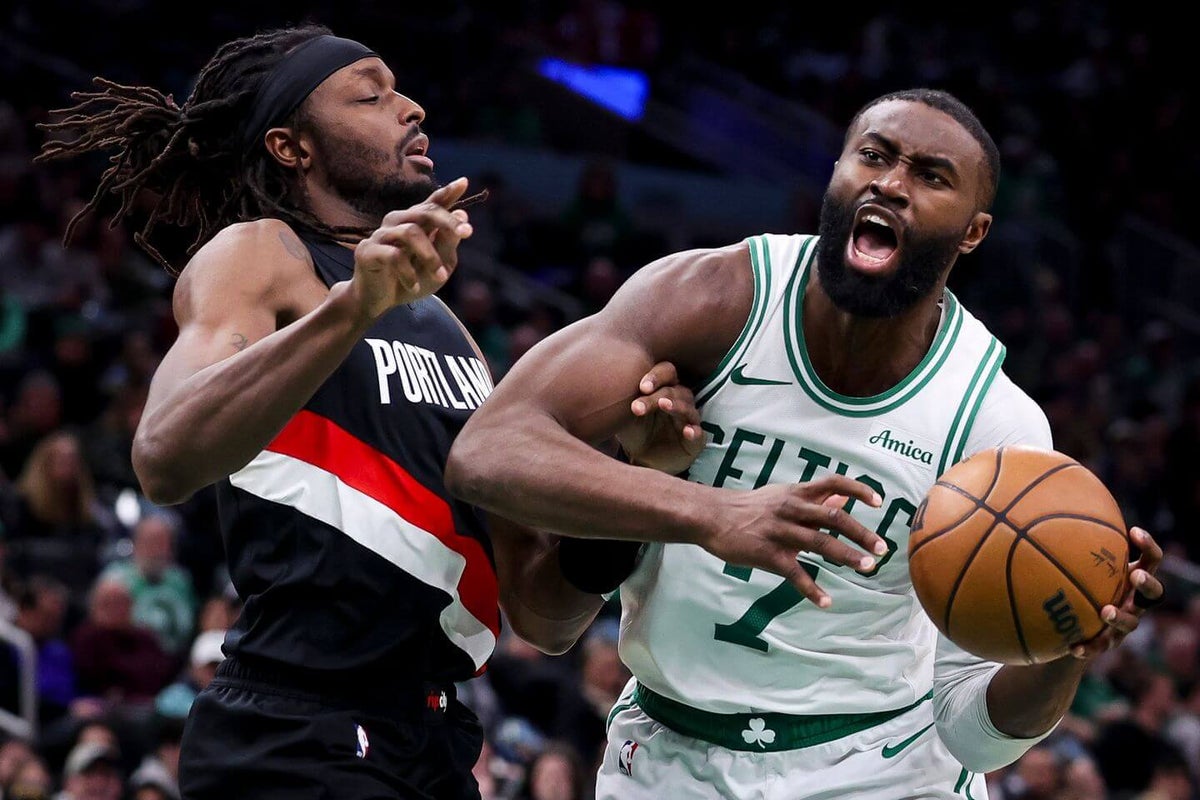
Valuation vs. Market Reality
The trade market surrounding Jaylen Brown reflects a profound shift in how NBA franchises value elite, high-salary assets. Despite his recent Finals MVP status, the Boston Celtics’ reported pursuit of a massive return—including four first-round picks plus secondary assets—has hit a wall of league-wide skepticism.
The Financial Architecture of the ‘Apron’ Era
Modern roster construction is now dictated by the CBA’s restrictive ‘apron’ rules. The Celtics’ desire to move Brown suggests a long-term strategic pivot toward salary cap flexibility rather than a decline in the player’s performance. In an era where draft capital is treated as a premium asset, teams are increasingly hesitant to sacrifice long-term stability for individual star power, regardless of pedigree.
The Mechanics of Stalled Negotiations
The Celtics find themselves in a precarious position. By signaling a willingness to trade a cornerstone piece, they have opened the door for league-wide scrutiny. However, with limited institutional leverage after failing to secure other primary targets, Boston has struggled to spark the bidding war necessary to meet their high internal valuation. Organizations like the Portland Trail Blazers and Denver Nuggets are reportedly evaluating the risk-reward profile, finding the current asking price prohibitive.
The Cost of Public Speculation
Publicly shopping a franchise pillar creates inherent organizational friction. The current stalemate threatens to diminish the player’s perceived trade value and potentially compromise internal team dynamics. Should Boston persist with an unrealistic asking price, they risk damaging their relationship with Brown while failing to extract necessary assets. Success for the Celtics now depends on their ability to recalibrate expectations before the market further cools.