The Macroeconomic Scale and Commercial Architecture of the 2026 Tournament
The 2026 FIFA World Cup represents an unprecedented escalation in the commercialization of global sports, driven by an estimated AUD$1.3 billion prize pool. This capital injection underscores the tournament’s role as a major driver of international entertainment GDP, anchored by multi-platform media rights, expanded corporate sponsorship tiers, and record-breaking ticket yields across the host nations of the United States, Canada, and Mexico. Rather than functioning simply as a quadrennial tournament, the event acts as a critical commercial node, accelerating infrastructure development and local tourism economies while realigning corporate marketing budgets for the subsequent four-year cycle.
Legacy Assets and the Financialization of Personal IP
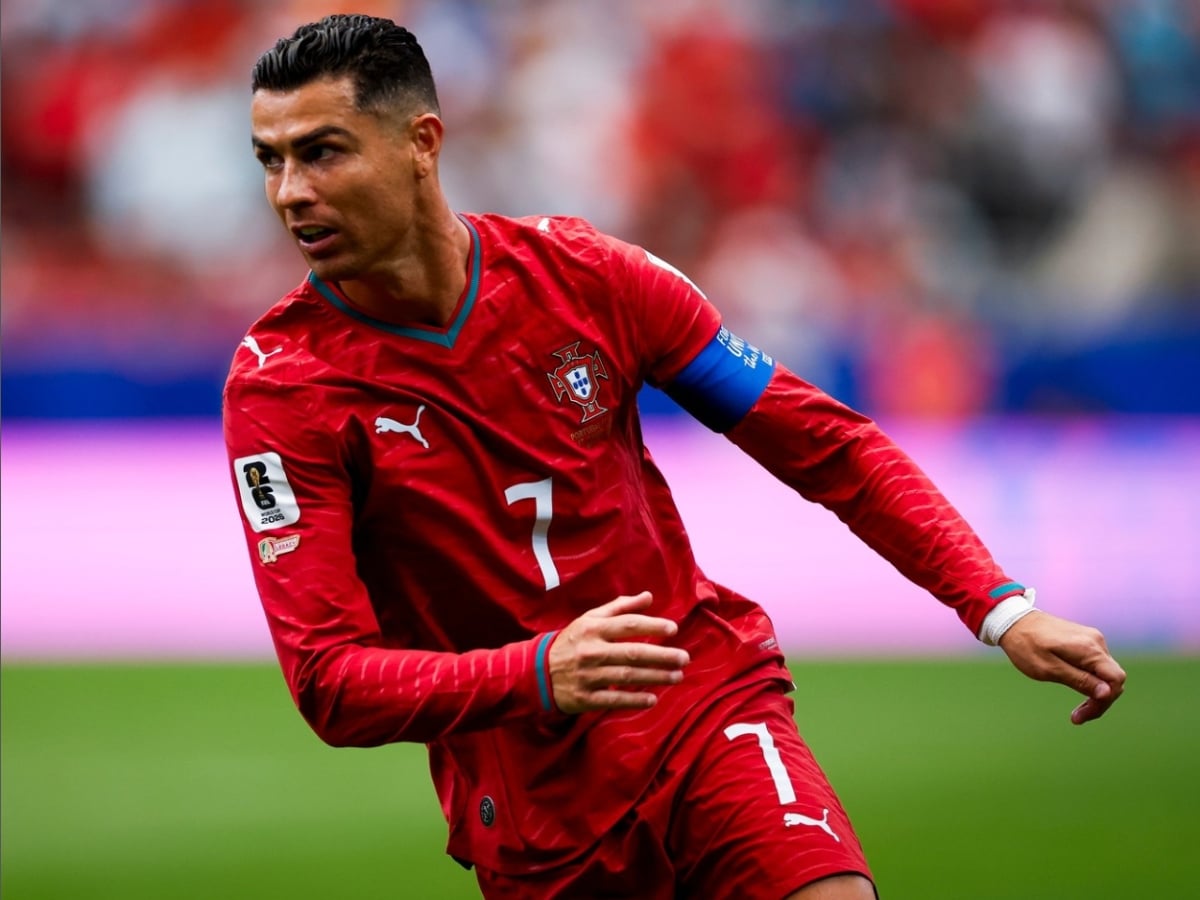
Despite the emergence of younger athletic talent, the upper echelon of the tournament’s financial hierarchy remains dominated by legacy icons Cristiano Ronaldo and Lionel Messi. Both players have transitioned from high-wage athletes to self-sustaining corporate conglomerates, surpassing billionaire status through structured equity positions, lifetime endorsement portfolios, and diversified venture capital holdings. Their sustained wealth-generation capabilities, even past peak physical performance, demonstrate how top-tier sports brands can de-risk their income streams by converting raw athletic performance into highly financialized personal intellectual property.
Sovereign Wealth and the Decentralization of Soccer Capital
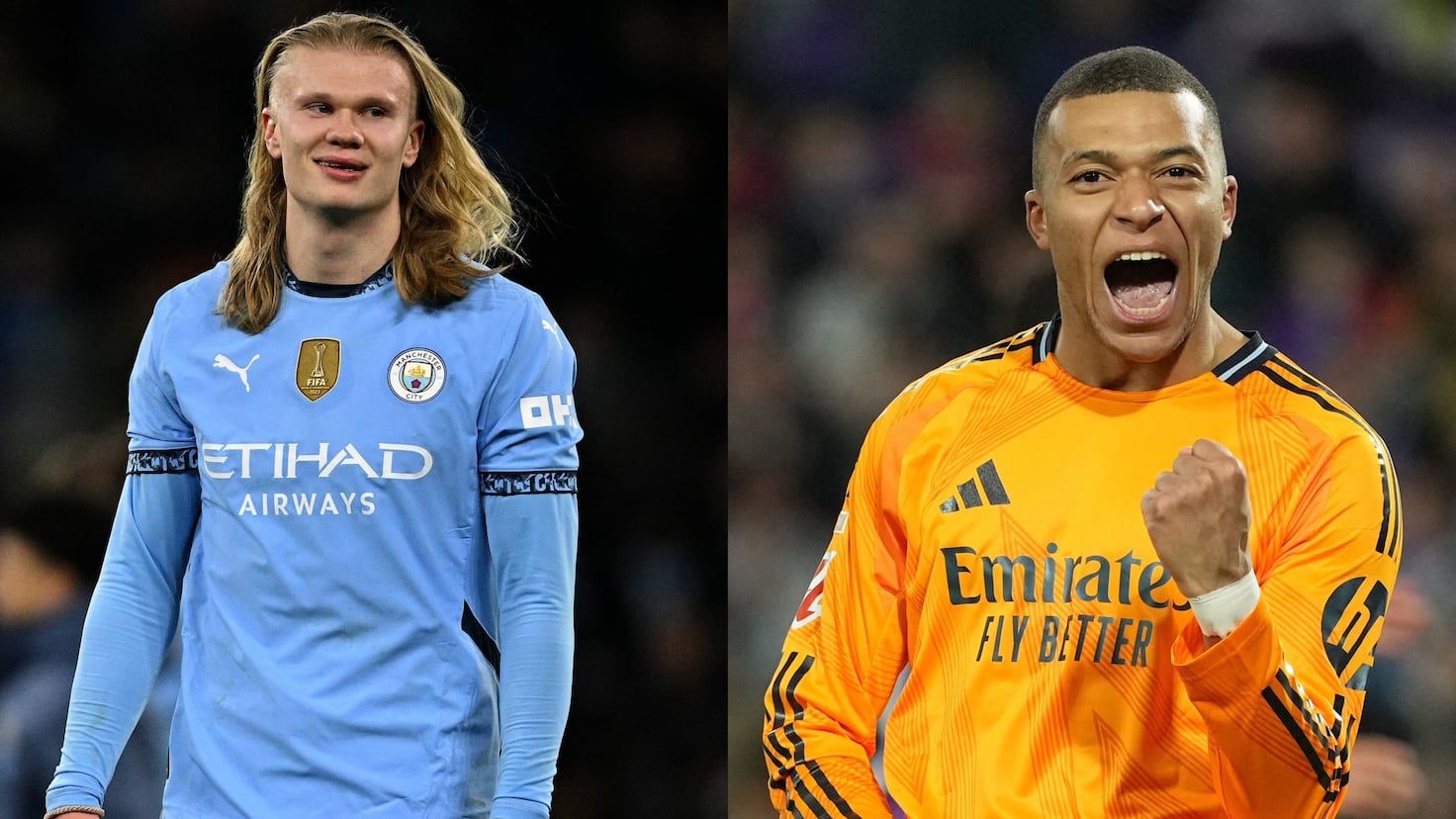
A structural shift characterizing the 2026 cycle is the geographical decentralization of sports capital away from its traditional European core. The aggressive entry of sovereign-backed investment, particularly from Saudi Arabia, has fundamentally altered elite player compensation models. By introducing non-market-conforming capital to acquire and retain top talent, these emerging markets have forced established European leagues to re-evaluate their fiscal sustainability models, squad-cost ratios, and long-term regulatory frameworks to maintain competitive equilibrium.
Multi-Channel Income Diversification: De-risking the Athlete Brand
Modern elite athlete compensation is increasingly decoupled from on-pitch employment contracts. Top-tier players at the 2026 World Cup leverage sophisticated multi-channel monetization strategies, encompassing streaming revenue-share models, digital content networks, and strategic equity in fashion and lifestyle brands. By converting global visibility into scalable digital and physical consumer products, these athletes reduce their reliance on traditional club salary structures, establishing unprecedented levels of operational and financial autonomy.
Institutional Friction: Asymmetric Wealth Distribution and Market Sustainability
The stark financial divide between global icons and the broader player base—such as national team captains like Mat Ryan—highlights the hyper-concentration of wealth within the global soccer ecosystem. This asymmetric distribution model poses systemic challenges for governing bodies, as hyper-inflated player valuations at the top end stress the financial health of mid-tier markets and domestic leagues. Consequently, the 2026 World Cup serves as a microcosm of global economic trends, where commercial centralization disproportionately rewards top-tier talent while squeezing the financial sustainability of smaller sporting markets.
Strategic Outlook for the Global Sports Economy
As the tournament progresses, the financial outcomes realized by its highest-paid participants will likely establish new benchmarks for future contract negotiations, collective bargaining agreements, and sponsorship valuations worldwide. The ability to successfully balance elite on-field performance with cross-border commercial viability remains the ultimate metric for modern sporting institutions. Stakeholders across finance, media, and athletic management will monitor these dynamics to forecast how the intersection of sovereign capital, digital platforms, and athlete empowerment will shape the next decade of the global sports industry.