
Navigating Structural Volatility in the 2026 Knockout Phase
The transition from the group stages to the 2026 World Cup knockout phase marks a fundamental shift in both tactical execution and market valuation. As the tournament moves into a single-elimination format, the introduction of the Round of 32 increases the statistical variance of outcomes, requiring a more rigorous analytical framework for stakeholders and fans alike.
Deconstructing Knockout Betting Architecture
The primary distinction in knockout-stage wagering lies in the divergence between regulation-time markets and qualification-based outcomes. Most standard wagers settle at the 90-minute mark plus stoppage time; however, the ‘to advance’ or ‘to qualify’ markets incorporate the high-leverage variables of 30-minute extra time periods and penalty shootouts. This nuance is critical, as a draw in regulation fulfills a 3-way moneyline bet while simultaneously initiating the secondary ‘to advance’ resolution phase.
Oddsmakers adjust for this by pricing in the psychological and physical fatigue inherent in extended play. The ‘to advance’ market offers a comprehensive risk-management tool, capturing a team’s progression regardless of the specific victory mechanism, whether via tactical dominance in regulation or resilience in a shootout.
Case Studies: Round of 32 Competitive Parity
Early Round of 32 fixtures provide empirical data on how markets assess international form. The matchup between South Africa and Canada exemplifies this: South Africa’s resilience against South Korea established a baseline for their defensive solidity, while Canada’s preparation for high-stakes elimination rounds remains a focal point for scouts. The South Africa ‘double chance’ market at +110 indicates a perceived competitive equilibrium, suggesting that the probability of a draw or South African victory in regulation is higher than traditional underdog pricing might suggest.
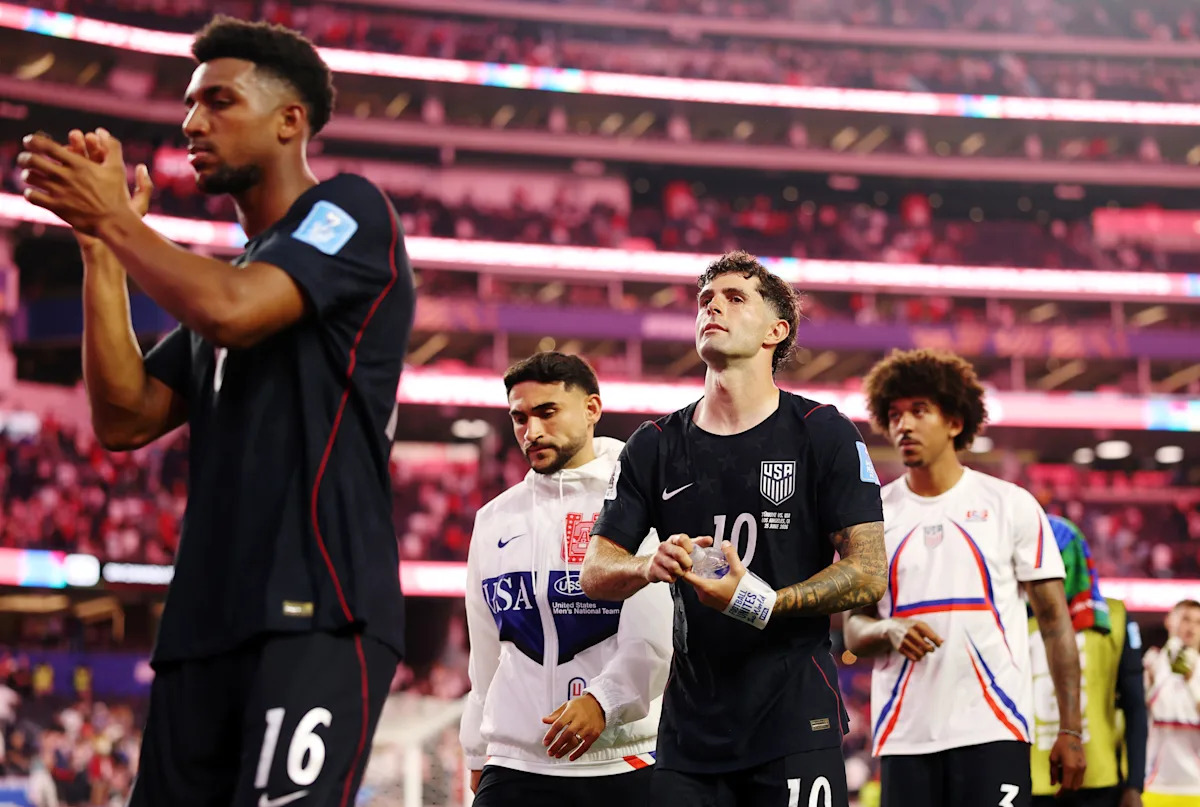
Similarly, the USA vs. Bosnia and Herzegovina fixture highlights the importance of institutional preparation. Market expectations are driven by historical data and recent squad depth, where the pressure of ‘win-or-go-home’ scenarios often exposes depth deficiencies. These matchups are not merely athletic contests but high-stakes economic events where capital movement reacts to real-time tactical adjustments.
Institutional and Economic Implications
For FIFA and global federations, the knockout stage represents the zenith of commercial visibility. The reopening of prediction platforms like Yahoo Sports’ Soccer Pick ’Em with FOX ONE facilitates sustained fan engagement, turning passive viewership into active data participation. This ecosystem is underpinned by FIFA’s regulatory framework, which ensures tournament integrity through standardized protocols for match conduct and dispute resolution.
Economic activity peaks during this phase as broadcasting rights, sponsorship valuations, and betting liquidity are amplified. A team’s progression is not just a sporting achievement but a catalyst for revenue growth and long-term developmental leverage. The strategic recalibration required for each match—balancing offensive risk against defensive security—mirrors the calculated nature of the financial markets surrounding the event.
Finality and Ranking Significance
Beyond the final, the determination of third-place standings and overall tournament rankings carries significant weight for future seeding and national prestige. While the focus remains on the championship, the cumulative performance across the knockout bracket dictates a nation’s standing in the global football hierarchy. This phase of the 2026 World Cup ultimately serves as a high-pressure laboratory for tactical innovation and a major driver of global sports commerce.

Photo by jorono on Pixabay.