
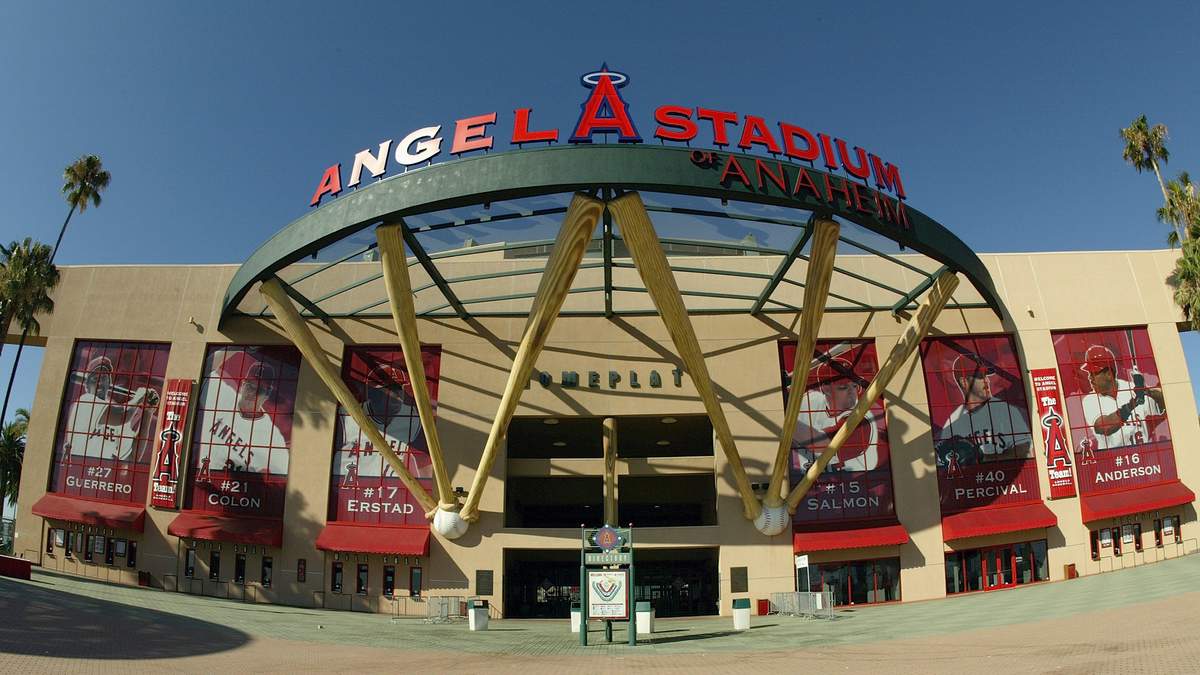
Regulatory Convergence: Land Use as Branding Leverage
California Assembly Bill 2512, designated as the ‘Home Run for Anaheim Act,’ represents a sophisticated shift in municipal strategy. Introduced by Assemblymember Avelino Valencia, the legislation seeks to bridge the gap between a franchise’s physical footprint and its commercial designation. By tethering Surplus Land Act exemptions to the mandatory use of ‘Anaheim’ in the team’s name, the bill utilizes state-level land-use policy as a mechanism to reclaim local geographic rent.
The strategic intent of AB 2512 is to create a statutory ultimatum: the franchise must reconcile its marketing identity with its municipal location to unlock the economic benefits of stadium-adjacent land development. This maneuver highlights an increasing trend where local governments leverage regulatory hurdles to extract non-monetary concessions from professional sports entities.
The Valuation Gap: Global Market Reach vs. Local Equity
The core of the branding conflict is an economic disparity between the Los Angeles and Anaheim media markets. Since the 2005 rebrand, the Angels have utilized the ‘Los Angeles’ moniker to tap into the nation’s second-largest media market, maximizing broadcasting revenue, sponsorship tiers, and international brand recognition. In contrast, stakeholders in Anaheim argue that this strategy constitutes the erasure of local institutional identity.
For the franchise, the Los Angeles designation is a critical asset for player recruitment and regional sports network (RSN) negotiations. For the city, the ‘Anaheim’ name represents over half a century of community investment and the historical legacy of the 2002 World Series title. AB 2512 forces a confrontation between the team’s aspirations as a regional media asset and its obligations as a local community pillar.
Legal Risk and Contractual Implications
The bill introduces significant legal complexity into an already strained relationship. Anaheim Mayor Ashleigh Aitken has initiated investigations into potential lease violations, suggesting that the city may use AB 2512 as a catalyst for broader litigation. The legislation includes a strategic ‘safety valve’: the naming requirement is waived if a separate agreement is reached between the city and the team. This provision confirms the bill’s primary function as a high-stakes bargaining chip in broader negotiations regarding stadium redevelopment and financial transparency.
Economic Risks and Rebranding Logistics
A forced reversion to the ‘Anaheim Angels’ name would necessitate a total operational overhaul. Beyond the capital expenditure required for rebranding stadium infrastructure and retail inventories, the franchise faces the risk of devaluing existing sponsorship contracts predicated on the ‘Los Angeles’ market scale. In the competitive Southern California landscape, losing the metropolitan brand could relegate the team to a secondary-market status, potentially impacting long-term revenue streams and competitive standing in the MLB.
Conclusion: A Precedent for Municipal Governance
The unanimous passage of AB 2512 in the Assembly signals a bipartisan appetite for state intervention in sports branding. As the bill moves to the Senate, it sets a precedent for how municipalities across the United States might utilize land-use regulations to exert control over the commercial identities of the franchises they host. The outcome will define the next era of the Angels’ history and determine whether geographic reality can effectively override market-driven identity strategies.
Photo by PatrickBlaise on Pixabay.