Disputed Diplomatic Overture: The US-Iran Peace Framework & White House Rejection
A contentious report from Iranian state television unveiled what it described as a draft memorandum of understanding between Iran and the United States, proposing a reciprocal peace framework. This alleged document detailed significant concessions: the withdrawal of US military forces from Iran’s immediate vicinity and the cessation of a naval blockade on Iranian ports. In exchange, the framework reportedly stipulated Iran’s commitment to fully restore commercial shipping through the strategically vital Strait of Hormuz to pre-war levels within 30 days. Such a comprehensive proposal, had it been authentic, would signify a profound de-escalation of a long-standing, volatile conflict, with substantial implications for global energy markets and the intricate web of regional stability.
However, the White House swiftly and unequivocally dismissed the Iranian report, labeling the entire framework a “total fabrication” and asserting its untruthfulness. This immediate and forceful denial by a principal party underscores the complex and often contested information environment surrounding high-stakes international diplomacy. The incident highlights the challenges inherent in verifying claims within a geopolitical landscape characterized by strategic communication, information asymmetry, and the deliberate shaping of narratives by state actors.
Strategic Stakes: The Strait of Hormuz & Economic Coercion
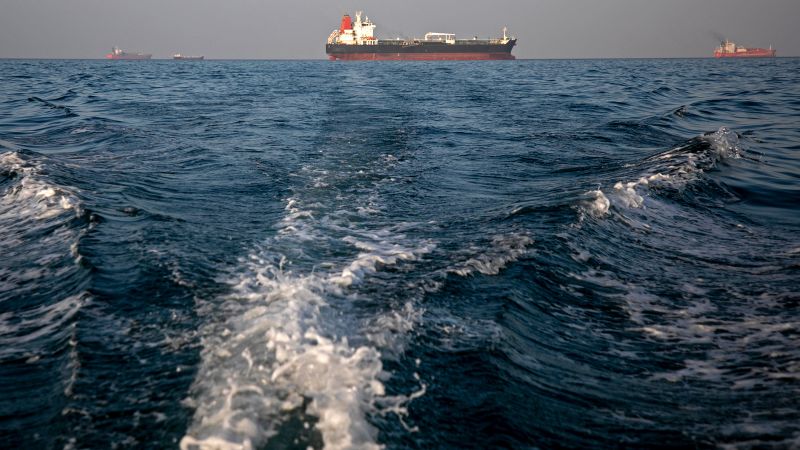
At the core of the alleged framework lay the critical status of the Strait of Hormuz, a global chokepoint through which a significant portion of the world’s oil supply transits. Its full and unimpeded reopening to pre-war shipping levels, as proposed, would exert immediate downward pressure on global energy prices, significantly impacting commodity markets and insurance premiums for maritime transport. This concession highlights the Strait’s immense strategic and economic leverage, particularly in discussions surrounding regional stability and international trade.
Conversely, the cessation of a naval blockade on Iranian ports, another key component of the alleged agreement, speaks to the potent role of economic coercion in contemporary geopolitics. Naval blockades serve as instruments designed to restrict a nation’s access to international markets and vital resources, imposing severe economic costs and fostering substantial uncertainty for global shipping. The prospect of lifting such a blockade underscores its direct impact on Iran’s capacity for international trade and revenue generation, offering a critical pathway for economic relief and reintegration into global commerce.
Regional Security Architecture: US Military Presence & Proxy Dynamics
The alleged stipulation for the withdrawal of US military forces from Iran’s vicinity carries profound operational and strategic ramifications for the regional security architecture. A significant reduction in US military footprint would inevitably alter the existing balance of power, potentially granting increased operational freedom to various state and non-state actors across the Persian Gulf. Such a shift would compel a comprehensive re-evaluation of security guarantees for US allies in the region and profoundly reshape Iran’s strategic calculations concerning its defense postures and broader regional projection of influence. The presence, or indeed absence, of substantial military assets directly underpins deterrence capabilities and the capacity for rapid response to emergent threats, dictating the strategic calculus for all regional players.
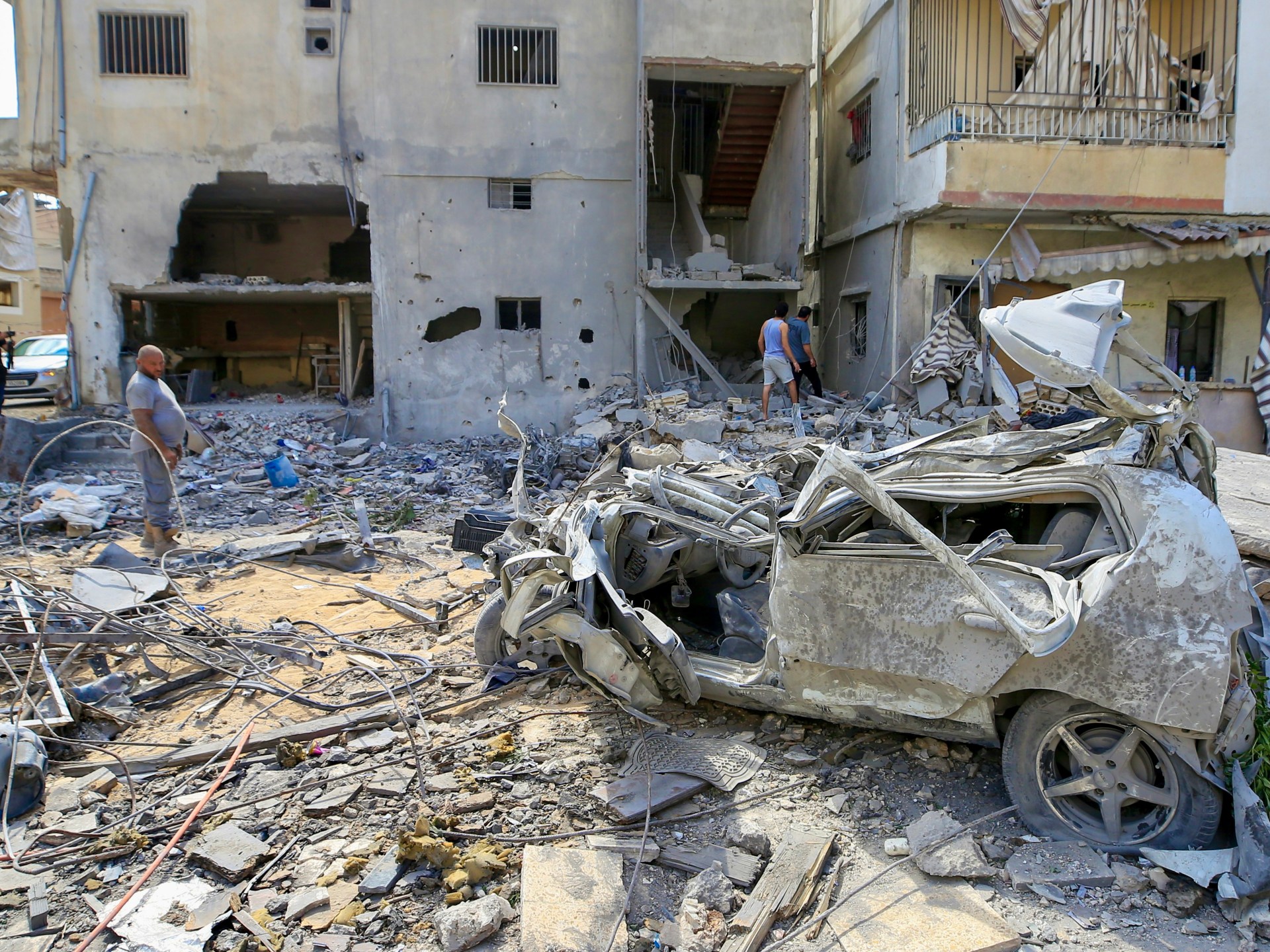
This dynamic is further complicated by persistent regional proxy conflicts, as evidenced by Israel’s recent actions in Lebanon. Concomitant with the reported peace framework discussions, Israel issued additional evacuation warnings for its southern regions and conducted airstrikes against what it identified as infrastructure sites belonging to Iran-backed Hezbollah, resulting in at least 31 fatalities. These targeted actions are a strategic effort to degrade the operational capabilities of non-state actors perceived as threats, while simultaneously managing escalation risks through pre-emptive communication. These ongoing regional skirmishes are intrinsically linked to the broader geopolitical tensions involving Iran, demonstrating how shifts in core power dynamics can immediately influence the tactical and strategic decisions of interconnected stakeholders.
Economic Leverage & Nuclear Constraints: The Sanctions Regime
Further contextualizing the intricate US-Iran dynamic is President Trump’s explicit declaration that Iran would not receive sanctions relief even if it were to surrender its stock of highly enriched uranium. This statement, made during a PBS News interview, unequivocally links comprehensive economic pressure to the core of Iran’s nuclear program and its enrichment capabilities. The possession of highly enriched uranium remains a pivotal concern in international non-proliferation efforts, making its relinquishment a key, enduring demand in any negotiation.
Trump’s firm stance reinforces the administration’s broader strategy of deploying extensive sanctions as a primary instrument of leverage. The objective is to compel fundamental alterations in Iran’s nuclear policy, emphasizing the substantial economic costs consistently associated with non-compliance. This sustained economic pressure shapes not only Iran’s strategic calculus but also impacts its capacity to fund regional activities, underscoring the multi-layered application of economic coercion.
Information Control, Political Pressures & Narrative Management
In a volatile environment where information itself becomes a strategic asset, both nations exhibit mechanisms for narrative control. Domestically, Iran implemented new restrictions on messaging and app stores, following a partial easing of a nearly 90-day internet blackout, as reported by an internet watchdog. These measures underscore the state’s calculated strategy to manage information flow, suppress internal dissent, and maintain stability, especially amidst escalating external tensions. The oscillating application of internet restrictions suggests a sophisticated balancing act between quelling public discontent and controlling the narrative, with significant operational impacts on civil society, economic activity, and access to independent news.
Simultaneously, President Donald Trump’s convening of a Cabinet meeting amidst pressure to resolve the ongoing “war” highlights the substantial domestic political capital invested in de-escalation efforts. This high-level deliberation signifies a strategic review of current policy, seeking viable pathways for resolution that align foreign policy objectives with crucial domestic political imperatives, particularly public opinion and electoral cycles. The imperative to demonstrate tangible progress can profoundly influence diplomatic approaches and strategic decision-making.
The contrasting roles of state media and official spokespersons are central to this information landscape. Iranian state television’s dissemination of the alleged peace framework serves as a potent instrument for communicating official or semi-official positions, potentially gauging international reactions or shaping domestic sentiment. Conversely, the White House’s immediate and categorical rebuttal exemplifies the critical function of official channels in managing public perception and safeguarding diplomatic credibility. This dynamic interplay necessitates rigorous scrutiny from independent media and international observers to differentiate between verifiable factual developments and strategically deployed messaging.
Synthesizing Geopolitical Dynamics: Interplay and Stakeholder Impact
The intricate confluence of these disparate yet interconnected events—a highly disputed peace proposal, overt domestic political maneuvers, stringent internal information controls, persistent regional military actions, and explicit declarations regarding sanctions—illuminates a complex, multi-layered web of diplomatic, informational, and coercive strategies. Each action, whether a carefully worded public statement or a targeted military strike, contributes significantly to a broader, evolving geopolitical narrative, underscoring the multi-faceted nature of international relations in this volatile region.
This intricate interplay profoundly shapes perceptions, directly influences stakeholder behavior, and ultimately dictates the parameters for any potential future negotiations. The rapid and emphatic denial of the alleged draft memorandum, set against a backdrop of sustained military posturing and economic pressures, exemplifies a high-stakes environment where information is as potent as military force.
Consequently, these reported developments expose a broad spectrum of stakeholders to distinct and significant consequences. Global energy markets confront inherent volatility, directly tied to the contested status of the Strait of Hormuz, impacting investors, consumers, and national economies reliant on oil imports. Regionally, allies of both the United States and Iran are profoundly affected by shifts in military presence and the trajectory of proxy conflicts, influencing their security postures, strategic alliances, and long-term stability. Domestically, the Iranian populace grapples with the direct implications of internet restrictions and economic sanctions, impacting daily life, economic opportunity, and access to unbiased information. Concurrently, the US administration must meticulously navigate complex domestic political pressures while striving to project strength and unwavering resolve on the international stage, with direct implications for its foreign policy legacy and future electoral prospects.
Long-Term Outlook & The Enduring Challenge of Contested Narratives
The persistent cycle of military posturing, economic sanctions, information disputes, and the contested nature of diplomatic overtures carry significant long-term strategic implications for both regional security and broader international relations. This dynamic risks entrenching instability, rendering the pursuit of comprehensive and lasting peace agreements increasingly elusive in a region historically characterized by deep grievances and intricate alliances. The documented events underscore the enduring challenge of reconciling profoundly divergent national interests and security paradigms, with future trajectories dependent on the capacity of key actors to navigate these multifaceted pressures while meticulously managing the inherent risks of escalation.
Crucially, the assessment of these developments must always acknowledge their inherent limitations, stemming directly from the conflicting accounts provided by primary sources. The report from Iranian state television detailing a draft memorandum remains an unverified claim, definitively contradicted by the White House’s unequivocal denial. Therefore, any rigorous analysis must proceed with the explicit understanding that the foundational factual basis for a potential peace framework is not merely disputed but fundamentally contested. This reality powerfully underscores the pervasive challenges of transparency and trust in high-stakes international negotiations, where the documented events primarily reflect an ongoing dynamic of assertion and counter-assertion within a complex, often opaque geopolitical environment, rather than signaling a confirmed diplomatic breakthrough.