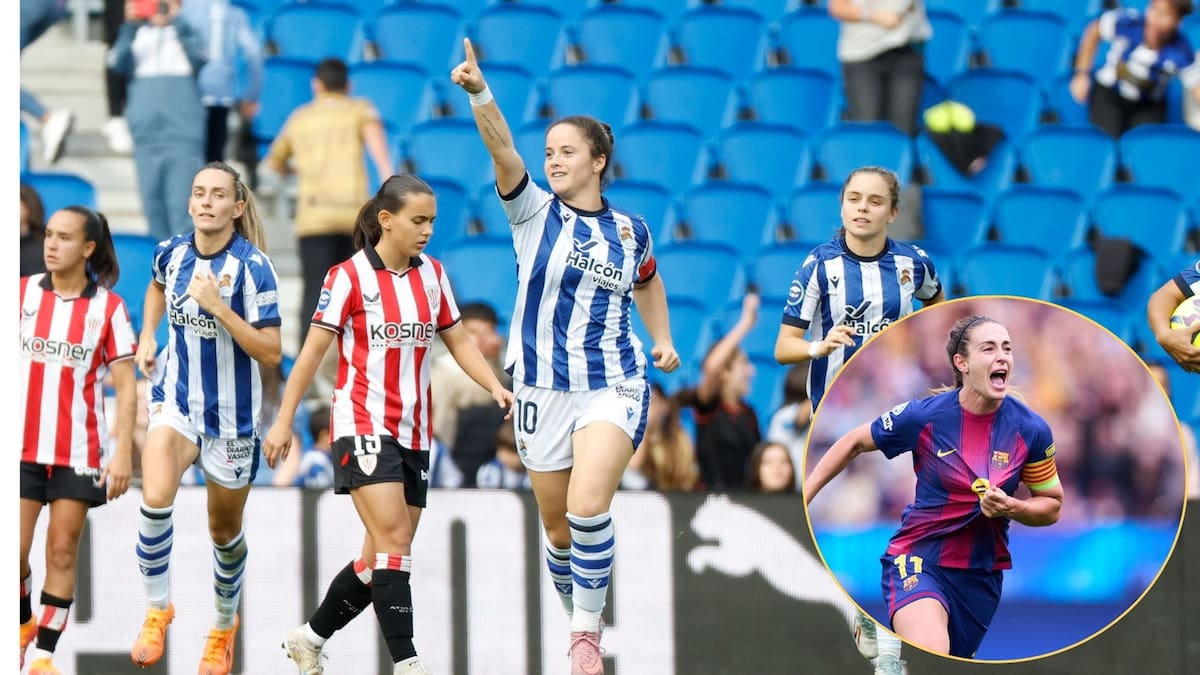
Strategic Context of the Liga F Finale
The 29th round fixture between FC Barcelona and Real Sociedad serves as a critical juncture for the domestic calendar. With Barcelona having secured the league title and UEFA Champions League trophy, the match offers a metric-driven assessment of their domestic supremacy, characterized by 27 victories and a +116 goal differential. This performance gap forces a wider structural recalibration among competitors regarding scouting and tactical resource allocation.
Real Sociedad’s Competitive Objective
Real Sociedad enters the Johan Cruyff Stadium targeting European qualification consolidation. The visitors provide a unique case study in tactical disruption, remaining the only institution to have defeated Barcelona this season. Leveraging the precedent of their November victory via an Edna Imade penalty, the club seeks to validate their developmental progress against a high-pressing, possession-dominant system.
Institutional Transition and Legacy Management
The fixture marks the final appearance of Alexia Putellas, signaling a pivotal shift in Barcelona’s brand architecture and on-field leadership. Following 14 seasons, her departure necessitates a strategic evolution in squad development. For stakeholders, this transition highlights the intersection of individual athlete brand equity and the institutional continuity required to sustain elite-level performance in the professional women’s football landscape.
Operational Performance and Tactical Depth
Barcelona’s recent Champions League success underscores the effectiveness of Pere Romeu’s tactical implementation. The club’s ability to sustain high-intensity operational outputs across multiple tournaments suggests an advanced level of squad depth and physical management. Conversely, Real Sociedad faces the challenge of maintaining competitive integrity against a clinical defense, with the match outcome significantly influencing the final league hierarchy and coefficients for the next fiscal cycle.
Systemic Implications for Liga F
The polarization of performance metrics within Liga F reflects broader European trends where tactical infrastructure investment is increasingly correlated with tournament success. For the league, the sustainability of competitive friction remains essential for commercial growth and broadcast valuation. The ability of mid-to-top tier institutions to bridge the investment gap remains the primary variable in the long-term maturation of the Spanish women’s football market.