Marlins Clinch Series Opener as Mets’ Offensive Woes Deepen
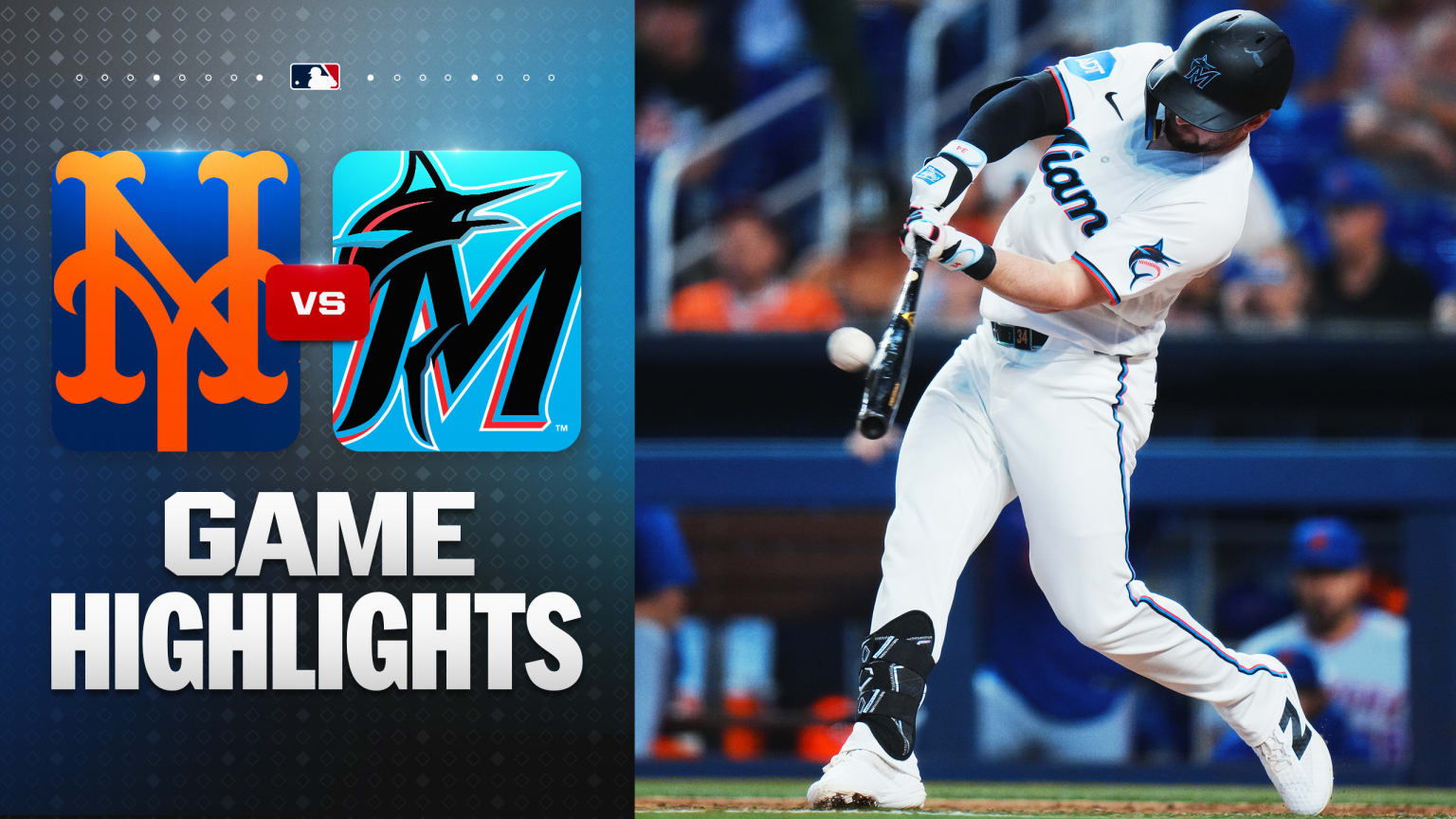
The Miami Marlins secured a 4-1 victory against the New York Mets on May 23, 2026, propelled by a standout performance from Liam Hicks, who hit two home runs, and seven scoreless innings from pitcher Max Meyer. This win clinches the series opener for the Marlins, underscoring a critical weakness in the Mets’ current competitive strategy.
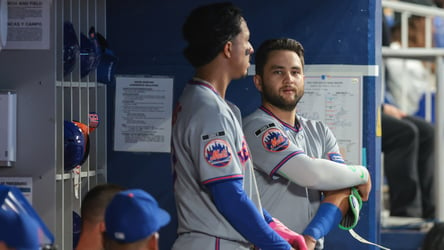
The Mets’ offensive output has been a consistent point of concern, with identical lines of one run on three hits recorded in both losses to the Marlins this weekend. This recurring pattern points to systemic issues beyond isolated performances, placing significant pressure on the team’s offensive strategy and player development.
Mets Manager Carlos Mendoza acknowledged the Marlins’ pitching effectiveness but stated his team possesses a higher performance ceiling. This suggests a disconnect between perceived potential and on-field execution, requiring immediate strategic intervention.
Starter Freddy Peralta’s seven-inning outing marked a season first but was characterized as mixed, indicating a lack of consistent dominance despite extended mound time. This highlights a challenge in shutting down opposing offenses reliably.
Mendoza’s pitching plan, with Christian Scott and Nolan McLean slated to start upcoming games, signals a proactive approach. However, reliance on these arms amidst offensive struggles necessitates exceptional pitching performance to compensate for run-scoring deficits.
Roster adjustments, including the call-up of Jonathan Pintaro and optioning Zach Thornton, reflect ongoing bullpen evaluation. These tactical moves address relief pitching but do not resolve the core issue of insufficient offensive support.
Liam Hicks’ dual home run performance was decisive for the Marlins and emphasized the impact of individual offensive power on series outcomes. The Mets’ inability to generate consistent offense against the Marlins, who have taken the first two games, highlights a significant competitive disadvantage.
The strategic implications for the Mets are substantial. A prolonged offensive slump directly impacts their win potential, jeopardizing league standing and potentially influencing future roster and investment decisions. Pressure mounts on management to identify and implement solutions to revitalize the offense.
Performance disparities can influence market perceptions and fan engagement. Consistent offensive struggles can lead to decreased attendance, reduced media interest, and negatively impact team valuation, creating a ripple effect across the organization.
The Marlins, conversely, are leveraging pitching depth and timely hitting to gain an early series advantage. This strategy capitalizes on their strengths and exploits Mets’ weaknesses, potentially leading to significant shifts in divisional standings and playoff aspirations.
The Marlins’ ability to secure key victories through standout individual performances like Hicks’ and solid pitching from Meyer demonstrates execution under pressure. This contrasts sharply with the Mets’ predicament, where offensive stagnation prevents them from capitalizing on adequate pitching efforts, such as Peralta’s start.
The organizational response to these offensive deficiencies will be critical. It may necessitate deeper dives into player development, scouting for offensive talent, or strategic trades for proven run-producers. The current trajectory suggests a challenging season ahead for the Mets without significant offensive improvement.
The Marlins’ success in this series is about establishing a competitive foothold and demonstrating consistent performance, building momentum and confidence crucial for sustained success.
For the Mets, immediate focus must be on diagnosing the root causes of their offensive struggles, requiring a comprehensive and urgent solution to prevent the season from slipping away.
Strategic decision-making at managerial and executive levels will be scrutinized. Adapting to challenges, making effective personnel changes, and refining offensive strategies will determine the Mets’ ability to compete against teams like the Marlins, who are capitalizing on their strengths.
The Marlins’ pitching staff, by consistently stifling the Mets’ offense, creates a favorable environment for their hitters. This symbiotic relationship between pitching and hitting is a hallmark of successful teams.
The Mets’ situation underscores the delicate balance in professional baseball. Competent pitching can be rendered insufficient by the absence of a potent offense, leading to frustrating losses and a widening competitive gap.
Liam Hicks’ performance serves as a stark reminder of the impact individual offensive power can have, capable of altering game outcomes—a capability the Mets currently lack.
The Marlins’ strategic advantage is amplified by their ability to generate runs when it matters most. This offensive efficiency, coupled with strong pitching, positions them favorably and places the Mets in a reactive position.
Marlins’ organizational depth, demonstrated by their ability to secure wins through multiple players and effective pitching, suggests a well-rounded team, contrasting with the Mets’ apparent over-reliance on individual brilliance that has not materialized consistently.
Repeated offensive failures can erode a team’s belief in its ability to win, creating a psychological hurdle often as difficult to overcome as tactical deficiencies.
The Marlins’ current success is built on solid pitching and timely hitting, a formula effective for securing early series wins and a key differentiator in a competitive league.
For the Mets, the path forward requires a fundamental re-evaluation of their offensive approach and personnel. Current performance metrics indicate significant adjustments are necessary to regain competitive parity.
The Marlins’ ability to capitalize on Mets’ struggles highlights the importance of consistent performance and strategic execution, with their series lead a direct consequence of performing at a higher level.
The Mets’ offensive issues represent a fundamental challenge to their competitive viability, requiring a multifaceted approach that considers immediate tactical adjustments and long-term strategic planning.
The Marlins’ performance demonstrates the power of collective execution and individual brilliance working in tandem, setting a standard the Mets must strive to meet.
Strategic decisions made by both organizations will shape their respective seasons: for the Marlins, building on momentum; for the Mets, finding solutions to a critical problem.
The Marlins’ victory is a testament to their ability to exploit opponent weaknesses and capitalize on their own strengths, a crucial strategic advantage in professional baseball.
The Mets’ offensive struggles are a significant impediment to their aspirations, and the current series outcome underscores the urgency of addressing this issue.