The Financial Architecture of the Indianapolis 500
The Indianapolis 500 acts as the primary economic engine of the IndyCar Series, consistently setting records for total prize purses. Surpassing the $20 million threshold for the 2025 and 2026 seasons, the event represents a concentrated infusion of capital into the motorsports industry, driven by a sophisticated synthesis of sponsorship revenue, broadcasting rights, and commercial incentives.
The Mechanics of the Winner’s Payout
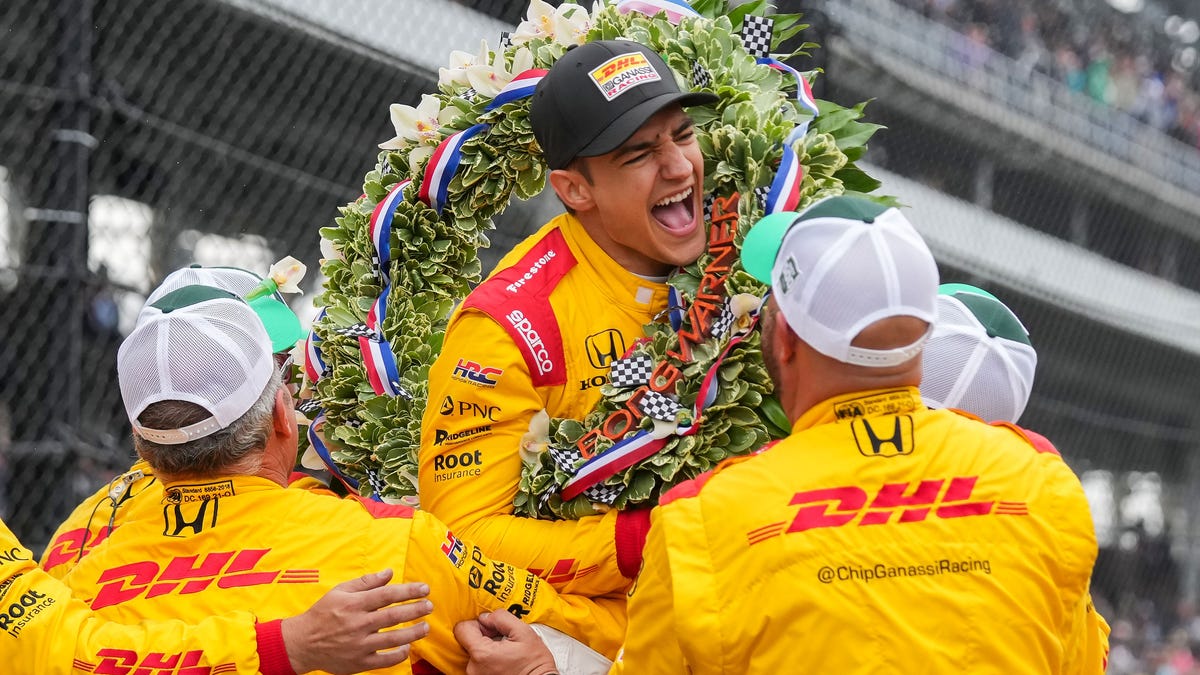
Payouts are derived from a granular matrix of performance metrics, including qualifying speed, race position, and lap-leading bonuses. The variance in payouts—exemplified by Josef Newgarden’s $4.288 million in 2024 versus Alex Palou’s $3.833 million in 2025—demonstrates how performance-based bonuses and rollover incentives, such as those provided by BorgWarner, create financial volatility that rewards sustained excellence. For teams, these payouts are essential capital for operational budgets and long-term technical R&D.
Historical Capital Trends
Since the early 2000s, the Indy 500 purse has maintained a robust upward trajectory, exceeding $10 million annually since 2002 (with the exception of the pandemic-impacted 2020-2021 period). The transition from a $9.4 million purse in 2000 to the current $20 million-plus benchmark reflects the event’s unique status as a high-stakes commercial platform for automotive manufacturers and global corporate sponsors.
Strategic Stakeholder Implications
For racing teams, the purse is a foundational component of annual financial viability. The high-risk, high-reward nature of the event necessitates extreme operational precision, impacting everything from pit crew efficiency to aerodynamic optimization. This symbiotic relationship between commercial investment and athletic output ensures that as the purse grows, the threshold for technical competitiveness rises, favoring organizations with significant institutional backing.
Institutional Stability and Future Outlook
The Indy 500’s financial growth provides a level of institutional stability rare in professional sports. By aligning competitive integrity with clear monetary incentives, the event has successfully navigated shifts in the sports media landscape. Its ability to attract sustained capital suggests it will remain the premier event in American auto racing, provided it continues to evolve its digital engagement and broadcasting strategies to match its fiscal scale.