
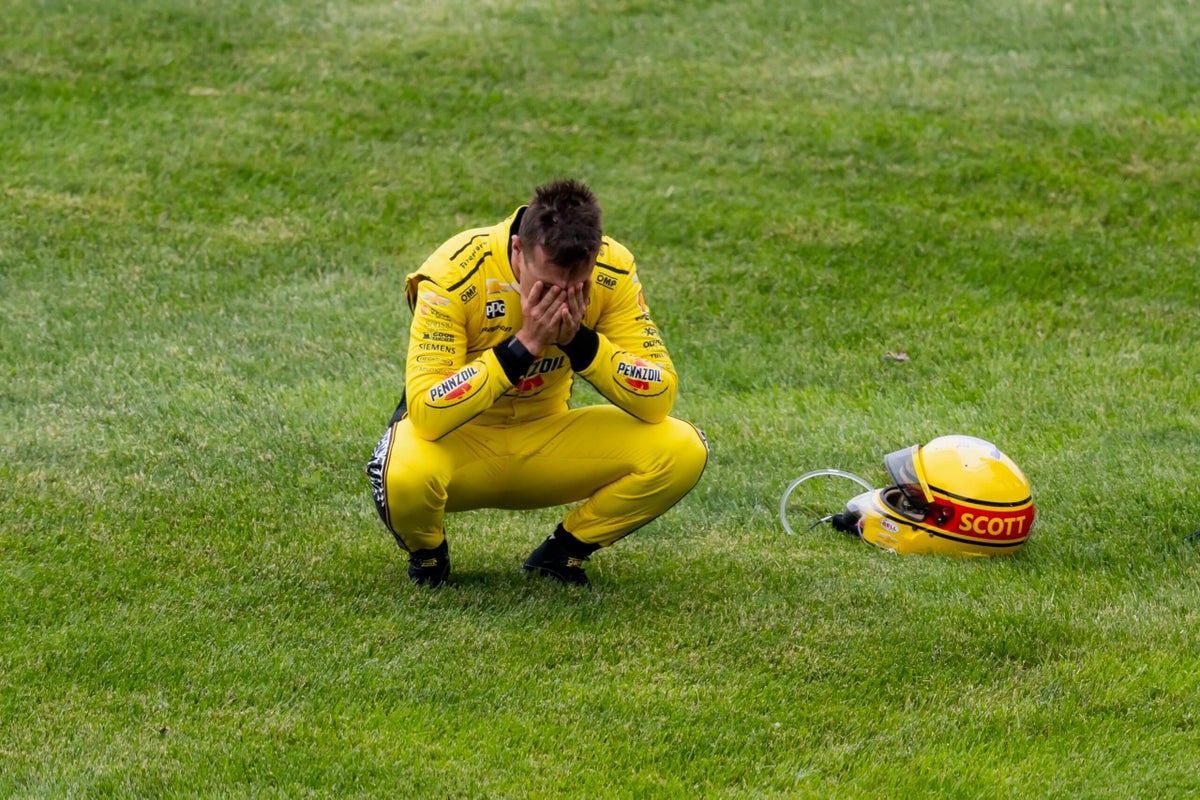
The 2026 Indianapolis 500 serves as a critical case study in institutional resilience for Team Penske and Scott McLaughlin. Following a catastrophic systemic failure in 2025—where a pace-lap spin in Turn 1 eliminated the entry before the green flag—the 2026 campaign is less about speed and more about the restoration of operational integrity. This incident created a vacuum in performance data and a total loss of capital efficiency, necessitating a comprehensive strategic pivot to reclaim the team’s competitive standing.
The 2025 collapse occurred during the critical phase of thermal management. As McLaughlin attempted to generate heat in the Firestone compounds, a loss of lateral stability resulted in a total chassis loss. Beyond the mechanical destruction, the failure neutralized the ROI for primary sponsors who rely on the visibility of a 200-lap event. Consequently, the 2026 return is a commercial imperative, designed to stabilize partner relations and prove that Penske’s technical protocols can mitigate such high-consequence human errors.
Economic Impact and Data Deficits
The financial ramifications of a pre-race DNF extend into the team’s season-long development. By failing to complete a single competitive mile in 2025, the #3 crew entered a data deficit, forced to rely on 2024 metrics while rivals refined their setups in real-time. To compensate, the 2026 preparation has leaned heavily on simulation and shaker-rig testing to bridge the two-year gap in atmospheric and aerodynamic data. The organizational pressure is compounded by the need to justify the reinvestment of resources into a driver-chassis combination that previously yielded zero track-time utility.
Psychological Fortitude and Performance Risk
McLaughlin’s recovery hinges on his ability to navigate the psychological burden of a self-inflicted error on a global stage. While his 2024 performance (leading 66 laps) established his elite ceiling, the 2025 incident became a reputational floor. The 2026 strategy likely prioritizes risk mitigation during the formation laps, employing stricter telemetry monitoring and conservative tire-warming boundaries to ensure the car reaches the first pit cycle, thereby allowing the driver to settle into a productive rhythm and neutralize the ‘worst moment’ of his career.