Blue Jays’ Pitching Innovation: A Microcosm of Macro-Level Organizational Strategy
The Toronto Blue Jays’ decision to initiate their series finale against the New York Yankees with Braydon Fisher as an opener, subsequently transitioning to Spencer Miles for bulk innings, transcends a mere tactical adjustment. This strategic deployment serves as a salient illustration of sophisticated operational shifts, data-driven human capital management, and proactive risk mitigation characterizing modern professional sports franchises. Far from an isolated game-day decision, it reflects a deliberate, institution-wide adaptation to optimize performance, manage high-value assets, and maintain competitive integrity within MLB’s demanding economic and athletic landscape.
Operational Efficiency and Human Capital Optimization in Real-Time
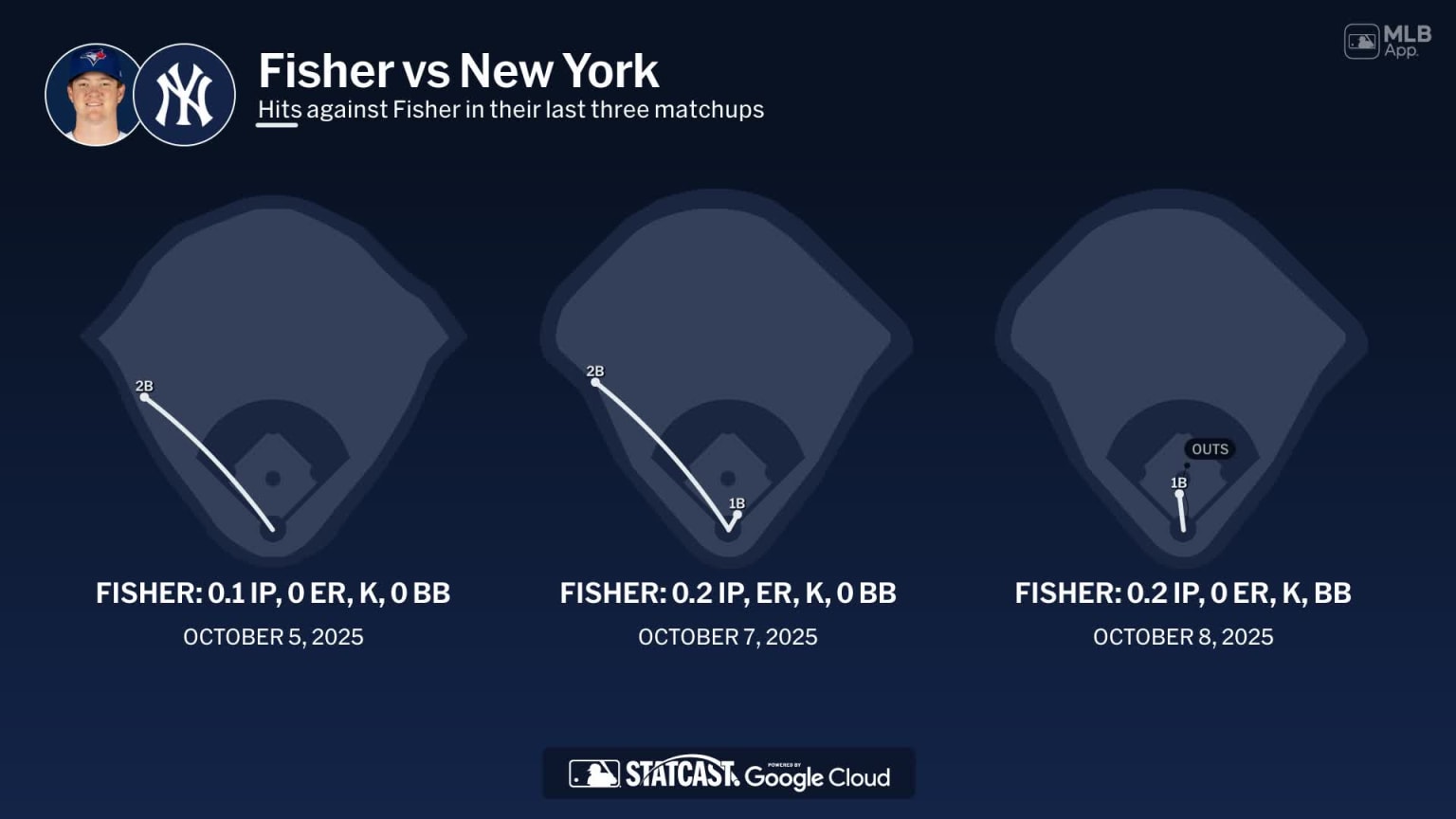
The opener-bulk reliever strategy, exemplified by Fisher and Miles, represents a granular approach to maximizing pitching effectiveness against an opponent’s batting order. Fisher, with a 3.08 ERA across 26.1 innings and prior opener experience on April 17, is deployed to neutralize the high-leverage top of the Yankees’ lineup, leveraging his specialized skill set for initial, critical outs. This mitigates early-game scoring threats, a crucial objective in high-stakes divisional matchups. Following Fisher, Miles, who demonstrated capacity for extended work with 3.2 innings and 56 pitches against the Detroit Tigers, assumes the bulk responsibilities, providing stable, multi-inning relief. This tandem approach optimizes individual pitcher strengths, manages pitch counts across the staff, and strategically allocates high-leverage assignments, thereby enhancing overall bullpen efficiency and prolonging the effectiveness of the pitching staff over the course of the season.
Navigating Asset Constraints and Financial Exposure Through Strategic Agility
This tactical innovation is directly linked to the Blue Jays’ current roster constraints, most notably the vacant rotation spot and the absence of high-value injured pitchers like Max Scherzer and Shane Bieber. The unavailability of such marquee assets—representing substantial capital investments in contracts and future performance—creates a significant financial exposure and an operational void. The Blue Jays’ strategy is thus a direct response to mitigating the performance deficit caused by these injuries, requiring creative internal solutions to maintain competitiveness without compromising the long-term health and return-on-investment of these key assets. Managing the recovery timelines and eventual reintegration of players like Scherzer and Bieber involves complex financial and strategic planning, balancing immediate competitive needs with the imperative of protecting substantial organizational investments.
Managerial Philosophy: Fostering Consistency Amidst Dynamic Adaptation
Manager John Schneider’s articulation of a desire for “consistency in pitching roles” underscores a deliberate organizational philosophy. This emphasis, even within an unconventional pitching strategy, highlights an effort to establish clear expectations and defined roles for players. In an environment of constant tactical flux, fostering role clarity is critical for player development, morale, and overall team cohesion. This managerial stance reflects a broader institutional adaptation within professional sports, where data-driven specialization and flexible deployment are increasingly prioritized. The pursuit of strategic consistency aims to embed these new operational models into the team’s core identity, cultivating a culture of adaptability and specialized performance that is sustainable.
Performance Metrics, Market Positioning, and Revenue Implications
The Blue Jays’ strategic shift holds significant competitive implications, particularly in a series where they seek to salvage a split against a formidable rival. Success in such high-stakes contests directly influences the team’s market positioning, impacting fan engagement, media narratives, and ultimately, the commercial viability of the franchise. Consistent competitive performance, even when achieved through innovative operational means, is essential for maintaining strong brand presence and securing long-term revenue streams from ticketing, merchandise sales, and broadcasting rights. The outcomes of these strategic gambits are closely scrutinized by fans, media, and investors alike, shaping public perception and directly influencing the economic health of the organization.
Addressing Operational Vulnerabilities: Lessons from Historical Performance
The impetus for such strategic adjustments is often rooted in past performance challenges. The Blue Jays’ recent struggles, including their performance in the initial games of the current series and the collapse in the 2025 American League Divisional Series—highlighted by a seventh-inning breakdown against Yariel Rodriguez and a ninth-inning run permitted by closer David Bednar—underscore existing operational vulnerabilities within the team’s structure. These historical patterns inform current strategic decisions, driving the organization to explore alternative pitching deployments to shore up perceived weaknesses. The opener-bulk reliever model can thus be viewed as a proactive response to distribute high-leverage situations more effectively, aiming to mitigate the risk of late-game collapses and enhance overall reliability, directly addressing past performance deficits that have had a tangible impact on fan sentiment and playoff revenue potential.
Evolving Talent Pipelines: The New Paradigm of Player Development
The increasing adoption of specialized pitching roles fundamentally alters the traditional definition of a starting pitcher, necessitating a re-evaluation of player development pipelines. Organizations must now cultivate a diverse array of pitching talent, capable of excelling in highly specialized, short-burst assignments or handling extended, multi-inning roles with varying intensity. This paradigm shift impacts scouting methodologies, minor league development curricula, and contract negotiation strategies. Players are increasingly valued not solely for their ability to pitch deep into games, but for their effectiveness in specific, high-leverage situations. Institutional investment in developing these specialized roles reflects a forward-looking approach to talent management, designed to create a competitive advantage through a more adaptable and strategically segmented pitching staff.
Broader Industry Trends: Competitive Convergence and Strategic Imperatives
The Blue Jays’ embrace of the opener strategy is not an isolated phenomenon but part of a broader industry trend within Major League Baseball. Driven by advancements in analytics and a deeper understanding of pitcher performance dynamics, many organizations are exploring non-traditional pitching deployments to gain a competitive edge. This competitive convergence compels teams to continuously innovate and adapt their operational models to remain at the forefront. Successful implementation of such strategies sets new benchmarks for efficiency and effectiveness, influencing how talent is scouted, developed, and deployed across the entire league. This fosters a dynamic environment where strategic innovation becomes a prerequisite for sustained competitive relevance and market leadership in professional baseball.
Long-Term Strategic Outlook: Building Organizational Resilience and Sustainable Success
Ultimately, the Blue Jays’ current pitching strategy is emblematic of a wider organizational commitment to building resilience in the face of unforeseen challenges, particularly significant player injuries and the inherent unpredictability of a demanding season. By developing flexible operational models and cultivating specialized talent, the franchise aims to maintain competitive viability even when key assets are unavailable. This long-term strategic outlook prioritizes adaptability and depth, recognizing that sustained success in professional sports demands more than just star power. It requires a robust, adaptable system capable of navigating uncertainties and ensuring consistent performance. The ongoing adjustments to pitching roles are a testament to this commitment to organizational resilience, continuous improvement, and the strategic pursuit of long-term sustainable success.
The Interconnected Ecosystem: Performance, Revenue, and Fan Loyalty
In the complex ecosystem of professional sports, tactical decisions on the field are inextricably linked to the financial health and long-term sustainability of the franchise. On-field performance directly impacts fan interest, which in turn drives critical revenue streams from ticket sales, broadcasting rights, and corporate sponsorships. A proactive and innovative approach to managing competitive challenges, even through unconventional means like the opener strategy, can reinforce the bond with the fan base, signaling a commitment to winning and strategic foresight. This interplay between competitive performance, revenue generation, and fan loyalty forms the core economic engine of a professional sports organization, underscoring how every strategic operational choice carries significant financial and brand implications.