The Institutional Threshold: Defining the Memorial Day Pivot
In the administrative lifecycle of a Major League Baseball season, the Memorial Day weekend serves as the primary quantitative stabilizer. Organizations transition from reacting to high-variance early-season anomalies toward a data-driven audit of systemic roster efficiency. This checkpoint represents the moment where sample sizes—specifically in plate appearances and innings pitched—reach the threshold of statistical significance required for high-stakes capital allocation and trade deadline forecasting.
The Atlanta Braves: Institutional Stability and Depth Optimization
The Atlanta Braves’ position at the apex of the league (maintaining a .650+ winning percentage) is a byproduct of superior organizational architecture rather than mere star-power output. Their ability to absorb volatility in the rotation—highlighted by the integration of prospects such as Spencer Schwellenbach into the developmental pipeline—underscores a robust scouting and player-development apparatus. The Braves operate as a model of sustained dominance, where core veteran production provides a floor that mitigates the inherent risks of minor-league promotion cycles.
The Philadelphia Phillies: Rotational Dominance and Roster Normalization
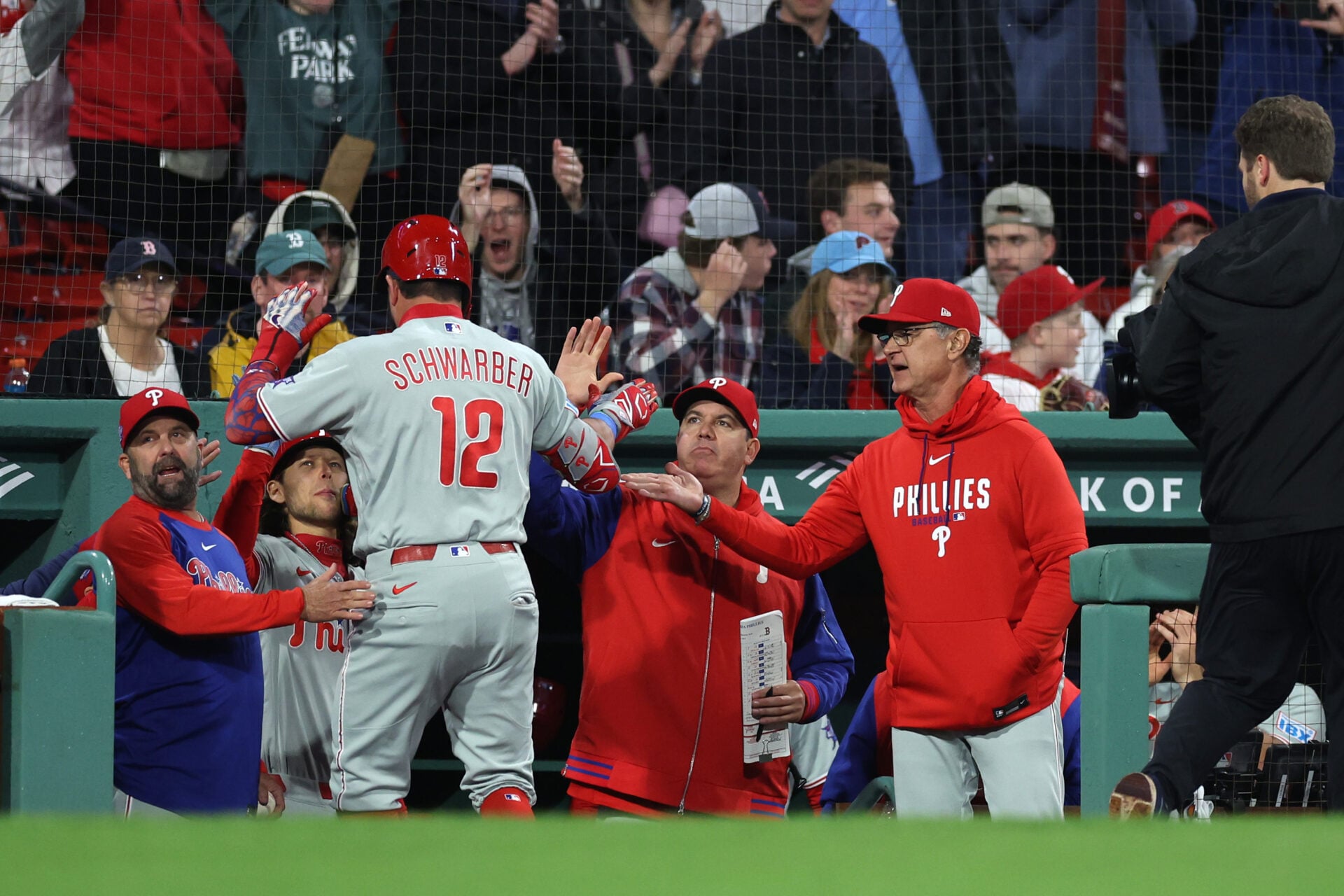
The 2024 Philadelphia Phillies have pivoted from a high-variance, home-run-dependent unit to a balanced powerhouse defined by elite starting pitching. Unlike previous seasons characterized by slow starts, the current iteration has leveraged a stabilized management structure to secure the best record in the National League by late May. The normalization of elite production from Bryce Harper and Kyle Schwarber, following typical early-season cold-fronts, validates the front office’s commitment to veteran stability. The upcoming window will determine if this defensive and pitching efficiency is a permanent shift in the club’s competitive identity.
The Ohtani Paradigm: Quantifying Multi-Dimensional Asset Value
Shohei Ohtani continues to disrupt traditional player valuation models. With an OPS consistently exceeding 1.000, his offensive output alone justifies a record-breaking contract; however, his long-term strategic value lies in his dual-threat potential. This ‘roster-spot surplus’ allows the organization to optimize the 26-man roster with greater flexibility. As Ohtani maintains an elite trajectory, the contrast with other high-profile stars facing regression or injury highlights the rarity of his consistent, high-ceiling performance metrics.
Market Pressure and the New York Mets’ Sunk Cost Dilemma
The New York Mets represent the intersection of high financial investment and underwhelming performance. The rising ‘panic meter’ is a reflection of institutional pressure where the cost of failure is amplified by a high luxury-tax payroll. Analysts observe that the period between Memorial Day and July 4 is critical for the Mets to avoid a ‘sunk cost’ trap; they must decide whether to reinforce a struggling core or initiate an asset liquidation strategy to recoup value for future cycles.
The July 4 Horizon: From Internal Audit to External Acquisition
As the league moves past the quarter-mark, the focus shifts from internal performance optimization to external market engagement. The standings as of late May largely dictate ‘Buyer’ or ‘Seller’ status. Teams like the Houston Astros and Chicago Cubs, currently occupying the competitive middle ground, face a narrow window to demonstrate viability. The strategic alignment of current win probability with long-term financial health will define the next 60 days of transaction activity across the league.