
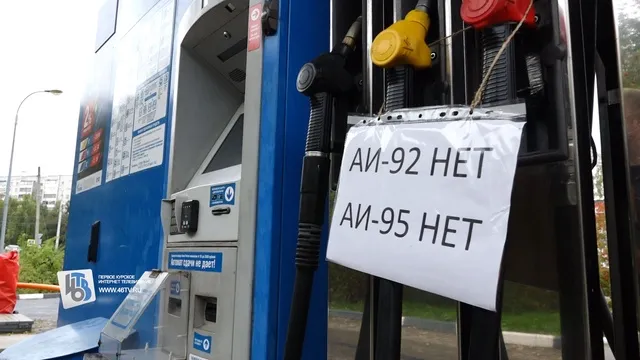
Russia’s Deepening AI-95 Shortage: A Confluence of Conflict and Capacity Issues
Russia faces a deepening deficit of AI-95 gasoline, a critical fuel for its economy and populace. This scarcity is driven by a confluence of factors: persistent Ukrainian drone strikes targeting key energy infrastructure, extensive domestic refinery maintenance cycles, and the predictable seasonal surge in consumer and industrial demand. This combination threatens to destabilize the national fuel market, with immediate indicators signaling severe supply constraints.
Ukrainian Strikes: Strategic Disruption of Refining Capacity
Ukraine’s sustained drone strikes against Russian oil refineries represent a calculated asymmetric warfare strategy, aiming to degrade Russia’s economic and logistical capabilities. By directly impacting refining capacity, these attacks contribute significantly to the AI-95 shortage, exerting pressure on domestic markets, and potentially impacting both military logistics and civilian mobility.
Internal Challenges: Prolonged Refinery Maintenance and Infrastructure Vulnerabilities
Compounding external pressures, Russia’s refining sector faces systemic operational challenges, with a significant number of major oil refineries undergoing extensive, prolonged repair cycles, each lasting a minimum of one month. This widespread maintenance critically impedes the ability to build essential fuel reserves ahead of the peak summer consumption period, a traditional bottleneck for energy infrastructure. Such extended shutdowns suggest underlying issues with infrastructure maintenance, asset lifecycle management, or potentially a strategic consolidation/upgrade, regardless, their timing is acutely consequential.
Market Impact: AI-95 Deficit, Price Volatility, and Strategic Prioritization
The Foreign Intelligence Service of Ukraine reports an unmet demand for AI-95 gasoline exceeding 26,000 tons, highlighting a substantial gap between production capacity and market requirements. This deficit forces Russian oil conglomerates to reallocate refining output, prioritizing AI-92 gasoline, which is designated as socially significant. While pragmatic, this shift underscores a structural vulnerability in Russia’s fuel market segmentation. Producing AI-92 may not fully compensate for the volume or specific octane requirements of AI-95, potentially compromising product quality for specific market segments and leading to reduced engine efficiency or increased wear for vehicles optimized for higher octane fuels.
Despite official assurances from the Russian Ministry of Energy regarding supply chain stability, market indicators reveal a divergent reality. Exchange prices for AI-95 gasoline have climbed to nearly 72,000 rubles per ton, with over-the-counter transactions commanding an additional premium of approximately 10%. This reflects growing scarcity and speculative pressures. Localized market stress is evident in Tatarstan, where intelligence reports indicate a substantial increase in gasoline prices, serving as a microcosm of broader national trends and signaling tangible cost increases for end-users.
Broader Implications: Summer Shortage Risk and Economic Cascades
The cumulative effect of these operational constraints and targeted disruptions significantly elevates the risk of a large-scale gasoline shortage across Russia throughout the summer months. This potential scarcity carries profound implications for consumer access and industrial operations, potentially triggering widespread price volatility and supply chain disruptions across various economic sectors. A sustained reduction in refining output could also impact the availability of other refined petroleum products like diesel fuel and jet fuel, with cascading effects on transportation, agriculture, and industrial manufacturing.
Geopolitical and Strategic Consequences
This crisis presents a direct challenge to the Russian government’s ability to maintain economic stability and public confidence, especially as fuel demand typically peaks in summer. The observed disconnect between official pronouncements and market realities can fuel public skepticism. Long-term, Russia’s energy sector faces a strategic imperative to harden critical infrastructure against future attacks, accelerate modernization, and enhance defensive capabilities, or recalibrate its refining and distribution networks for greater resilience. For Ukraine, the successful disruption of Russia’s fuel supply chain weakens its economic resilience and influences its capacity for sustained military operations, leveraging economic warfare as a complementary strategy to kinetic engagements. The intelligence gathered by Ukraine’s Foreign Intelligence Service demonstrates a sophisticated understanding of Russia’s energy vulnerabilities.
Conclusion: Interconnectedness of Conflict and Energy Markets
The international community will closely monitor these developments, as any significant disruption to Russia’s refined product exports, even if currently focused on domestic supply, could eventually influence global energy flows and pricing benchmarks. This scenario underscores the critical role of energy infrastructure as a strategic asset in modern conflict and the inherent fragility of complex industrial systems when subjected to sustained external pressures and internal operational challenges, defining a new characteristic of the contemporary geopolitical landscape.

Photo by PDBVerlag on Pixabay.