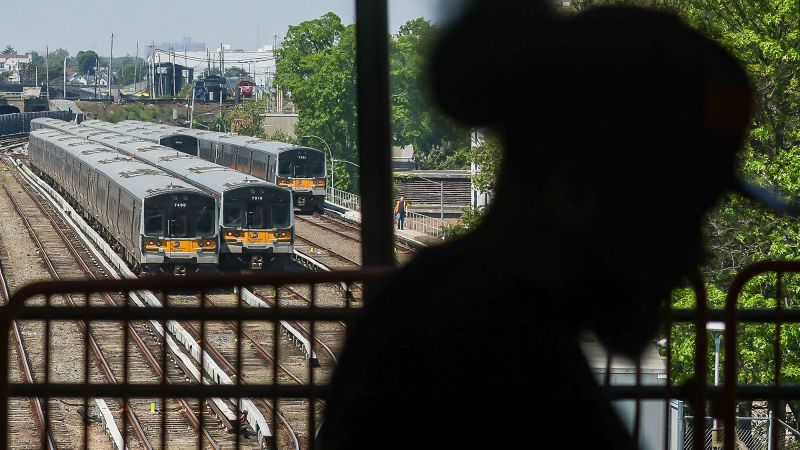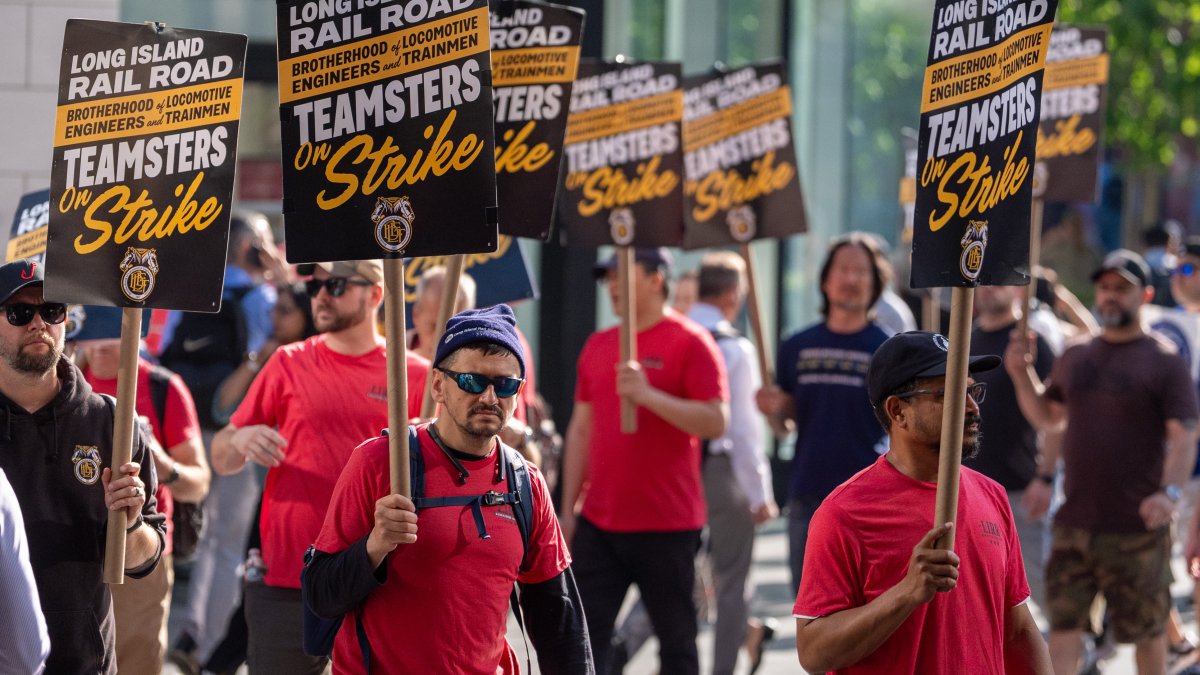
The conclusion of the three-day Long Island Rail Road (LIRR) strike, marked by a tentative agreement between the Metropolitan Transportation Authority (MTA) and five key unions representing 3,500 workers, represents a significant, albeit temporary, resolution to a protracted labor dispute. Announced by Governor Kathy Hochul, this pact immediately halts the operational paralysis of the nation’s largest commuter rail system, a vital artery for the New York metropolitan area economy. Yet, the complex logistics of service restoration and the underlying fiscal pressures persist as key analytical considerations.
Operational Constraints and the Logistics of Service Resumption
Despite the late-night agreement, an immediate operational restart for Tuesday morning was logistically infeasible, underscoring the inherent complexities of heavy rail systems. The LIRR’s vast network demands meticulous phased service resumption, prioritizing rigorous safety inspections of tracks, signaling systems, and rolling stock, alongside strategic crew positioning. This necessary delay means approximately 300,000 daily commuters faced a final morning of disruption, incurring further economic costs and highlighting the system’s susceptibility to such operational pauses.
The Strategic Role of Executive Intervention
Governor Kathy Hochul’s direct intervention and announcement underscored the acute political and economic stakes of the LIRR’s paralysis. Her framing of the tentative agreement as a balanced outcome for workers, riders, and taxpayers aims to manage public perception and mitigate potential fiscal criticism. This executive engagement implicitly suggests that the MTA’s internal bargaining mechanisms had reached an impasse, necessitating the application of state-level political capital to secure a resolution and avert a more prolonged crisis.
The Governor’s explicit mention of the NBA Eastern Conference Finals as a target for service restoration highlights the critical intersection of public transit reliability and major regional events. High-profile spectacles amplify the economic and reputational costs of transit failures, transforming them into significant pressure points in labor negotiations. The imperative to ensure LIRR access for Game 1 likely served as a tactical deadline, intensifying the final hours of the marathon negotiation and illustrating how external events can dictate internal labor dynamics.
Labor Dynamics and the Ratification Hurdle
The tentative nature of the agreement means its permanence hinges on ratification by the rank-and-file members of the five unions. This procedural step introduces a crucial layer of ongoing uncertainty; a rejection by the membership would immediately trigger a resumption of the strike, undermining the fragile labor peace achieved. The 3,500 workers returning to duty operate under the implicit pressure of this impending vote, which will ultimately validate or repudiate the terms negotiated by their leadership.
The multi-year negotiation timeline preceding this three-day walkout underscores the deep-seated structural tensions pervading labor-management relations within the MTA. The collective leverage of these five unions, representing approximately half of the LIRR’s total workforce, is substantial, rendering their consensus essential for systemic operational integrity. Consequently, the ratified contract terms are poised to establish a significant precedent for future negotiations across other MTA subsidiaries, directly influencing the authority’s broader, long-term labor cost trajectory and financial stability.
Fiscal Implications for the MTA and Taxpayers
The specific financial details of the wage increases, currently undisclosed, will face intense scrutiny regarding their impact on the MTA’s perennially strained capital and operating budgets. The delicate balance between offering competitive compensation to a critical workforce and adhering to fiscal responsibility for riders and taxpayers represents a persistent challenge for public transit agencies. Any significant escalation in labor costs must be meticulously reconciled with projected farebox revenue and state subsidies, potentially necessitating difficult trade-offs that could affect future service levels, infrastructure investment, or even fare increases.
For the 250,000 to 300,000 daily commuters, the strike’s conclusion offers immediate relief, yet it starkly exposed the profound vulnerability of New York’s regional transit ecosystem. The three-day disruption triggered a widespread systemic shock, overloading alternative transit options, disrupting business operations across Long Island and Manhattan, and incurring substantial economic costs through lost productivity and increased travel times. This underscores the LIRR’s irreplaceable role as a critical economic artery for the region’s workforce and commerce.
Systemic Vulnerabilities and Future Outlook
The LIRR strike of 2026 serves as a stark illustration of the systemic risks inherent in public transit infrastructure when labor-management relations reach a critical impasse. The protracted, multi-year negotiation cycle preceding the strike indicates a fundamental strain on the traditional collective bargaining framework, struggling to adapt to evolving economic pressures on both the workforce and the transit authority. While this tentative agreement resolves the immediate crisis, it critically does not extinguish the deep-seated fiscal and operational tensions that precipitated the walkout.
As LIRR service progressively resumes, the MTA faces the immediate imperative of rebuilding rider confidence and re-establishing system reliability. The successful execution of the Tuesday noon restart, coupled with the critical upcoming ratification vote, will serve as definitive metrics for whether this agreement signals a durable resolution or merely a temporary cessation of hostilities. Stakeholders, spanning business leaders, commuters, and government officials, are now poised to demand more robust contingency planning and proactive labor stability frameworks to avert future systemic disruptions of this magnitude.
The systemic shock of the strike will undoubtedly reverberate into future policy debates concerning the MTA’s long-term governance, funding mechanisms, and labor relations strategies. The discernible reliance on executive intervention to broker a deal highlights deficiencies in standard negotiation and mediation protocols, suggesting a need for more effective, early-stage conflict resolution processes. While immediate operational restoration remains paramount, the longer-term imperative is to address these systemic vulnerabilities to ensure enduring transit reliability for the hundreds of thousands of New Yorkers reliant on the LIRR.