Apple Resolves $250M Litigation Over ‘Apple Intelligence’ Vaporware Allegations
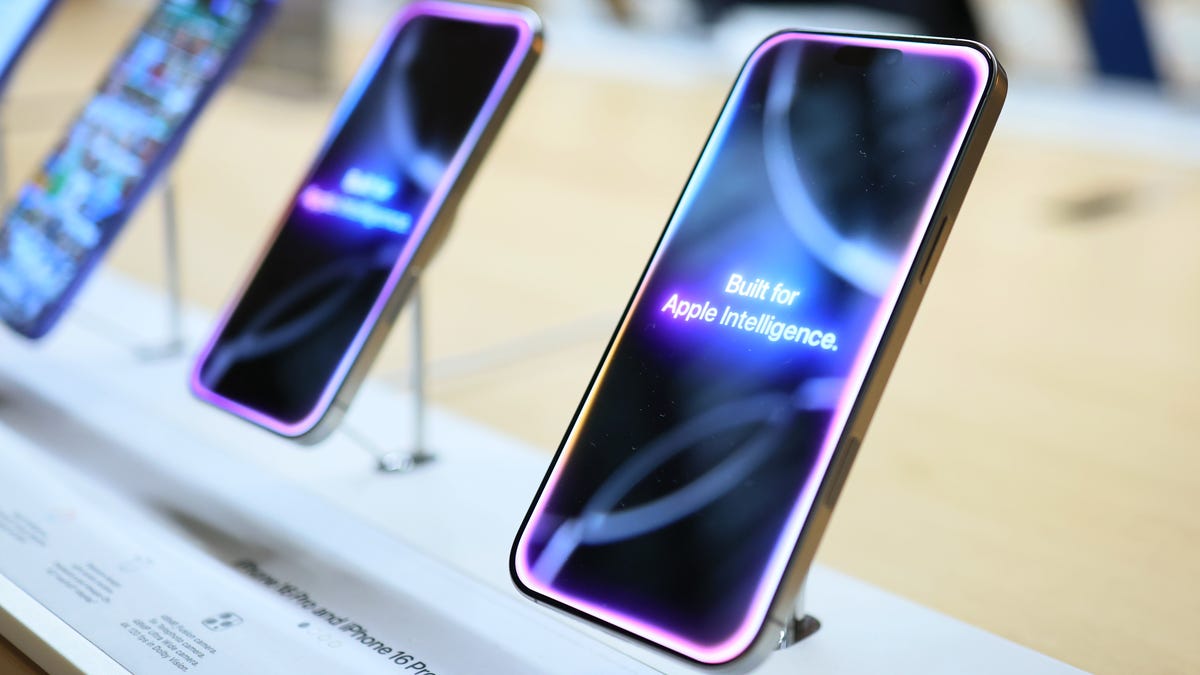
Apple has entered a preliminary agreement to pay $250 million to settle a class-action lawsuit filed in the U.S. District Court for the Northern District of California. The litigation centered on allegations of deceptive marketing regarding the generative AI capabilities of the iPhone 16 lineup and iPhone 15 Pro. The settlement addresses the disconnect between Apple’s aggressive “Apple Intelligence” branding and the actual availability of these features at the time of hardware purchase.
The Conflict of Hardware Cycles and AI Development
The core of the legal dispute, initiated by Peter Landsheft in March 2025, rested on the contrast between Apple’s rigid annual hardware release schedule and the non-linear development path of generative AI. Plaintiffs argued that promotional campaigns created a false consumer expectation that a revitalized Siri and integrated AI tools would be functional upon the iPhone 16’s late-2024 launch. In reality, the technical complexity of deploying large language models (LLMs) at scale resulted in significant delays, rendering the marketing claims effectively “future-ware.”
Financial Allocation and Eligibility
The $250 million fund—one of Apple’s largest consumer-facing settlements—covers approximately 37 million devices sold in the United States between June 10, 2024, and March 29, 2025. While the baseline payment per eligible device is set at $25, the variable structure allows payouts to escalate up to $95 depending on claim volume and administrative overhead. This tier-based recovery system ensures that the settlement remains capped while providing a tangible remedy for the perceived diminution in product value.
Strategic Avoidance and Market Precedents
By settling, Apple avoids a discovery process that could have compelled the disclosure of internal R&D bottlenecks and development timelines. The Clarkson Law Firm, representing the class, argued that tethering hardware sales to unreleased software capabilities constitutes a binding promise of immediate utility. This case sets a pivotal legal precedent for the tech industry, signaling that the Northern District of California will scrutinize “aspirational” software marketing when it serves as the primary differentiator for hardware sales.
Long-term Implications for AI Commercialization
This resolution marks a shift in the regulatory and legal landscape for AI marketing. As tech giants face immense pressure to maintain competitive parity in the AI arms race, the $250 million penalty serves as a benchmark for the cost of misaligning product reality with consumer expectations. For Apple, the settlement allows a strategic pivot back to a gradual rollout of Siri enhancements, though the litigation may necessitate more conservative disclosure standards for future iOS feature cycles.