Bayern Munich’s Laimer Standoff: A Strategic Imperative for Wage Discipline
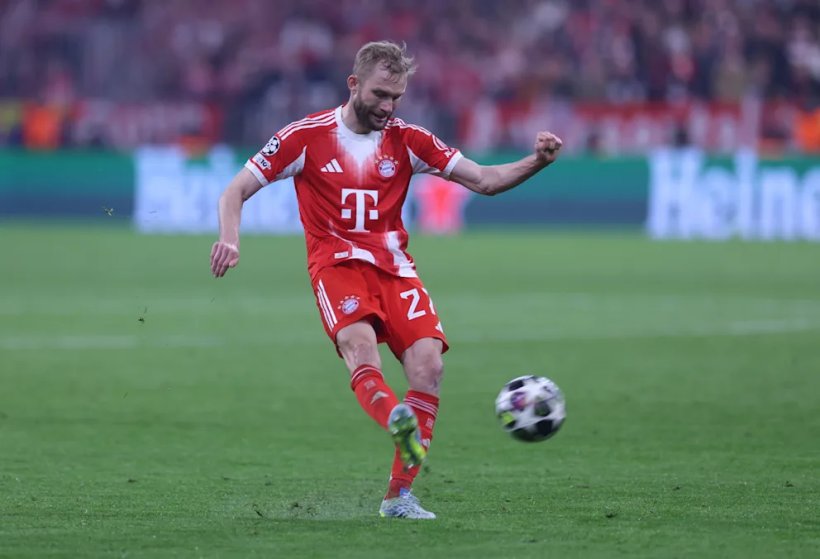
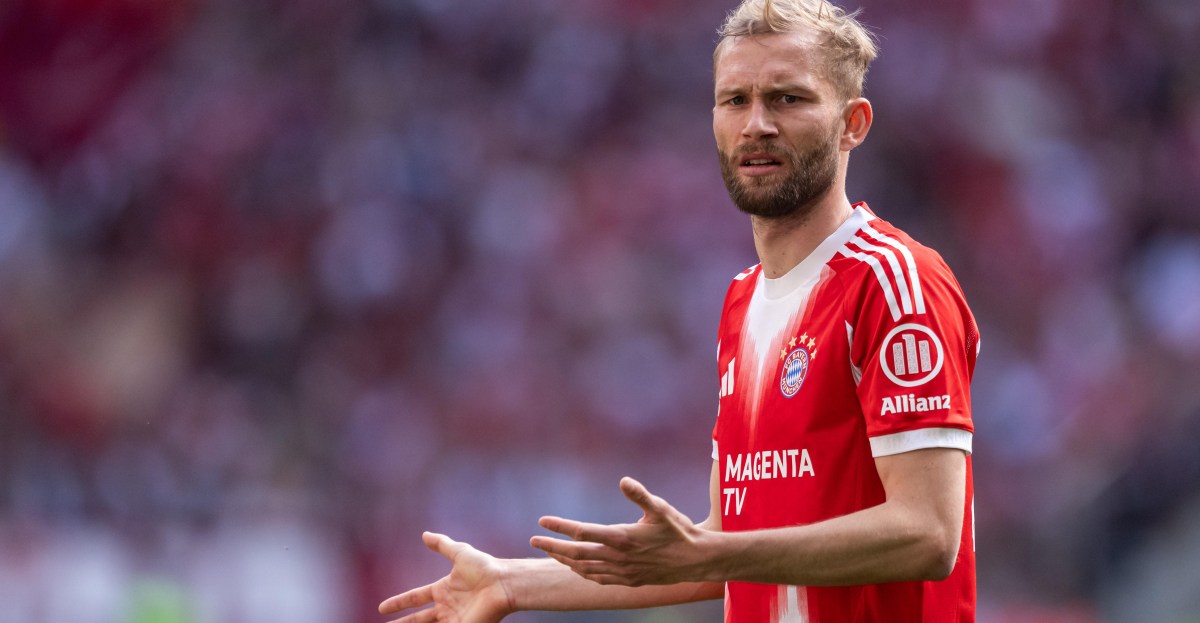
FC Bayern Munich’s contract extension talks with versatile midfielder Konrad Laimer have reached an impasse, signaling a profound strategic recalibration in the club’s approach to player valuations and its overall wage structure. This financial dispute, rather than solely reflecting individual player performance, highlights Bayern’s commitment to systemic financial governance.
Reports from Sport1 underscore the club’s internal assessment: Laimer is not deemed “irreplaceable.” This designation carries significant weight, directly influencing Bayern’s reluctance to meet his rumored annual salary demands of €12-€15 million—a substantial increase from his current €9-€10 million, including bonuses. This firm stance reveals a broader institutional commitment to fiscal prudence.
Institutional Imperatives: Safeguarding Wage Structure and Financial Prudence
Bayern Munich’s resolute position extends beyond Laimer’s specific demands, embodying a deliberate, institutionally driven policy to maintain stringent control over its wage bill. Supervisory board members Uli Hoeneß and Karl-Heinz Rummenigge are central to this tough negotiating posture, leveraging their extensive experience to safeguard the club’s long-term financial health and established salary hierarchy.
Hoeneß’s widely publicized assertion to DAZN that Laimer “is not Maradona” serves as a potent strategic communication. This statement transcends personal critique, signaling to the player, his representatives, and the broader market that appreciation for contribution will not translate into financial concessions deemed excessive or disruptive to internal equity.
The Maradona reference implicitly defines an extraordinary threshold for “superstar” wages. It underscores that only players achieving unparalleled global marketability and unique on-field impact—beyond consistent utility—can command the highest echelons of the club’s pay scale. This framework actively counters wage inflation driven by perceived utility, prioritizing truly irreplaceable talent.
This strategic positioning by Hoeneß and Rummenigge, stalwarts of Bayern’s leadership, reflects a deep-seated institutional philosophy prioritizing financial prudence and sustainable growth. Their direct involvement confirms this negotiation as a manifestation of a broader commitment to fiscal discipline, a hallmark distinguishing Bayern from rivals prone to more aggressive spending. This steadfastness also responds directly to escalating wage demands across top-tier football, particularly following recent, high-profile contract extensions like Jamal Musiala’s, which have created a ripple effect for compensation realignment within the squad.
Strategic Player Valuation and Market Dynamics
The “irreplaceability” metric in elite football extends beyond on-field performance to encompass market scarcity, brand appeal, and strategic squad fit. Bayern’s assessment of Laimer as not “irreplaceable,” while valuing his contributions, implies confidence in securing comparable talent internally or via the transfer market without financial compromise.
Laimer’s commendable versatility across right-back and midfield roles, though prized by coaching staff, paradoxically complicates his premium valuation. Such adaptability might not command the top-tier salary reserved for undisputed, world-class specialists in single, high-impact positions, especially amidst the club’s active pursuit of roster-wide wage control.
With his contract running until summer 2027, both parties retain leverage and time. This offers Laimer medium-term financial security, while Bayern mitigates immediate free-transfer risk, allowing a window to re-evaluate market conditions and squad solutions. Yet, the proactive initiation of renewal talks, now suspended, signifies a critical pause in strategic planning, compelling both Laimer and the club to reassess long-term trajectories and the implications of a protracted stalemate or eventual separation.
The looming prospect of a free transfer in 2027 represents a significant financial opportunity cost for Bayern. Losing a player of Laimer’s utility without a transfer fee would challenge the club’s astute financial management principles, intensifying pressure to balance player retention with fiscal discipline, even if it necessitates a temporary halt in negotiations.
Operational Realities and Contingency Planning
The administrative standstill contrasts with Laimer’s unwavering professional performance on the pitch, highlighting his continued tactical importance across multiple positions. This creates a palpable tension between the executive’s strategic financial mandates and the immediate sporting imperative for a stable, motivated squad. The coaching staff’s reliance on Laimer underscores this delicate balance, as the club’s public stance on his “irreplaceability” must be managed carefully to avert internal discord or compromised on-field output.
Uncertainty regarding Laimer’s future invariably activates Bayern’s strategic contingency planning. Scouting departments and sporting directors would be tasked with identifying, evaluating, and assessing the fit, cost, and availability of alternative players. This proactive approach ensures potential departures do not create unmanageable squad gaps.
Furthermore, the outcome of this negotiation will inevitably influence future contract renewals and transfer strategies. Successfully enforcing wage discipline with Laimer could establish a powerful precedent, strengthening the club’s negotiating position. Conversely, a failure to retain a key player due to financial rigidity might necessitate a re-evaluation of its broader strategic approach, underscoring the high-stakes implications beyond Laimer himself.
Strategic Communication and Public Framing
The strategic leaking of negotiation details to outlets like Sport1, coupled with public commentary from figures like Uli Hoeneß, constitutes a calculated maneuver within elite football. Such disclosures serve multiple objectives: managing public expectations, exerting pressure on the player’s camp, and unequivocally signaling the club’s financial philosophy to other players and agents.
Hoeneß’s direct statement to DAZN, bypassing traditional internal channels, delivers a clear message to the public and Laimer’s representatives. This public declaration frames the club’s position as one of principled financial stewardship, potentially solidifying support from a fanbase that values stability and fiscal responsibility.
Bayern actively shapes the pervasive media narrative concerning player demands versus club financial discipline. By controlling this perception, the club portrays itself as a responsible steward of resources, rather than a reluctant negotiator. This public relations strategy is vital for maintaining fan loyalty and projecting an image of robust, consistent leadership, while also highlighting the broader economic pressures top European clubs face in balancing competitive success with financial sustainability.
Industry Precedent and Global Football Economics
The Bayern Munich-Konrad Laimer impasse transcends a singular club-player negotiation, serving as a critical case study in the evolving interplay of player power, club governance, and systemic wage inflation within European football. As a financially robust and consistently successful club, Bayern frequently establishes industry benchmarks for operational and financial best practices.
Bayern’s resolve to cap salaries, even for a valuable and versatile player, sends a potent message across the industry. This signals a potential collective pushback against the relentless upward trajectory of player wages—fueled by burgeoning broadcast revenues, commercial deals, and intense competitive pressures. Such a stance could significantly influence other clubs to adopt more stringent, fiscally disciplined wage policies.
The direct involvement of long-serving, influential figures like Hoeneß and Rummenigge underscores the elevated strategic importance of wage control at the highest echelons of club management. Their intervention transforms this from a routine contractual dispute into a foundational issue of club policy, demonstrating a deep commitment to institutional values over individual player demands.
The ultimate resolution of these negotiations—be it a renewed contract at a revised figure, a compromise, or Laimer’s eventual departure—will yield lasting implications. It will either affirm Bayern’s capacity to enforce its wage structure or, conversely, underscore the persistent leverage players wield in a highly competitive market, thereby shaping the broader economic landscape of professional football, from transfer fees to agent commissions.
Ultimately, the Laimer contract situation at Bayern Munich is a microcosm of the formidable economic forces dictating elite sports. It exemplifies the delicate equilibrium required between sporting ambition, financial prudence, and the individual aspirations of professional athletes. The club’s strategic, leadership-driven response, rooted in its historical financial philosophy, will continue to define its roster composition, balance sheet health, and enduring global football standing.