The Strategic Cost of Premature AI Marketing
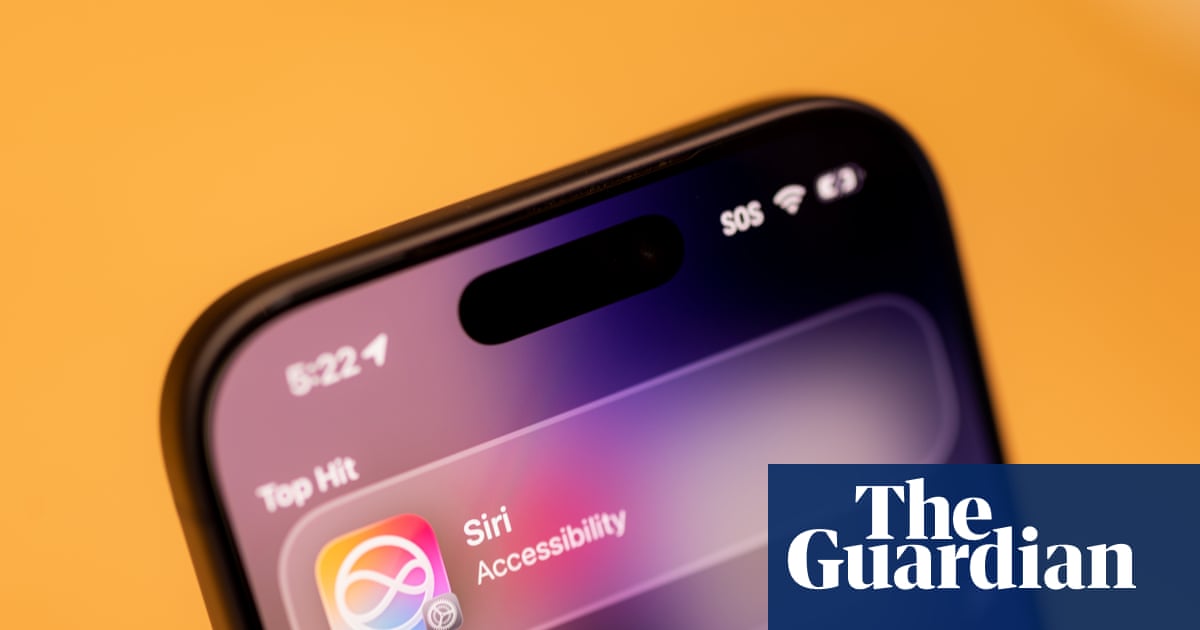
Apple has finalized a $250 million settlement to resolve a consolidated class-action lawsuit alleging deceptive marketing regarding the artificial intelligence capabilities of its Siri voice assistant. Filed in California federal court, the suit focused on claims that Apple promoted ‘Apple Intelligence’ features as immediate capabilities, despite the technology being in active development.
The settlement encompasses approximately 36 million devices, including the iPhone 16 lineup and the iPhone 15 Pro/Pro Max models purchased between June 10, 2024, and March 29, 2025. While Apple denies liability, the settlement underscores the high financial and reputational stakes of aggressive AI marketing in an era of heightened regulatory oversight.
The Conflict Between Release Cycles and Engineering
At the center of the litigation was the significant gap between promotional messaging and actual software functionality during the 2024 product rollout. Plaintiffs successfully argued that Apple leveraged the allure of advanced generative AI to incentivize hardware upgrades, despite the absence of promised features at the point of sale.
This case exposes a systemic industry conflict: the pressure from capital markets to maintain rapid, AI-centric product cycles often outpaces software engineering milestones. By synchronizing hardware sales with aspirational software timelines, manufacturers introduce a high risk of material breach and consumer deception litigation.
Regulatory Scrutiny and the ‘Vaporware’ Precedent
The involvement of the Better Business Bureau’s National Advertising Division (NAD) was pivotal. By concluding that Apple’s promotional materials falsely suggested imminent feature availability, the NAD provided a robust framework for plaintiffs to challenge the company’s messaging. This intervention marks a shift where regulatory bodies are applying stricter scrutiny to software-defined hardware claims.
The ruling signals that ‘future-proofing’ can no longer serve as a blanket defense for manufacturers. When marketing materials explicitly link hardware purchases to specific, unreleased software capabilities, companies face increasing legal vulnerability under existing false advertising statutes.
Market and Financial Implications
The $250 million payout is a tactical risk management decision, allowing Apple to mitigate further litigation costs while refocusing on long-term AI integration. However, the precedent established by this settlement may force the tech industry to adopt more granular, transparent disclosure practices, potentially increasing the legal overhead of future product launches.
This case serves as a critical study in the risks of ‘vaporware’ marketing in the generative AI era. As smartphone manufacturers use AI as their primary differentiator, any delay in software delivery now functions as a quantifiable legal liability rather than a standard operational challenge.
Evolving Standards for Tech Transparency
The resolution suggests that the era of ‘soft-launching’ AI features through high-visibility marketing campaigns is encountering significant resistance. Manufacturers are now forced to calculate the trade-off between the short-term sales boost of aggressive marketing and the potential for large-scale litigation if features fail to meet promised timelines.
Moving forward, the industry is likely to pivot toward more conservative marketing, framing AI updates as ‘beta’ or ‘forthcoming’ with explicit milestones. While this might moderate initial consumer demand for new hardware cycles, it serves as a necessary defensive strategy in a landscape where institutional accountability for software reliability continues to intensify.