
Next-Generation Yellow Fever Vaccine Matches Standard, Enhancing Supply Chain Resilience
A next-generation live-attenuated yellow fever vaccine (vYF), developed by Sanofi, has achieved noninferior immunogenicity compared to the current standard vaccine (YF-VAX) in a recent Phase 2 clinical trial. This finding is critical because it validates a strategic shift in vaccine manufacturing from traditional egg-based methods to modern Vero cell culture technology. The primary objective of this innovation is not merely product replacement, but to fundamentally address systemic vulnerabilities in the global vaccine supply chain that have historically hampered effective yellow fever outbreak responses in endemic regions of Africa and South America.
Operational Pivot: Mitigating Supply Chain Risk through Advanced Production Technology
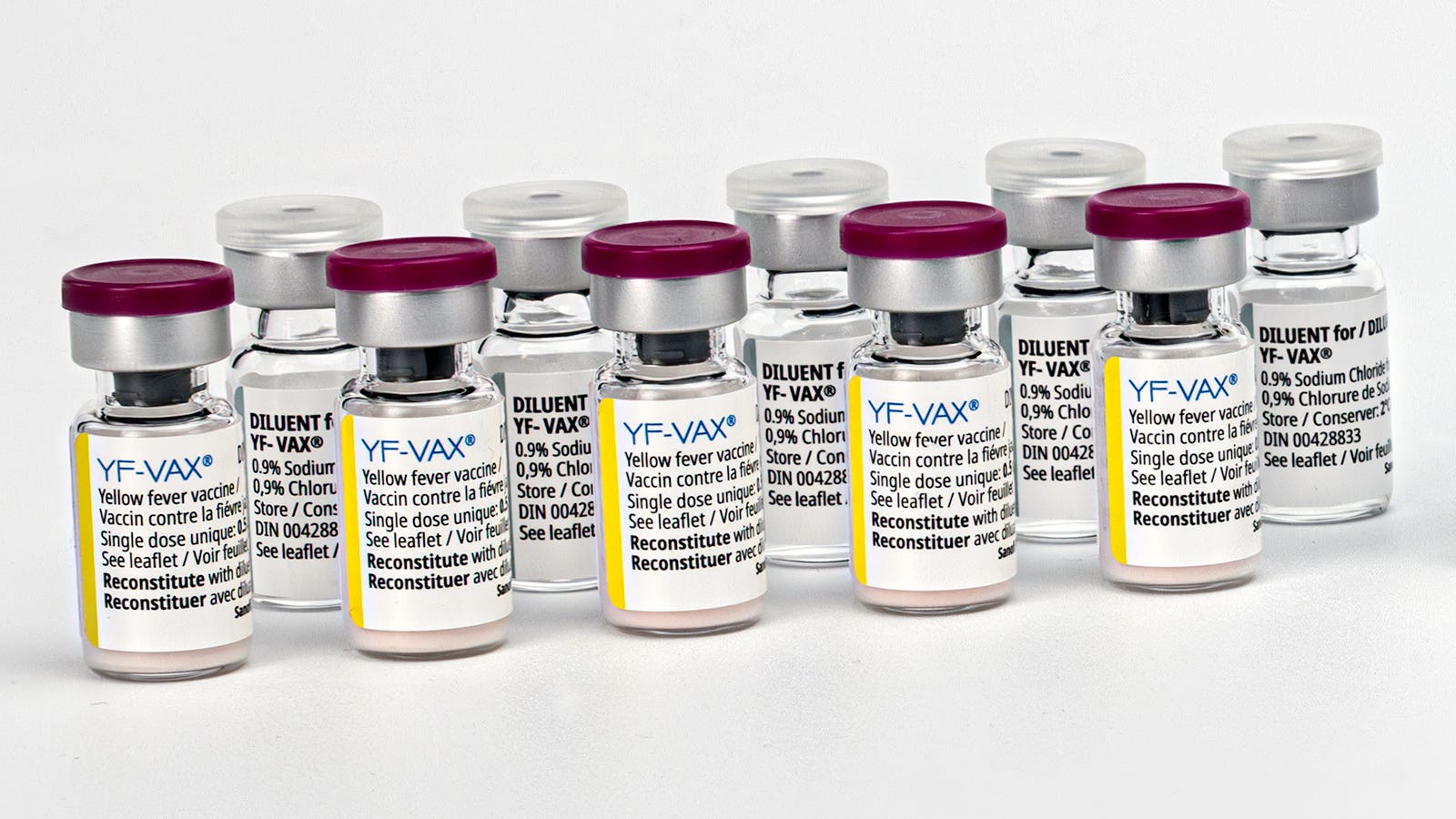
The core strategic value of vYF lies in its production methodology. The existing standard vaccine, YF-VAX, relies on complex and time-consuming egg-based production methods. This process creates significant operational bottlenecks, including lengthy lead times, high sensitivity to external factors like avian influenza outbreaks, and inherent difficulty in rapidly scaling production during peak demand periods or emergencies. This dependence on a single biological source has contributed to critical vaccine shortages during past outbreaks.
By transitioning production to Vero cell culture technology, Sanofi directly mitigates these risks. Cell culture systems offer a more controlled, industrialized, and scalable manufacturing environment. This operational shift enhances production flexibility, potentially reduces lead times, and increases batch yields. For global health organizations, this represents a pathway to secure a more reliable and resilient supply source, lessening the risk profile associated with vaccine procurement and deployment in high-risk areas.
Clinical Validation and Strategic Implications for Public Health
The noninferiority finding provides the necessary clinical validation for this operational pivot. The Phase 2 trial, published in the New England Journal of Medicine, reported seroconversion rates of 99.7% for vYF and 99.4% for YF-VAX, demonstrating that vYF achieved comparable efficacy in generating protective immune responses. Furthermore, the study confirmed durable immunity, with 97.5% of participants maintaining protective antibody titers one year after vaccination in both groups. This long-term efficacy data is crucial for public health planning, enabling confident implementation of vYF in routine immunization programs and large-scale preventative campaigns.
For endemic regions and international procurement bodies like Gavi and the World Health Organization (WHO), the availability of a scalable vaccine supply directly impacts public health outcomes and economic stability. A reliable supply reduces the exposure of vulnerable populations and strengthens the capacity of health systems to respond swiftly to outbreaks. The durable immunity data supports the use of vYF in preventative strategies, reducing logistical burdens and long-term costs associated with disease prevention.
Market Dynamics and Future Outlook
From a competitive standpoint, Sanofi’s investment positions it as a key partner in global health security. The operational limitations of the existing standard vaccine create a market opportunity for a more resilient alternative. By developing vYF and proving its noninferiority, Sanofi strengthens its relationship with international procurement bodies that prioritize supply chain resilience and operational efficiency. The successful implementation of a scalable Vero cell production platform for yellow fever sets a precedent for modernizing vaccine manufacturing across the industry. This strategic move aligns with global preparedness initiatives that prioritize diversified supply chains to mitigate the risks observed during recent global health crises.