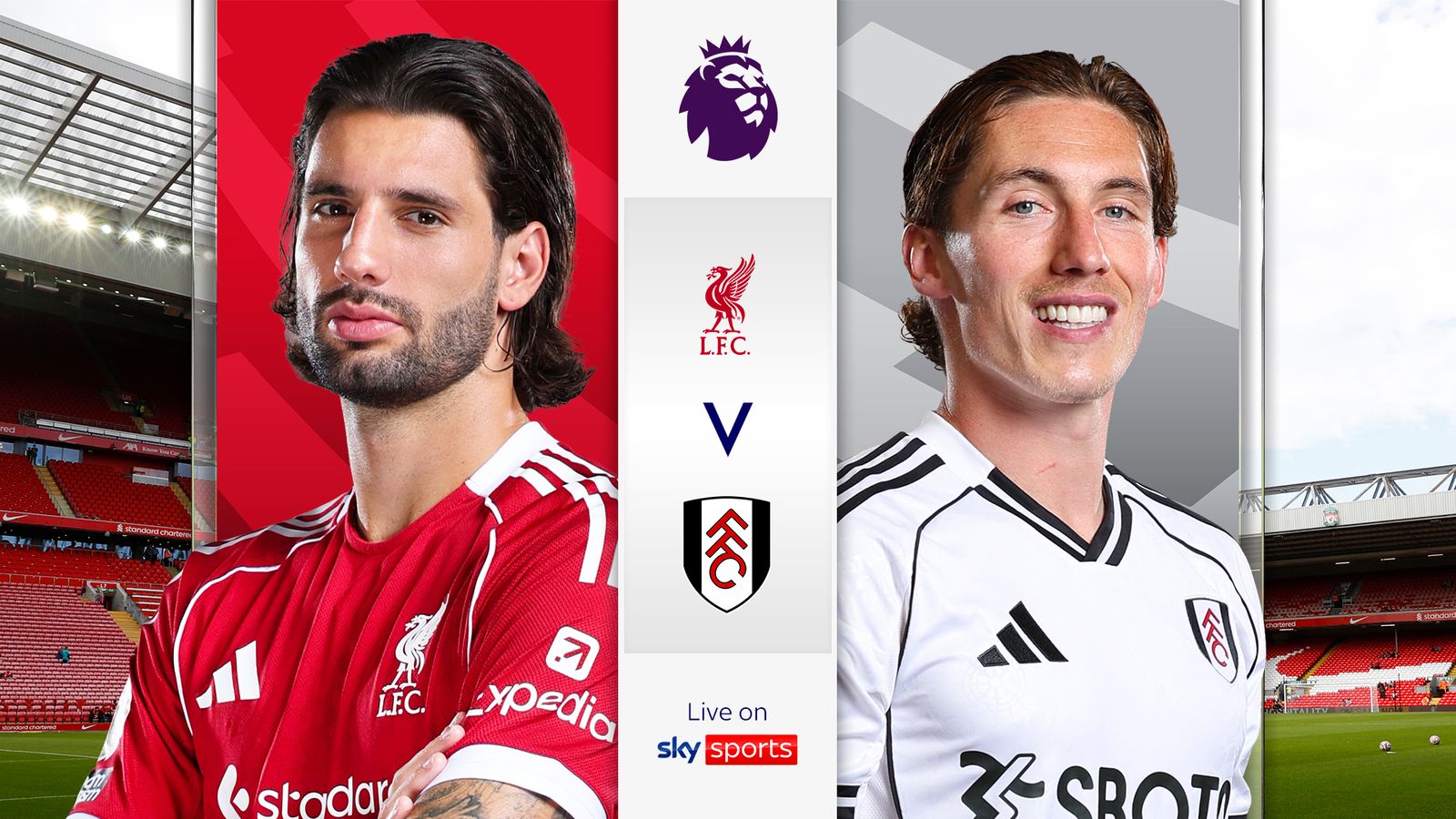
The Premier League fixture between Liverpool and Fulham at Anfield represents a critical intersection of physiological exhaustion and strategic recalibration for Arne Slot’s side. Following a sequence of debilitating outcomes—including a domestic cup exit and a Champions League deficit in Paris—the reintegration of Mohamed Salah to the starting lineup serves as a necessary offensive pivot. This adjustment follows a period of internal scrutiny regarding squad rotation after Salah’s midweek omission, highlighting the friction between managing elite player loads and the immediate necessity of domestic stability.
The Physiological Constraints of a 70-Hour Recovery Window
The scheduling of this encounter, occurring less than 70 hours after a high-intensity European away leg, imposes severe operational limitations on the Liverpool roster. Slot’s acknowledgment that the recovery window is insufficient for peak performance underscores the biological challenges facing his squad. This compressed timeframe necessitates a reliance on medical data to dictate tactical availability, forcing a departure from established continuity in favor of high-performance survivalism.
Institutional pressure is further intensified by the psychological erosion caused by a recent four-goal defeat to Manchester City. Such margins diminish the ‘Anfield effect,’ emboldening mid-table challengers to exploit the perceived structural vulnerabilities. For the coaching staff, the imperative is to stabilize a downward trajectory while navigating a concentrated injury list that has significantly depleted the squad’s functional depth.
Defensive Instability and the Alisson-Endo Vacuum
Liverpool’s defensive infrastructure is currently in a state of acute attrition. The simultaneous absence of Alisson Becker, Conor Bradley, and Giovanni Leoni forces a makeshift configuration that lacks competitive rhythm. This lack of continuity is exacerbated by the unavailability of Wataru Endo; without his specialized role in defensive transitions, the backline remains exposed to Fulham’s mobile attacking threats.
This vacuum in the central defensive and holding roles shifts the burden of leadership to the remaining veterans, who must maintain structural integrity under the pressure of Marco Silva’s high-press system. The strategic challenge for Slot lies in implementing a defensive block that can absorb pressure without the luxury of its primary personnel or the tactical safety net typically provided by its first-choice goalkeeper.
Fulham’s Strategic Opportunism and the Fifth Spot Incentive
Marco Silva’s Fulham arrives at Anfield positioned 11th but trailing Liverpool by only five points, a margin that reflects the narrowing parity in the Premier League. The form of Harry Wilson—contributing ten league goals from wide positions—combined with the predatory movement of Rodrigo Muniz and the technical unpredictability of January signing Oscar Bobb, presents a sophisticated threat to Liverpool’s fragmented defense.
The strategic stakes are heightened by the confirmation of a fifth Champions League spot for the Premier League. This systemic shift transforms the mid-table into a launchpad for continental qualification, incentivizing a high-risk approach for clubs like Fulham. For Liverpool, the race for the top five is a matter of financial and institutional sustainability; for Fulham, it is an opportunity to dismantle the traditional hierarchy by leveraging the fatigue of an elite opponent.
Conclusion: Navigating Systemic Adversity
The narrative of Liverpool’s ‘nightmare week’ culminates in this fixture. The transition from cup exits to league survival tests the depth of Slot’s man-management and the club’s overall resilience. As Fulham seeks to exploit the structural gaps left by Liverpool’s injury crisis, the match becomes a case study in tactical discipline versus fresh-legged opportunism. The outcome will dictate whether Liverpool can maintain its footing in the race for European revenue or if Fulham will formalize its status as a legitimate contender for continental football.