Architectural Shifts in Deep Space Medical Protocols
The scheduled April 1, 2026, launch of Artemis II represents a fundamental re-engineering of human spaceflight logistics. As the first crewed mission to exit the Earth’s magnetosphere since 1972, Artemis II necessitates a transition from the reactive, Earth-reliant medical models of Low Earth Orbit (LEO) to a proactive, autonomous framework. This shift moves beyond the resupply-dependent safety margins of the International Space Station (ISS) to address the high-latency, high-risk environment of deep space.
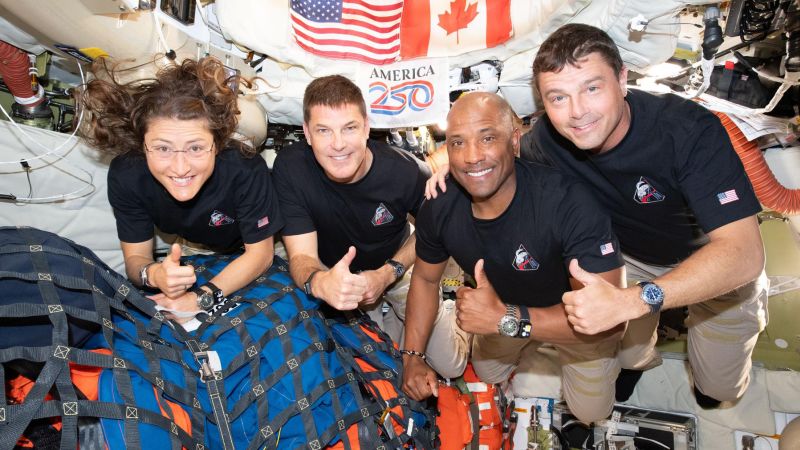
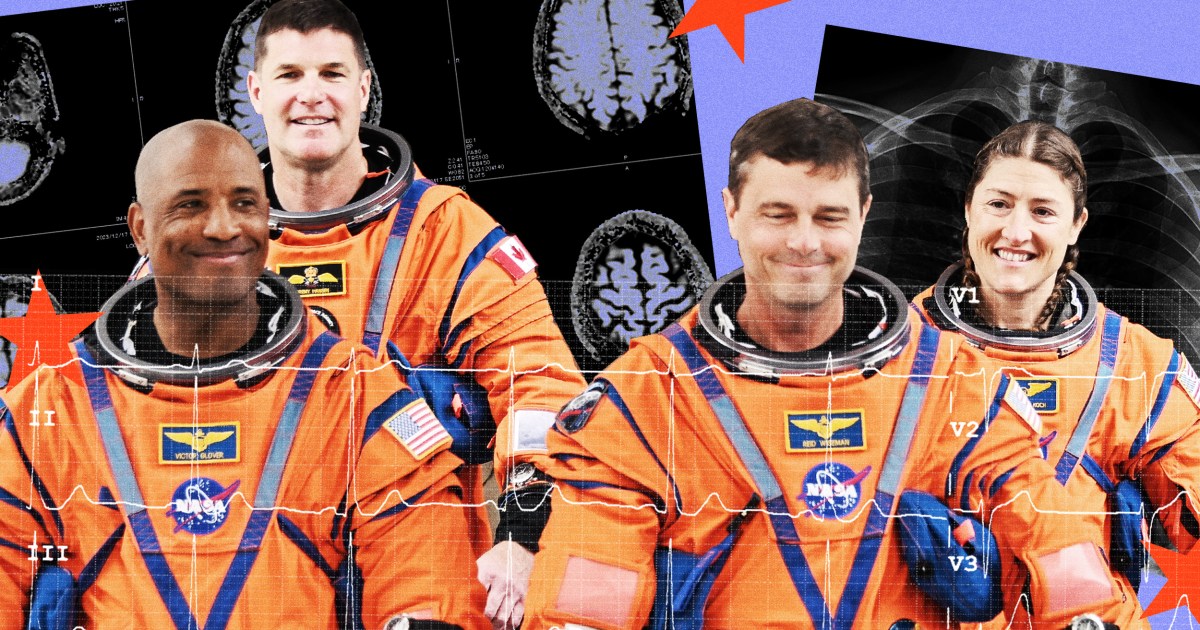
Central to this strategic reorientation is the AVATAR (A Virtual Astronaut Tissue Analog Response) study. By utilizing USB-sized organ chips containing hematopoietic bone marrow tissue derived from crew members—Wiseman, Glover, Koch, and Hansen—NASA establishes a high-fidelity biological proxy. This allows for the granular observation of cellular degradation and hematopoietic stress in real-time, bypassing the limitations of retrospective post-flight analysis. These avatars provide critical data on physiological onset within deep-space radiation environments, serving as a predictive diagnostic tool.
Institutional Risk Mitigation: Beyond the Evacuation Model
The urgency for medical autonomy is underscored by the limitations of current evacuation protocols. While the ISS allows for rapid emergency returns—as demonstrated by the logistical response to Michael Fincke’s transient medical events—a Mars-bound trajectory offers no such contingency. Artemis II serves as the primary testbed for internalizing diagnostic and treatment capabilities, effectively decoupling crew safety from immediate terrestrial intervention. By deploying sophisticated sensor arrays for continuous telemetry on cardiovascular and respiratory performance, NASA is developing a comprehensive baseline for predictive health modeling.
This integration of wearable telemetry with the biological data from the AVATAR chips enables a systemic approach to health management. The Biological and Physical Sciences Division aims to use this mission to define the operational limits of human endurance, a prerequisite for sustained lunar habitation and the eventual transit to the Martian surface.
Radiation Dosimetry as a Hard Mission Constraint
Ionizing radiation remains the primary environmental barrier to long-duration exploration. Artemis II utilizes an upgraded German heavy-ion detector alongside cabin monitors to map high-energy particle flux outside the Van Allen belts. These measurements are mission-critical inputs for engineering secondary shielding and developing pharmacological countermeasures. The collaboration with ANSTO’s radiation experts highlights the international requirement for precise quantification of the ‘invisible hazard’ of deep space.
The specific focus on bone marrow within the organ-chip experiments is a strategic necessity. As the primary site of hematopoiesis, bone marrow is a leading indicator of immune resilience and oncogenic risk. Understanding how these biological proxies react to deep-space stressors allows mission planners to optimize the Orion capsule’s protective systems and the pacing of future surface activities, ensuring the structural and functional integrity of the crew.
Strategic Positioning in the Global Space Economy
Artemis II validates the Space Launch System (SLS) and Orion as a combined human-rated platform, but its implications extend to the strategic competitive landscape. By establishing the global standard for deep-space health management, NASA and its partners—including the CSA—secure a leadership position in the burgeoning lunar ecosystem. The mission’s data will drive R&D investments across the global aerospace industry, particularly in life support systems and radiation resilience, setting the benchmark for both institutional and private exploration efforts.
As the mission transitions from experimental flight to operational standard, the lessons gleaned from this initial deep-space phase will be integrated into every subsequent mission architecture. This evolution from Earth-dependence to deep-space autonomy is the defining characteristic of the Artemis era, bridging historical lunar achievements with the future requirements of interplanetary expansion.