Molotov Cocktail Attack at OpenAI CEO’s San Francisco Residence
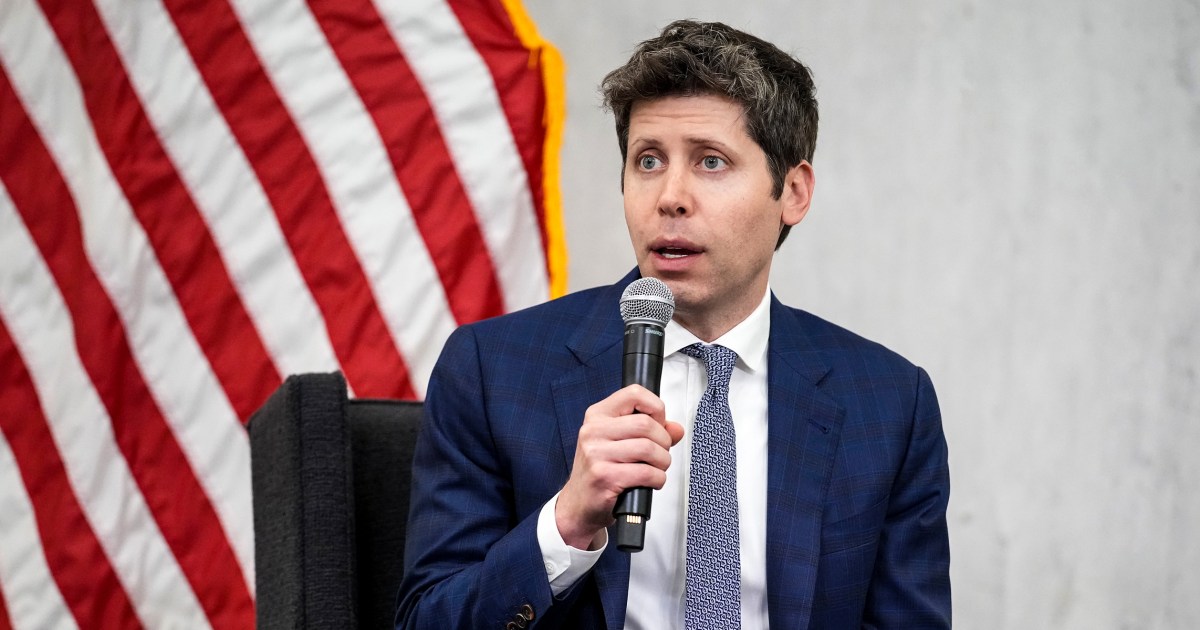
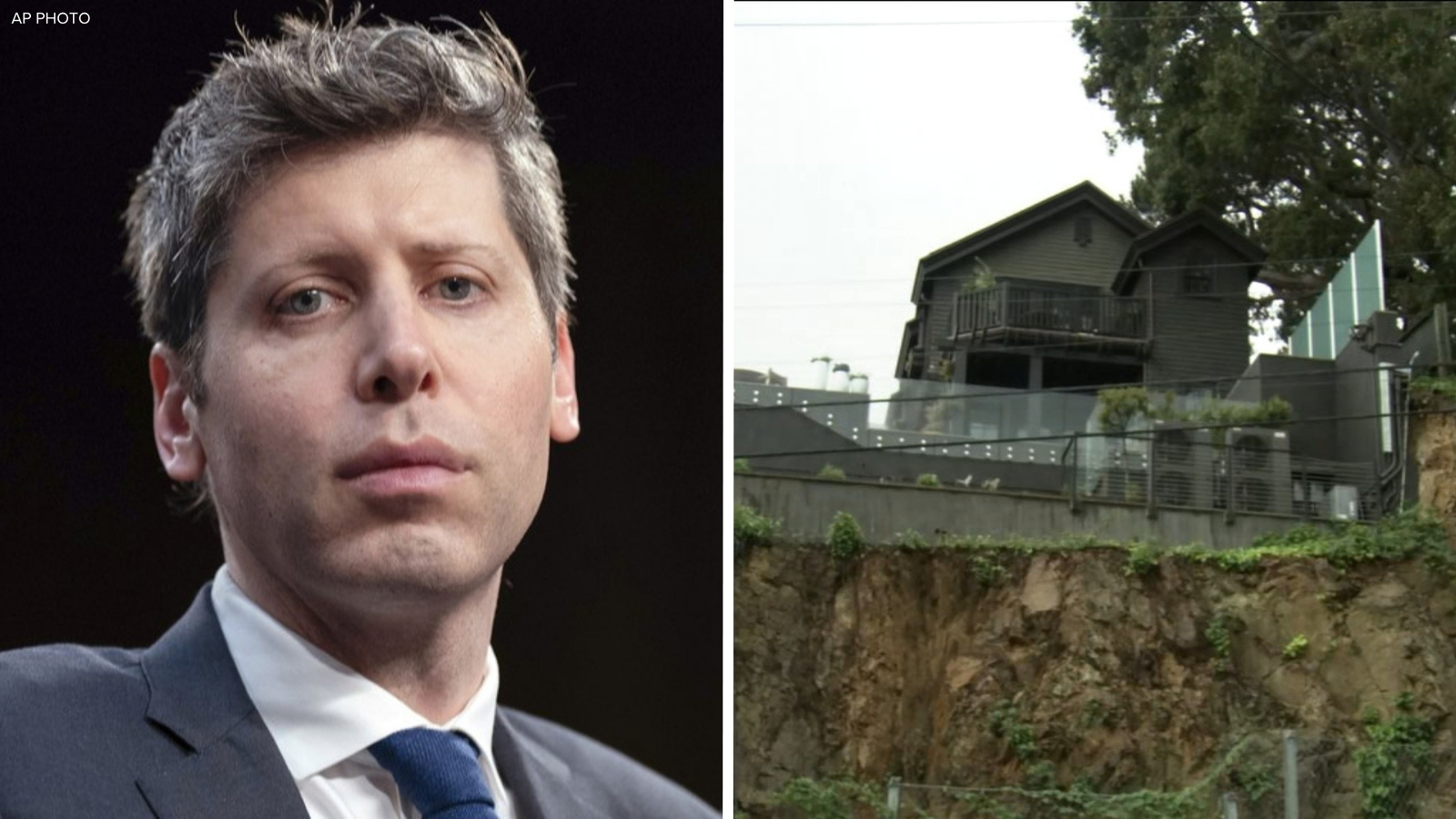
OpenAI CEO Sam Altman’s San Francisco home was targeted in a Molotov cocktail attack early Friday morning. The incident, which also included threats made at OpenAI’s San Francisco headquarters, resulted in the arrest of a suspect by the San Francisco Police Department.
OpenAI confirmed that no individuals were injured during the attack on the Russian Hill property. The company expressed gratitude for the San Francisco Police Department’s swift response and the city’s support in ensuring employee safety, noting ongoing cooperation with the investigation.
Escalating Security Concerns for AI Leadership
This event underscores the escalating security challenges faced by prominent figures in the rapidly advancing artificial intelligence sector. The targeting of Altman’s residence, coupled with threats against the company’s operational base, suggests a potential nexus between public perception of AI’s societal impact and acts of aggression.
The strategic implications for OpenAI and its leadership are significant, necessitating a re-evaluation of personal and corporate security protocols. The incident may prompt increased investment in protective measures for key executives and critical infrastructure across the AI industry, influencing operational budgets and risk management frameworks.
Law Enforcement Response and Investigation Details
San Francisco police responded to the residential incident around 4:12 a.m. PT, identifying the act as the throwing of an incendiary device that caused a fire to an exterior gate. The suspect fled the scene, prompting a citywide broadcast of their description.
Approximately an hour later, at 5:07 a.m. PT, officers responded to a business on the 1400 block of 3rd Street following reports of a subject threatening to set the building ablaze. This second incident, in proximity to OpenAI’s headquarters, suggests a potential pattern of targeted harassment or a single perpetrator with escalating intent.
Broader Industry Context and Capital Flows
The attack on Altman, a central figure in the generative AI boom, occurs amidst intense public scrutiny and debate surrounding the ethical, economic, and societal implications of advanced AI technologies. Isolated incidents like this can create a chilling effect on innovation and investment if perceived as indicative of broader societal instability or hostility towards the sector.
Venture capital and institutional investors, already navigating the volatile AI development landscape, may factor enhanced security costs and reputational risks into their capital allocation decisions. The need for robust security infrastructure could become a more pronounced consideration in operational planning and valuation of AI companies, potentially diverting resources from R&D.
Operational and Strategic Vulnerabilities Exposed
The dual nature of the incidents—targeting both personal residence and corporate headquarters—highlights critical vulnerabilities in the operational continuity and executive well-being of AI firms. The ability of an individual to impact both personal safety and corporate security raises questions about the effectiveness of existing threat assessment models.
OpenAI’s reliance on centralized leadership, exemplified by Altman’s pivotal role, means that threats to his security inherently pose a risk to the company’s strategic direction and governance. This incident compels a review of succession planning and distributed leadership resilience in a high-stakes industry.
Media Narrative and Public Perception Management
Media reporting shapes public perception of the AI industry and its leaders. The framing of this event influences how stakeholders interpret the risks associated with AI development. Managing this narrative effectively is crucial for OpenAI to maintain stakeholder confidence and mitigate reputational damage.
Geopolitical and Regulatory Undercurrents in AI
While the immediate incident appears to be the act of an individual, it occurs within a broader context of increasing geopolitical interest and regulatory scrutiny of AI technologies. Concerns about AI’s potential misuse globally are driving policy discussions and shaping a competitive landscape where technological stability is key.
Capital Allocation and Risk Mitigation Strategies Evolve
The financial implications extend beyond immediate security expenditures. Companies like OpenAI, backed by substantial capital, must consider the long-term impact of security breaches on investor confidence and future funding. The cost of enhanced security, including physical protection, cybersecurity, and threat intelligence, is becoming a critical operational expense.
This incident may also prompt a diversification of executive risk, encouraging companies to distribute critical functions to mitigate the impact of single points of failure. This could influence organizational design and capital deployment towards more resilient, decentralized operational models within the AI sector.
Employee Morale and Corporate Culture Impact
For OpenAI employees, such an event can impact morale and create unease. The company’s response, emphasizing safety and appreciating law enforcement, is critical in reassuring its workforce and reinforcing a culture of security. Maintaining a stable and secure environment is directly linked to attracting and retaining top talent.
Market Positioning and Competitive Landscape Dynamics
In the competitive AI landscape, incidents that disrupt operations or cast a shadow over leadership can create openings for rivals. Competitors may seek to capitalize on perceived instability. OpenAI’s demonstration of resilience and continued innovation trajectory will be key to its market positioning and valuation.
Institutional Response and Policy Implications for AI Security
The incident may trigger broader institutional responses from government agencies and industry bodies. Discussions around the security of critical AI infrastructure and personnel could lead to new policy recommendations or regulatory frameworks, emphasizing the need for coordinated efforts in responsible innovation.
Future Security Investments and Operational Planning Necessities
The financial commitment to security within the AI sector is likely to increase substantially, encompassing physical security, cybersecurity, and advanced threat intelligence. Operational planning must incorporate robust contingency measures for executive safety and business continuity to address targeted attacks.
Societal Integration, Public Trust, and AI
This event serves as a reminder of the societal integration challenges accompanying rapid technological advancement. The development of powerful AI tools necessitates a parallel focus on public understanding, trust, and safety to ensure innovation does not outpace societal preparedness and acceptance.
Capital Markets and Investor Sentiment Sensitivity
The reaction in capital markets can be swift, impacting investor sentiment towards the AI sector. The perception of risk can influence valuations and the cost of capital. Institutional investors will scrutinize risk management frameworks, demanding greater transparency and proactive security measures.
Global Competitive Dynamics and AI Leadership
The incident has implications for global AI competitive dynamics. Nations and corporations must demonstrate the capacity to secure their vital assets and personnel to lead in AI development. A perception of instability could hinder international talent attraction and investment.
Long-Term Strategic Planning and Industry Resilience
Ultimately, this event compels a long-term strategic re-evaluation of resilience within the AI industry. Companies must embed a culture of security and risk mitigation into their core operational DNA, fostering robust crisis management and adapting security protocols to evolving threats.