The Strategic Divorce: Asset Optimization
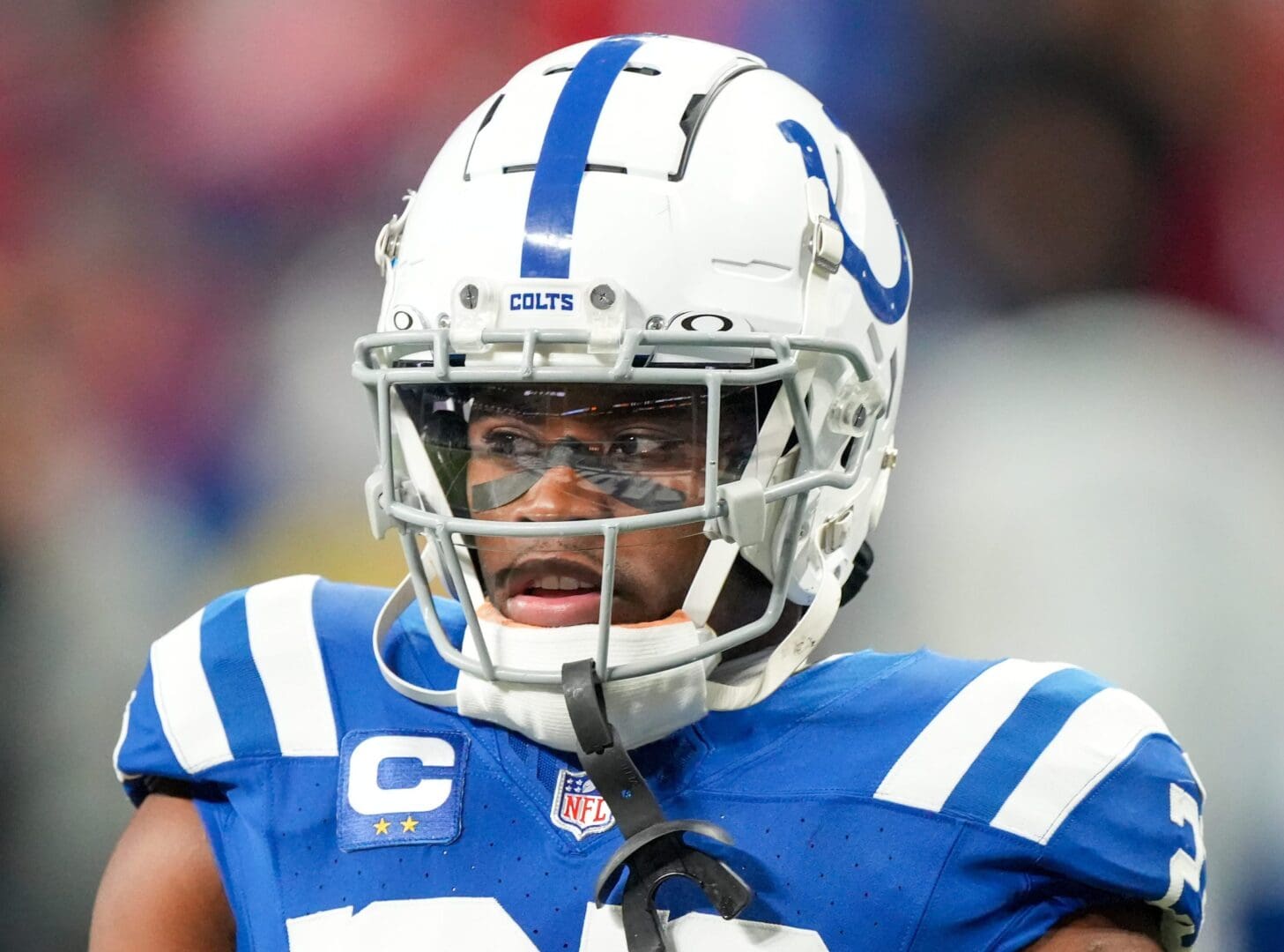
The decision by the Indianapolis Colts and Kenny Moore II to mutually pursue a trade signals a definitive shift in the franchise’s defensive architecture. As Moore enters the final stage of his 2024 extension, a divergence has emerged between his market valuation and the team’s long-term salary cap trajectory. This move is a calculated exercise in asset management, allowing the Colts to recoup draft equity before his contract expires while granting Moore the opportunity to secure a final multi-year commitment elsewhere.
Financial Analysis: Cap Liquidity vs. Dead Money
The economics of this trade reflect the complex balancing of current flexibility against past investments. Per OverTheCap data, moving Moore generates $7,060,000 in immediate cap relief. This liquidity is paramount for a front office prioritizing the retention of younger, emerging core players. While the trade necessitates absorbing $6,050,000 in dead money—representing the unamortized portion of his signing bonus—the Colts have determined that the $7 million in actual cash savings outweighs the accounting inefficiency of keeping a veteran on a high-leverage, short-term deal.
The Nickel Premium: Market Value and Utility
Moore’s value is predicated on his elite status as a nickel specialist in a league dominated by 11-personnel offenses. With 22 career interceptions and 68 pass deflections, his ball production remains high for a slot defender. His 2025 metrics—55 tackles and a 10.0 yards-per-catch allowed average—validate his continued physical utility. For prospective suitors, Moore offers a ‘chess piece’ capability: a corner who provides both high-level coverage and aggressive run support, a combination that stabilizes volatile secondaries.
The Walley Succession: Strategic Roster Churn
Indy’s willingness to move on from a cornerstone veteran is fueled by the emergence of Justin Walley. Following an impressive developmental summer, Walley has positioned himself as a cost-controlled successor. This transition allows the Colts to reset the salary scale at the position, shifting from a $10 million-per-year veteran to a rookie-scale asset. While the move entails a loss of institutional leadership, it aligns with a broader organizational philosophy of prioritizing youthful speed and financial sustainability over veteran continuity.
Tactical Fit: The Carolina Prospect
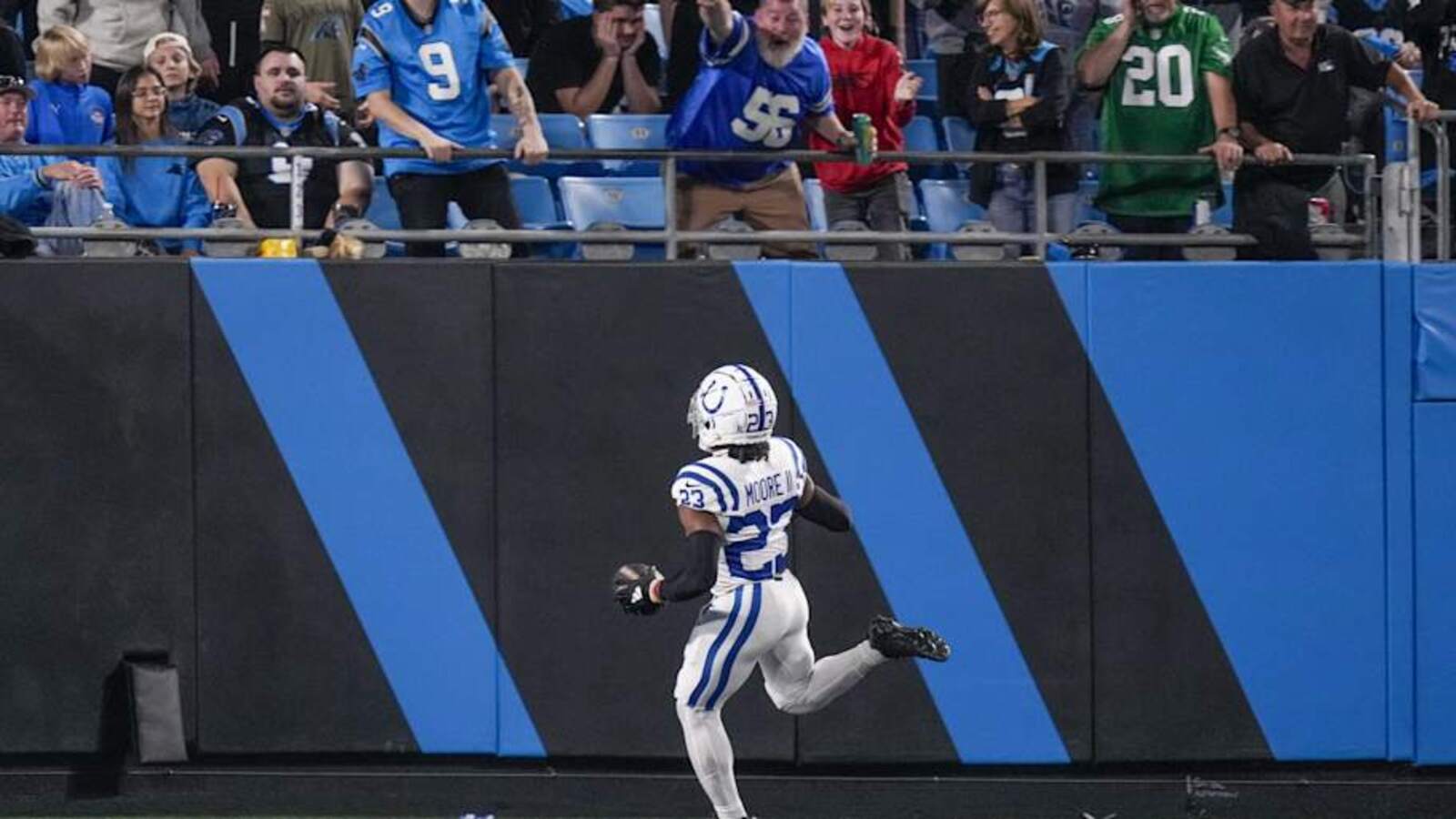
The Carolina Panthers represent the most logical trade destination. Beyond Moore’s historic dominance against the franchise, Carolina’s current defensive rebuild under GM Dan Morgan requires veteran stability. Acquiring Moore would allow the Panthers to pivot their draft strategy toward offensive needs, providing an immediate upgrade to a secondary that has struggled with explosive play suppression. His arrival would offer a proven mentor for their younger defensive backs while addressing a critical tactical void in the slot.