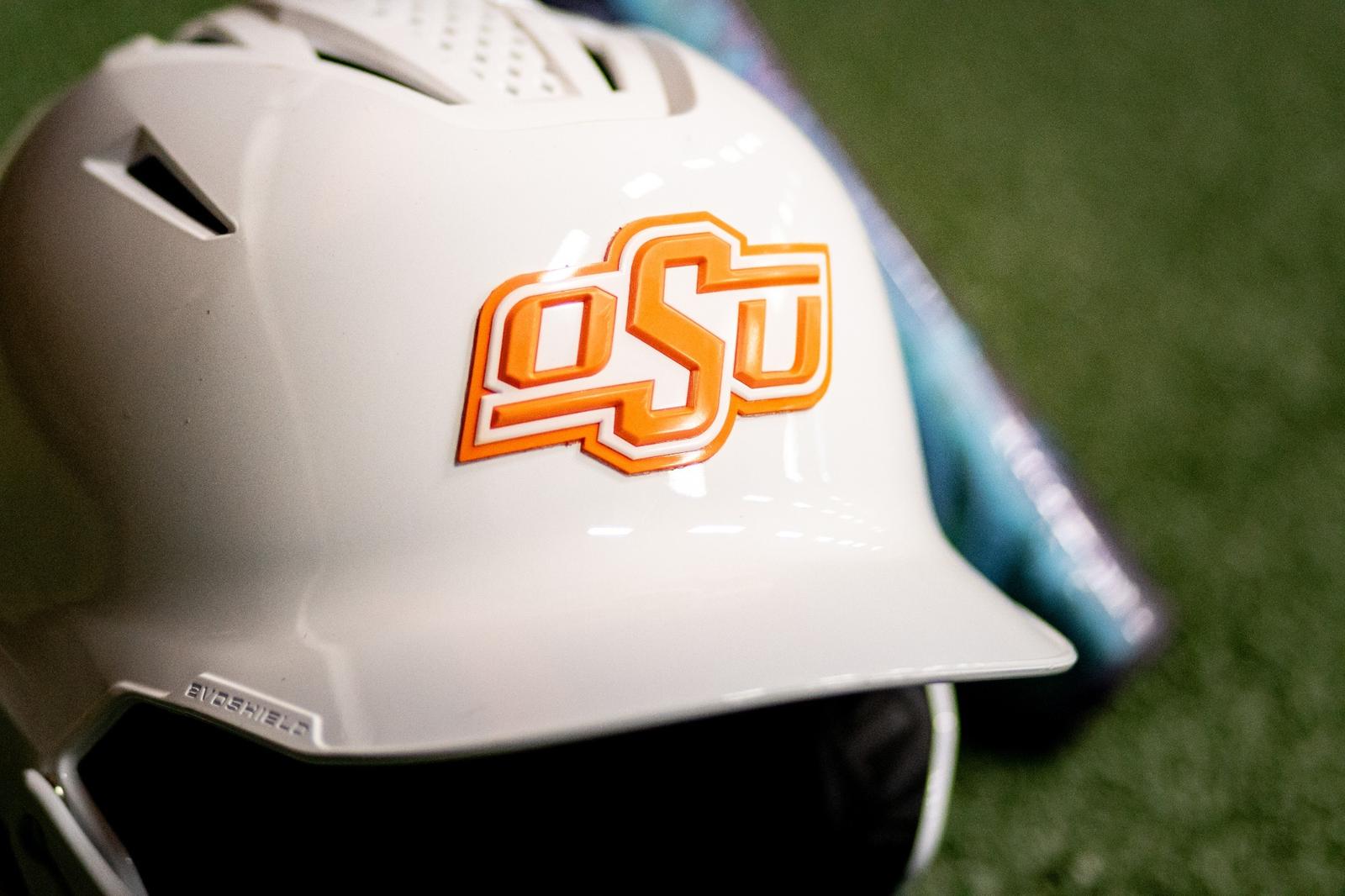
The postponement of the Oklahoma State University (OSU) softball fixture against Wichita State highlights the intersection of elite collegiate logistics and emergency risk management. Following a fatal collision involving a pedestrian on an interstate highway, OSU Athletics suspended immediate operations to prioritize the safety and psychological welfare of the travel party. While the university confirmed zero injuries among student-athletes and staff, the incident necessitates a comprehensive administrative pause to address legal, logistical, and emotional repercussions.
Institutional Risk Management and Logistical Volatility
The involvement of a university-chartered vehicle in a fatal event triggers rigorous liability assessments and internal protocols. Beyond immediate safety, the university must navigate the complexities of rescheduling a non-conference game within a compressed April schedule. This recalibration extends beyond the diamond, impacting RPI projections, pitching rotations, and the operational planning of the host institution. For a nationally-ranked program like the Cowgirls, these disruptions require strategic management to preserve competitive momentum while fulfilling the institution’s duty of care.
Crisis Communication and Investigative Transparency
According to preliminary reports from local media and law enforcement, the incident involved a pedestrian acting erratically on the highway—a critical detail that shifts the focus toward unavoidable transit hazards. OSU’s swift communication regarding the travel party’s status served to stabilize stakeholder concerns among parents and boosters. By withholding a rescheduled date until the crisis is managed, the athletic department demonstrates a sophisticated approach to crisis communication, ensuring the human element of the tragedy remains the primary focus.
Psychological Welfare and Regulatory Compliance
The psychological impact on student-athletes witnessing a fatal accident requires immediate intervention via institutional mental health resources. Simultaneously, legal teams must interface with state law enforcement to verify compliance with federal transportation standards for commercial bus operations. This event underscores the vulnerability of athletic departments during high-frequency travel. The eventual resumption of play will depend on the program’s ability to transition from crisis management back to the high-pressure environment of Big 12 competition.