Dodgers’ Dominance Exposes Structural Imbalance in MLB
The Los Angeles Dodgers’ recent visit to Toronto provided a stark illustration of the competitive chasm developing in Major League Baseball. The game, which resulted in a decisive 14-2 victory for the Dodgers, was framed by local fans as an opportunity for vengeance against the team described as “evil American mercenaries.” This narrative, fueled by the Dodgers’ recent success, highlights a growing structural tension between high-revenue markets and teams struggling to maintain competitive parity. The pre-game atmosphere at Rogers Centre, where fans gathered to view trophies from the Blue Jays’ 1992 and 1993 championships, contrasted sharply with the on-field reality of the current matchup.
The Dodgers’ performance demonstrated a level of strategic depth that extends beyond individual star power. The relentless offensive output, which included five home runs and scoring in every inning except one, amplified the financial and operational disparities that define modern professional sports leagues.
Strategic Depth and Roster Construction
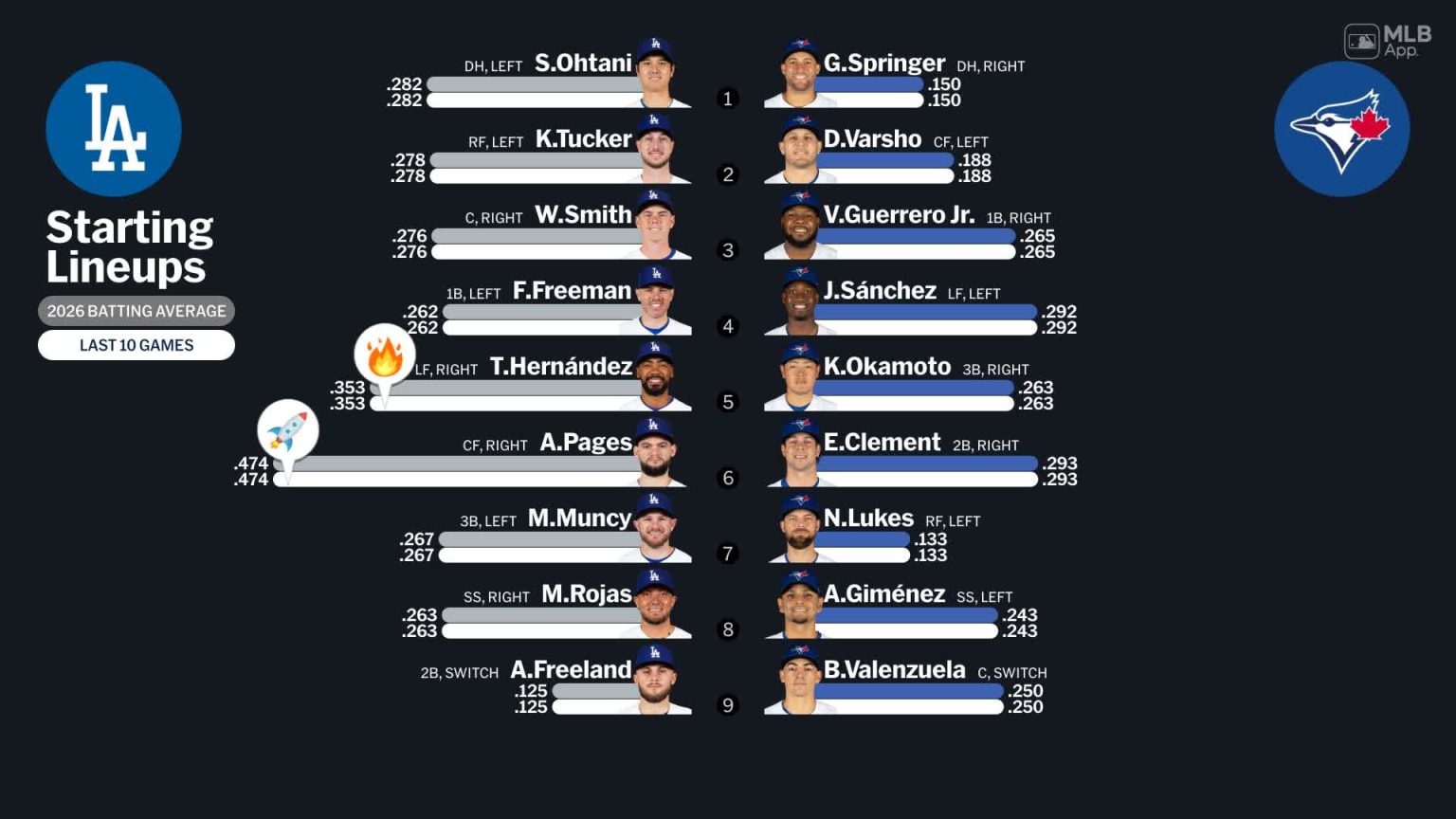
A significant aspect of the Dodgers’ victory was their ability to achieve overwhelming success despite fielding a lineup without two prominent players, Mookie Betts and Will Smith. This operational resilience points to a strategic approach focused on deep roster construction and player development, rather than relying solely on high-profile acquisitions. The performance of players like Dalton Rushing, who contributed two home runs, underscores the effectiveness of this strategy in mitigating the impact of injuries or rest days for key personnel. The ability to maintain high performance standards across a full roster provides a critical competitive advantage over a long season, positioning the team for sustained success in the postseason.
For competitors like the Blue Jays, this level of depth represents a significant structural hurdle. It requires a long-term investment in scouting, player development, and financial resources that few teams can match. While high-spending teams are often criticized for buying championships, the Dodgers’ success in this specific game highlights how internal development and strategic depth ensure consistent operational output, regardless of player availability.
The Financial Narrative of “Mercenaries”
The fan sentiment describing the Dodgers as “evil American mercenaries” reflects a broader critique of competitive balance in MLB. This narrative arises when high-revenue teams leverage significant financial resources to acquire top talent through free agency, creating a perceived imbalance against teams operating with more constrained budgets. The ability to outbid competitors for top talent allows teams in large markets to create a self-perpetuating cycle of success, where increased revenue from championships further enhances their financial advantage.
The comparison to the Blue Jays’ 1992-1993 championship era highlights the evolution of the league’s economic structure. The current environment, dominated by high-spending teams, makes it increasingly difficult for teams in smaller markets or those with less robust revenue streams to compete consistently at the highest level. The “mercenary” label, therefore, serves as a shorthand for the frustration felt by fans who perceive a system where financial power dictates competitive outcomes.
Performance Disparity and Strategic Consequences
The Blue Jays’ current performance trajectory further underscores the competitive gap. Entering the series on a four-game losing streak, the team’s struggles contrasted sharply with their recent competitive high points. This regression suggests potential operational or strategic issues that extend beyond the specific matchup with the Dodgers. The rapid decline in performance raises questions about team cohesion, strategic adjustments, and the long-term sustainability of their current roster composition.
The pitching matchup for the game, featuring Max Scherzer for the Blue Jays and Justin Wrobleski for the Dodgers, further illustrates the strategic complexity. Scherzer, a veteran pitcher with a strong 1.50 ERA at the time, was expected to provide a competitive advantage. However, the Dodgers’ offensive outburst against him highlights the difficulty of relying on individual performance to overcome a systemic advantage in roster depth and offensive firepower. The Blue Jays’ inability to contain the Dodgers’ offense, despite a favorable pitching matchup, suggests a broader vulnerability in their strategic execution.
Betting Markets and Performance Leverage
The pre-game betting odds, which listed the Dodgers as favorites, reflected market expectations of their superior performance. The final score of 14-2 significantly exceeded the over/under, demonstrating a high degree of performance leverage by the Dodgers. This outcome highlights the difficulty for betting models to accurately predict the magnitude of a team’s dominance, even when correctly identifying the favorite. The mention of an “advanced model” used by SportsLine underscores the increasing role of data analytics in sports betting and performance evaluation. The game serves as a reminder that even advanced models must account for high variance events and the potential for dominant teams to significantly outperform expectations.
Institutional Legacy and Stakeholder Implications
The comparison between the Dodgers’ success and the Blue Jays’ 1992-1993 titles provides a framework for discussing institutional legacy. The Blue Jays’ decision to display their historical trophies before the game was a strategic move to connect with fan nostalgia. However, the subsequent loss on the field created a stark contrast between past glory and current performance, potentially undermining the intended effect. For the Dodgers, consistent success solidifies their position as a dominant force and enhances brand value and revenue streams.
The fan reaction, characterized by boos and a desire for vengeance, highlights the emotional investment of stakeholders in the competitive narrative. The term “mercenaries” reflects a perception of external forces disrupting a local identity. The institutional challenge for the Blue Jays is to navigate this emotional landscape while making strategic decisions necessary to compete in the current economic structure of MLB. The game serves as a microcosm of the larger structural issues facing the league, where competitive balance remains a central challenge for long-term sustainability and fan engagement.