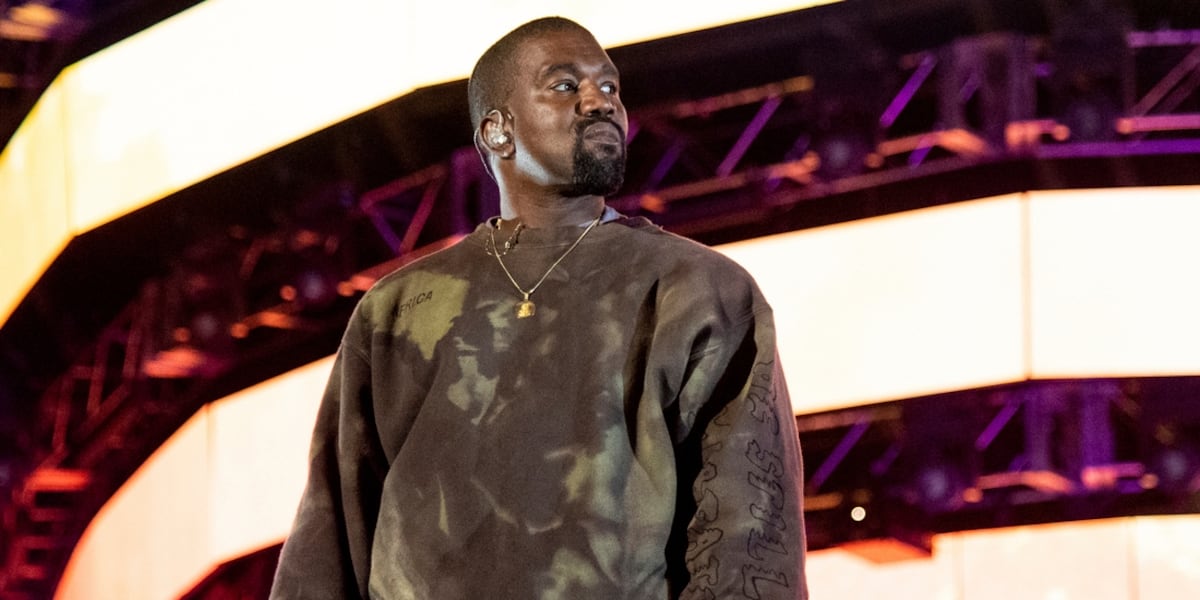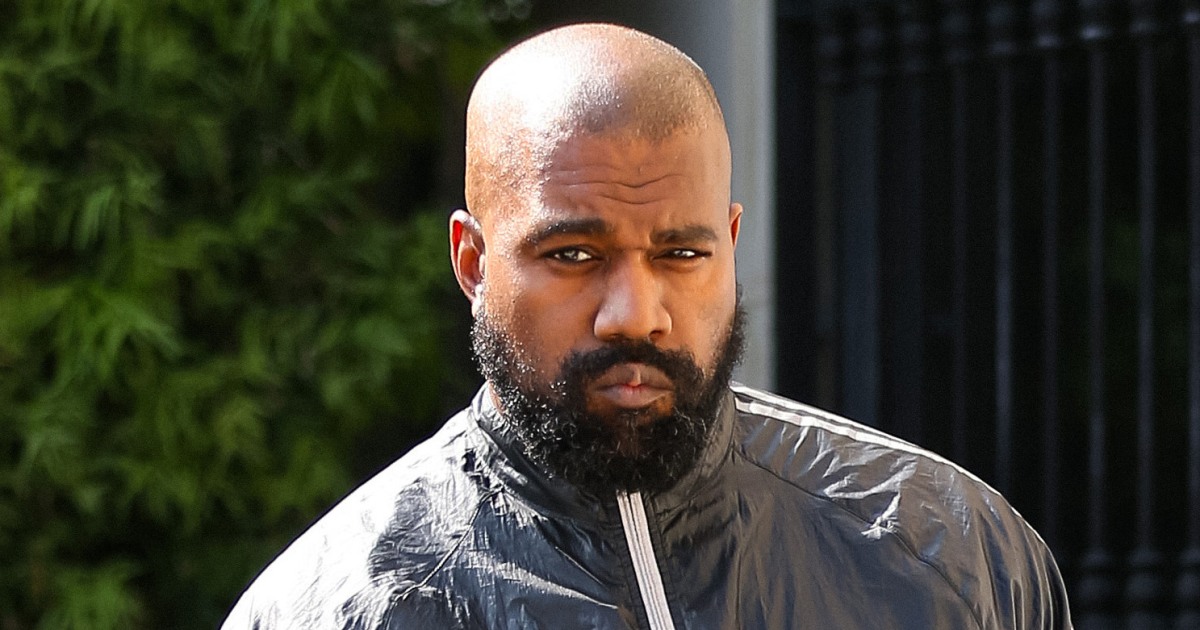
The sudden cancellation of Wireless Festival 2026, triggered by the United Kingdom Home Office’s decision to bar Ye (formerly Kanye West), highlights a volatile intersection of immigration law, corporate liability, and cultural gatekeeping. By revoking Ye’s Electronic Travel Authorization (ETA) on the grounds that his presence would not be ‘conducive to the public good,’ the British government has asserted a regulatory supremacy that overrides the commercial interests of the global live music sector.
The ‘Public Good’ Clause as a Regulatory Barrier
The Home Office’s invocation of the ‘conducive to the public good’ standard represents a definitive exercise of administrative power. This legal mechanism allows the Secretary of State to deny entry based on an individual’s character or past conduct—in this case, Ye’s documented history of antisemitic and extremist rhetoric. This decision prioritizes social cohesion and national policy on hate speech over the economic contributions of high-profile international talent, establishing a rigorous precedent for the vetting of controversial figures.
Systemic Vulnerability and the Headliner Dependency Model
Festival Republic, a Live Nation subsidiary, faces a catastrophic operational failure following the decision to terminate the three-day event rather than pivot to an alternative headliner. This total collapse underscores a structural weakness in the modern mega-festival model: the ‘monolithic headliner’ dependency. The event’s commercial viability was evidently tied to Ye’s first UK appearance in a decade, leaving the organizers without a viable contingency when faced with sovereign risk.
Financial Liquidity and Mass Refund Logistics
Processing refunds for an estimated 150,000 ticket holders creates an immediate liquidity strain and a massive administrative burden. Beyond the reversal of ticket revenue, Festival Republic must absorb significant sunk costs in marketing, site infrastructure at Finsbury Park, and logistical deployments. This financial shock is compounded by the reputational damage associated with a failure to anticipate the political and regulatory headwinds surrounding their primary talent acquisition.
ESG Standards and Brand Contagion
The cancellation was accelerated by mounting pressure from corporate sponsors and community stakeholders for whom Ye’s presence represented a violation of Environmental, Social, and Governance (ESG) standards. The threat of ‘brand contagion’—where a sponsor’s reputation is damaged by association with controversial talent—forced a situation where the festival’s continuation became ethically and commercially untenable. The government’s intervention effectively resolved the growing friction between corporate profit motives and the ethical demands of the public sphere.
Macroeconomic Impact on London’s Hospitality Sector
The removal of Wireless 2026 from the summer calendar results in a significant downward revision of projected revenue for London’s hospitality and transportation networks. Hotels, local businesses in North London, and Transport for London (TfL) lose a concentrated period of high-volume consumer spending. This ripple effect extends to the seasonal workforce and technical supply chains—including security and logistics firms—that had allocated exclusive resources to this window, resulting in unrecoverable opportunity costs.