Roku Expands FAST Offering, Intensifying Platform Competition with Google TV
Roku has introduced six new dedicated channels to The Roku Channel, available immediately on all Roku TVs and streaming players. These additions, accessible via specific channel numbers, diversify Roku’s content library with a mix of classic television, reality competition, and specialized entertainment. The content caters to specific demographics, featuring vintage Westerns, timeless sitcoms, tattoo artistry, and a significant expansion of Spanish-language programming. This strategic expansion reinforces Roku’s commitment to the free ad-supported streaming television (FAST) model, leveraging niche content to capture cost-conscious consumers in an increasingly saturated streaming market.
The move represents a significant strategic pivot in media distribution, driven by the saturation of subscription video on demand (SVOD) services. As SVOD platforms face rising customer acquisition costs and subscription fatigue, FAST platforms offer an alternative, ad-supported model to capture market share among price-sensitive consumers. Roku’s decision to focus on expanding its free library rather than high-cost original production positions it as a direct alternative to both traditional cable bundles and other premium streaming ecosystems. This approach emphasizes content aggregation and monetization of existing library assets rather than relying on a high-cost content creation model.
Strategic Implications of Audience Segmentation and Ad Monetization
Roku’s channel expansion, particularly the addition of niche programming like classic Westerns (e.g., *Rawhide*) and Spanish-language content, is designed to enhance audience segmentation and increase engagement. By curating dedicated channels for specific interests, Roku effectively targets diverse demographics often underserved by mainstream SVOD platforms. For instance, the inclusion of Spanish-language channels addresses the significant and growing U.S. Hispanic market, creating valuable, high-precision ad inventory for brands targeting this demographic.
This strategy optimizes the core economic driver of the FAST model: ad revenue generation. Unlike SVOD services that rely on monthly fees, FAST platforms monetize content through ad impressions. Increased content variety and depth correlate directly to increased viewing hours and, consequently, a larger ad inventory. By capturing highly engaged niche audiences, Roku maximizes the value proposition for advertisers. The acquisition of established intellectual property, such as *Rawhide*, allows Roku to maintain a favorable cost structure compared to the high-risk, high-cost investment required for original programming, while simultaneously expanding its content library.
The financial viability of this approach hinges on a delicate balance: ensuring ad revenue generated from these channels exceeds the cost of licensing and operating them. The focus on specific audience segments suggests a deliberate strategy to optimize this balance by increasing the efficiency of ad targeting and maximizing the yield per impression. This creates a virtuous cycle where more content attracts more viewers, which in turn attracts more advertisers, generating more revenue for further content acquisition and expansion.
Competitive Landscape: Roku vs. Google TV
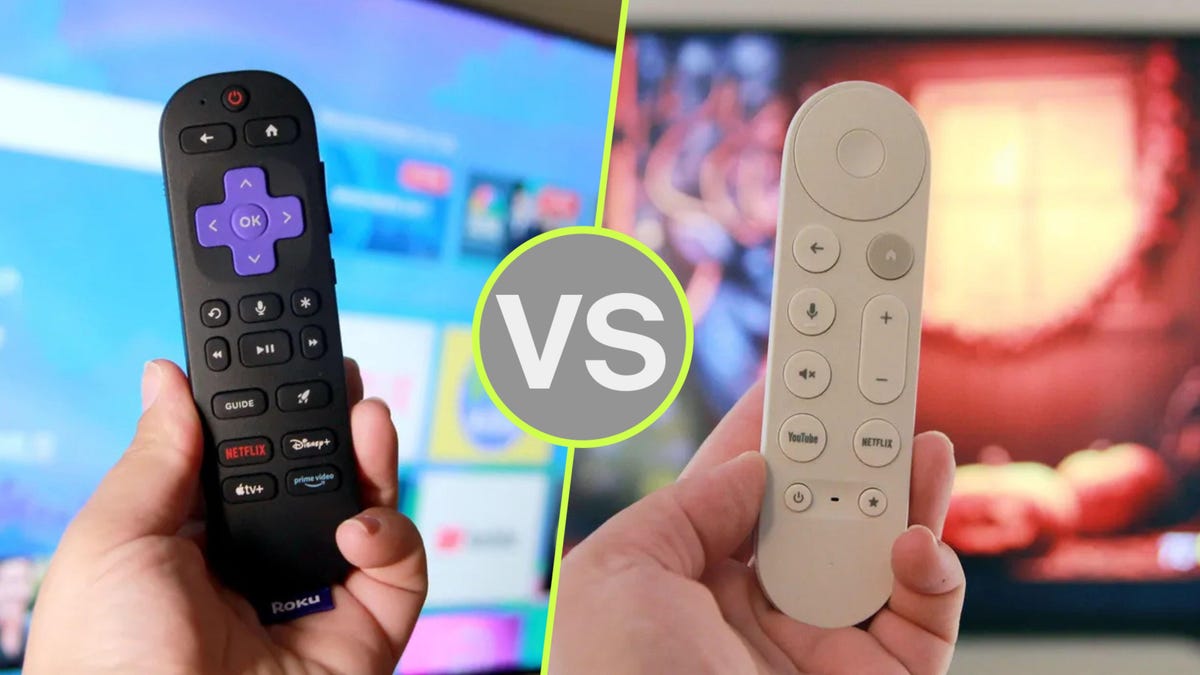
Roku’s FAST expansion intensifies the competition with rival platforms, most notably Google TV. The competitive dynamic between these two ecosystems centers on becoming the primary gateway for streaming content in the living room, with both vying to control the user interface and capture ad revenue.
Roku’s competitive advantage lies in its hardware dominance and platform-agnostic approach. By selling low-cost streaming players and licensing its operating system to TV manufacturers, Roku establishes a vast installed base of users. The Roku Channel serves as a key component of this ecosystem, fostering platform lock-in by providing a curated, ad-supported experience that encourages users to stay within the Roku environment. This strategy makes Roku a powerful aggregator, where its operating system acts as the central hub for all streaming content, including its own FAST service.
Conversely, Google TV leverages the broader Google ecosystem and Android operating system. Google’s advantage is rooted in its extensive data collection capabilities and integration with search, recommendations, and smart home functionality. While Roku prioritizes content aggregation and ad inventory, Google TV integrates more deeply into the user’s digital life. The competition between the two platforms is fundamentally a battle between hardware-centric aggregation (Roku) and data-centric ecosystem integration (Google).
Market Implications and Consumer Decision-Making
Roku’s expansion accelerates the migration of advertising spending from traditional linear television to connected TV (CTV). As platforms like Roku attract more viewers to free ad-supported content, they pull audience share away from traditional broadcasters. This trend increases the value of legacy content libraries, as platforms fiercely compete for licensing rights to established shows that can fill out their FAST offerings. This shift fundamentally alters the business models of traditional media companies and increases pressure on cable providers to adapt.
In a saturated market where platforms constantly add new features and content, consumer decision-making becomes increasingly complex. Independent analysis, such as that provided by sources like ZDNET (referenced in the source material), plays a vital role in guiding consumer choices. The emphasis on transparency regarding affiliate commissions ensures editorial integrity in assessing competing platforms. This independent verification helps consumers navigate the complexities of content libraries, user interfaces, and pricing models, distinguishing between genuine value propositions and mere promotional claims from competing platforms like Roku and Google TV.
The future success of Roku’s expansion will depend on its ability to maintain high user engagement and deliver consistent value to both viewers and advertisers in a rapidly fragmenting media ecosystem. The ongoing competition between Roku and Google TV will likely drive further innovation in content curation and ad technology, pushing platforms to refine their recommendation engines and ad-targeting capabilities to meet evolving consumer demands for personalized experiences.