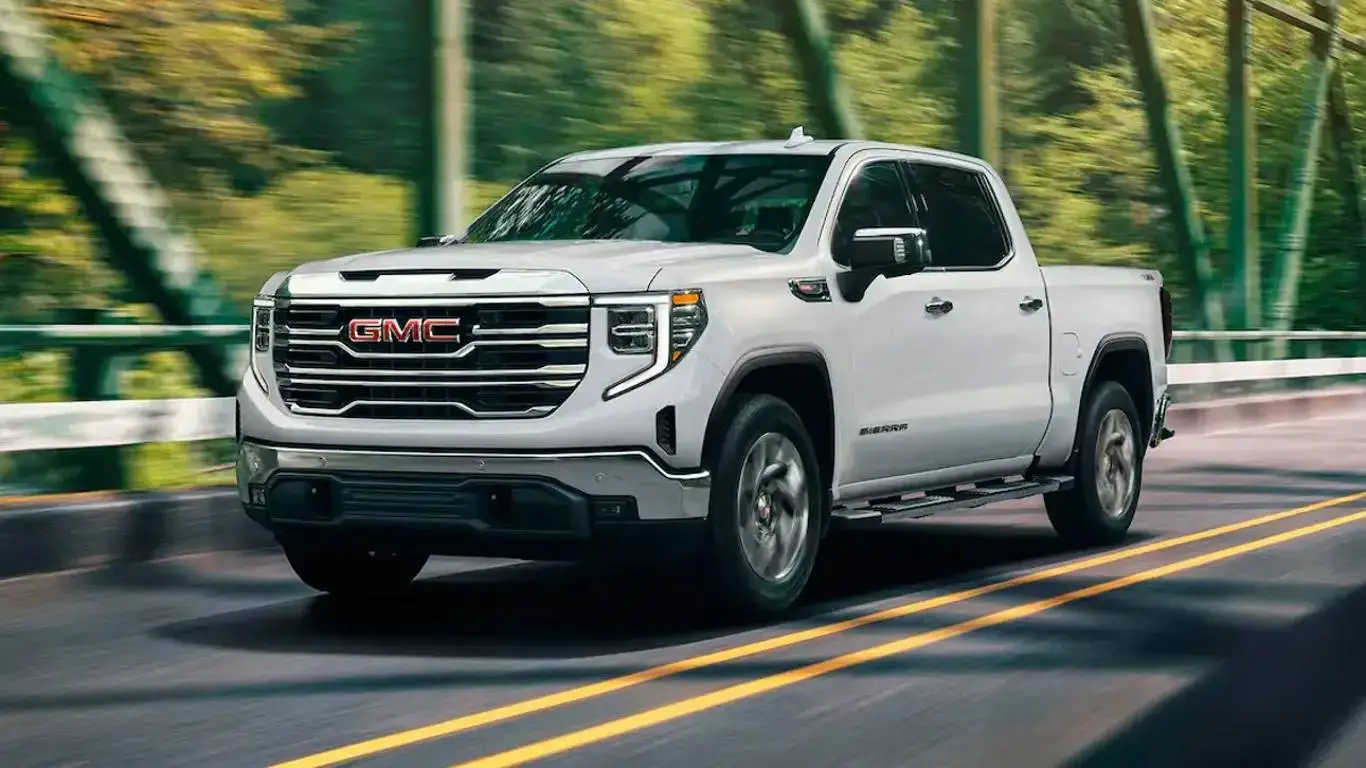
The recent sighting of 2027 Chevrolet Silverado and GMC Sierra 1500 prototypes signals the final validation phase of General Motors’ T1 platform mid-cycle enhancement (MCE). By transitioning from heavy vinyl cladding to body-conforming wraps, GM indicates that the structural and aerodynamic profiles have reached production-ready maturity. This update is less a radical aesthetic pivot and more a targeted exercise in manufacturing optimization and user-experience refinement, designed to protect margins in the hyper-competitive full-size segment.
Component Rationalization: The Electronic Shifter Transition
A pivotal operational shift for the 2027 model year is the universal adoption of an electronically controlled, column-mounted transmission shifter across all trim levels. This maneuver addresses a long-standing complexity in GM’s assembly process: the need to manage disparate interior architectures for bench-seat versus bucket-seat configurations. By standardizing the electronic interface, GM achieves significant SKU rationalization, reducing the bill of materials and simplifying the cockpit assembly sequence.
Beyond logistics, the move to an electronic column shifter maximizes center-console ‘real estate.’ By eliminating mechanical linkages, designers have repurposed the console area for high-output wireless charging, modular storage, and enhanced cooling for infotainment hardware. This configuration also preserves the traditional ‘truck feel’ preferred by core users while providing the signal-path flexibility required for advanced semi-autonomous features like Super Cruise.
Powertrain Strategy: Balancing CAFE and Capability
The 2027 Silverado’s base-tier engineering continues to leverage the 2.7L TurboMax I4 (L3B) engine, paired with a refined 8-speed automatic transmission. Generating 310 horsepower and a class-leading 430 lb-ft of torque at low RPM, this powertrain is GM’s primary lever for meeting tightening Corporate Average Fuel Economy (CAFE) standards without alienating fleet buyers. The 8-speed unit remains the choice for this engine due to its proven thermal durability and optimized gear spacing for the TurboMax’s specific torque curve.
Efficiency metrics—averaging 18 MPG city and 21 MPG highway for RWD models—suggest that GM is extracting gains through aerodynamic drag reduction rather than costly hybrid hybridization at the entry level. The persistence of heavy-duty lead-acid batteries in base trims highlights a commitment to total cost of ownership (TCO) for commercial fleets, reserving AGM and Lithium-ion chemistries for high-draw luxury trims like the High Country and Denali Ultimate.
Market Position and Margin Protection
The 2027 refresh is a bridge between the purely mechanical past and a software-defined future. As the Silverado and Sierra generate the bulk of GM’s free cash flow, the precision of this MCE is vital. The standardization of interior components across the Yukon, Tahoe, and Sierra EV allows for unprecedented economies of scale. For stakeholders, these updates represent a disciplined deployment of capital—investing in high-visibility interior tech and aerodynamic efficiency while maintaining amortized, reliable mechanical foundations that satisfy the demands of the North American truck buyer.