Conforto to Cubs: A Strategic Reclamation Play in the NL Central
The Chicago Cubs’ acquisition of Michael Conforto on February 23, 2026, represents a calculated gamble on a veteran reclamation project within a dynamic National League landscape. Securing Conforto after his career-worst tenure with the Los Angeles Dodgers, the Cubs are strategically positioning themselves to absorb the risk of a high-walk, low-average profile in exchange for potential left-handed power depth and veteran presence. This move subtly reflects a broader market fluidity, completing an informal exchange dynamic as outfield profiles like Kyle Tucker also shift. For the Cubs, this signifies a pivot towards high-upside veteran contracts that prioritize defensive flexibility and experience over long-term financial commitments to elite-tier free agents.
The institutional logic behind this signing rests on the Cubs’ belief in Conforto’s underlying metrics, specifically his consistent 10.5% walk rate, which provides a stable on-base floor despite his recent batting average collapse. By offering a fresh start in Chicago, the front office is betting that a change in environment and a tailored hitting approach can unlock a return to the offensive production levels seen during his earlier career with the Mets and Giants.
Dodgers’ Player Development Limits & Conforto’s Departure
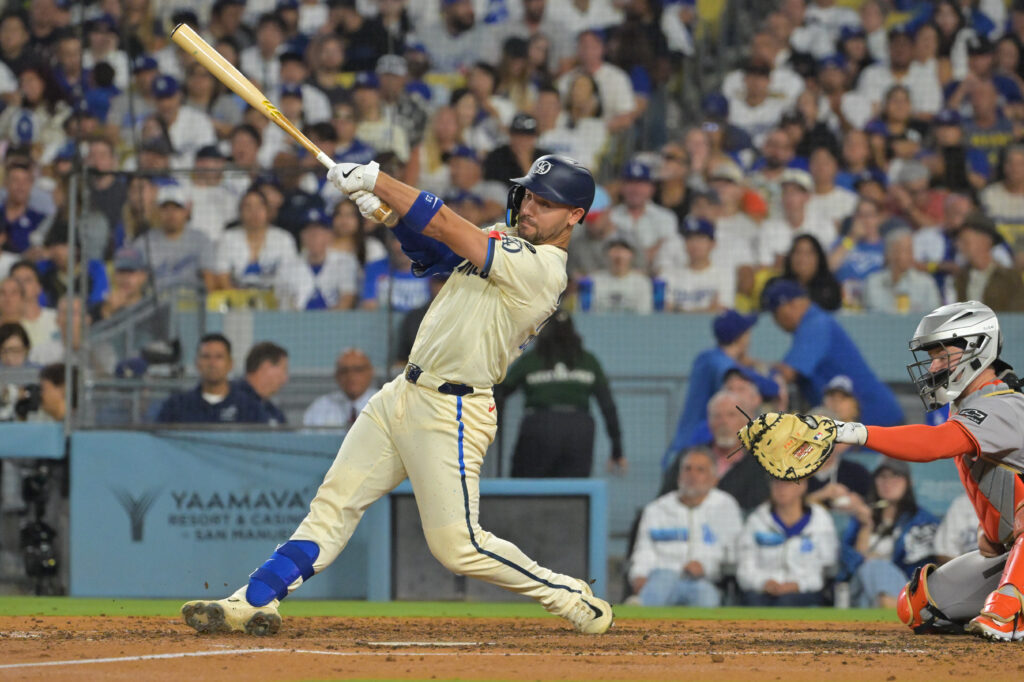
The Los Angeles Dodgers’ inability to rectify Michael Conforto’s swing mechanics throughout the 2025 season underscores the inherent limits of even the most sophisticated player development systems. Despite a full offseason and continuous in-season adjustments, the left-handed hitter posted a career-low .199/.305/.333 slash line, suggesting a fundamental disconnect between coaching intervention and physical execution. This failure is particularly notable given the Dodgers’ reputation for maximizing veteran value through data-driven mechanical overhauls. The fact that Conforto’s performance never consistently clicked, despite brief windows of positive results, indicates that the physical toll of his 2022 shoulder surgery may have created permanent limitations in his swing path and bat speed, beyond the scope of even elite coaching to fully overcome.
For the Dodgers, moving on from Conforto allows the organization to reallocate roster spots to more consistent offensive contributors and maintain financial flexibility. His departure marks the end of a high-leverage experiment that failed to provide the necessary left-handed balance to their lineup, necessitating a recalibration of their bench depth and outfield rotation.
Astros’ Strategic Paralysis: A Case of Asset Mismanagement
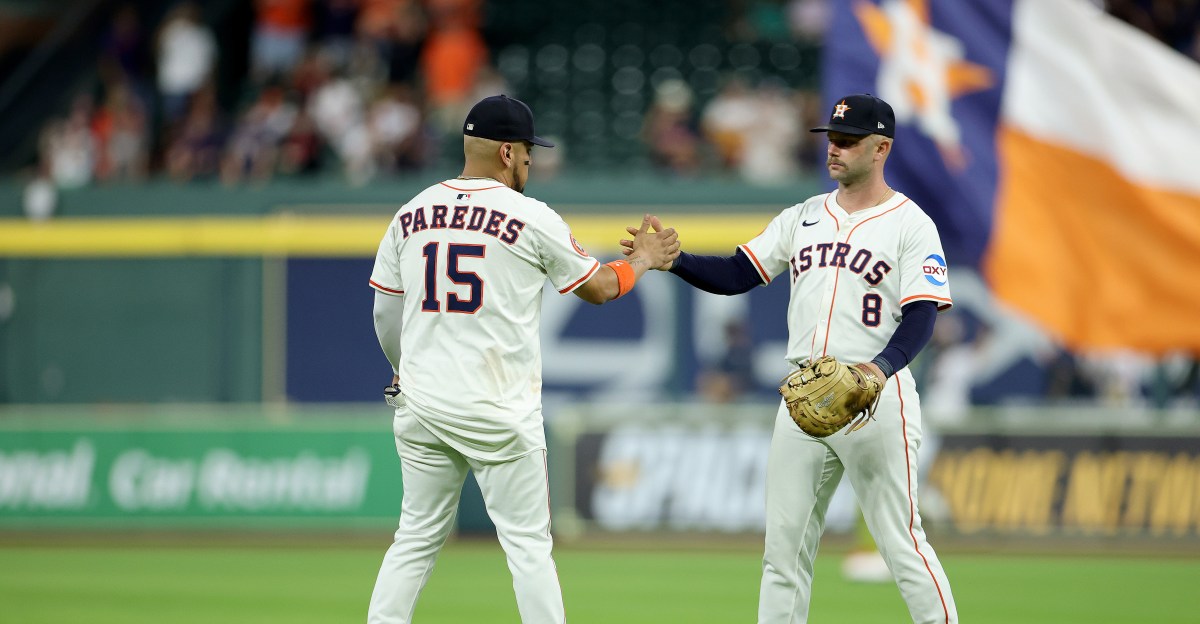
The Houston Astros’ failure to secure Michael Conforto, or to execute any meaningful trade for a left-handed bat, reveals a concerning period of strategic paralysis within the front office. General Manager Dana Brown’s inability to leverage a surplus of infield talent, specifically involving Isaac Paredes, Christian Walker, and Jake Meyers, has left the roster with unresolved holes in the outfield, bullpen, and catching depth. Reports indicating diminished interest in Paredes suggest the Astros may have overplayed their hand by maintaining an asking price the market was unwilling to meet. This stagnation is critical because it leaves the team with an infield logjam that compromises overall roster efficiency and limits the developmental path for younger players.
The missed opportunity to acquire a veteran like Conforto, or to strategically flip assets for other pressing needs, raises serious questions about the Astros’ current valuation of their own players relative to the league’s assessment. By failing to address obvious roster deficiencies and exhibiting a breakdown in trade negotiation strategy, the organization risks entering the 2026 season with a lopsided roster that lacks the necessary balance and tactical depth to compete at the highest level of the competitive American League West.
The Mechanics of Decline: Conforto’s Post-Surgery Trajectory
Michael Conforto’s downward trajectory since his 2022 shoulder surgery provides a compelling case study in the long-term impact of major orthopedic procedures on power hitters. While he has impressively maintained his ability to draw walks, his line-drive rate has plummeted from a career average of 22.4% to just 17.8% in the three seasons following his return. This significant shift toward more grounders and weak fly-balls strongly suggests a fundamental loss of barrel control and a reduction in the explosive rotational power required to consistently drive the ball into the gaps. For a hitter who once relied on a balanced, all-fields approach, this mechanical degradation has increasingly forced him into a more passive role at the plate, where he is disproportionately dependent on pitcher mistakes rather than proactively generating power.
The Chicago Cubs are now tasked with managing this decline, likely through judicious platooning or specific situational usage. If Conforto cannot rediscover his ability to consistently elevate the ball with authority and maintain a respectable line-drive profile, his utility as a major league starter will continue to erode, regardless of his commendable ability to reach base via the walk.
Broader Market Trends & Competitive Outlook
The limited market for Michael Conforto prior to his signing with the Cubs reflects a broader industry skepticism regarding aging left-handed hitters with significant injury histories. While the Houston Astros and Chicago White Sox expressed interest, the absence of a bidding war underscores the league-wide shift toward younger, more athletic outfielders with higher defensive ceilings. Conforto’s 83 wRC+ in 2025 served as a significant deterrent for teams actively seeking middle-of-the-order production. His late signing on February 23, deep into the free-agency cycle, further illustrates how veteran players with declining metrics are being squeezed into short-term, low-guarantee contracts as teams prioritize financial flexibility for potential mid-season acquisitions.
This trend places increased pressure on players like Conforto to perform immediately in their new environments. For the Cubs, the low cost of acquisition provides a crucial safety net, mitigating the risk. However, for Conforto, another sub-par season could signal the definitive end of his tenure as a primary offensive option in the major leagues. As he enters his age-33 season, the window to re-establish himself is rapidly closing. The move to the Cubs represents perhaps his final opportunity to prove his 2025 performance was an anomaly rather than a permanent state of decline. For the Houston Astros, the failure to secure his services or any other meaningful left-handed bat remains a glaring omission in their offseason strategy, leaving them vulnerable to the very roster imbalances they ostensibly sought to correct. The downstream effects of these contrasting strategic decisions will manifest early in the 2026 season, with the Cubs testing their outfield depth and the Astros grappling with their infield logjam and its potential impact on playing time and player development. The contrast between the Cubs’ proactive reclamation and the Astros’ conspicuous strategic hesitation will undoubtedly define the competitive narrative for both franchises in the coming year.