A Watershed Moment in Collegiate Sports Distribution
The exclusive broadcast of the No. 15 Michigan State Spartans versus the UCLA Bruins on the Peacock streaming service represents a critical inflection point in collegiate sports media rights. This strategic decision moves a high-stakes Big Ten basketball game entirely outside the conventional linear television ecosystem, compelling viewers to engage with a subscription-based, direct-to-consumer (DTC) platform. The move signifies a fundamental shift in asset valuation, prioritizing the lifetime value (LTV) of a dedicated subscriber over the broad, yet diluted, reach of traditional broadcast and cable television.
The Economic Rationale: From Advertising Reach to Subscriber Revenue
The core of this strategy lies in reallocating capital from models dependent on carriage fees and broad-based advertising to those centered on direct subscription revenue. By placing premium content behind a paywall (Peacock Premium at $10.99/month), the Big Ten and its media partners are treating the game as a high-powered subscriber acquisition tool. This approach intentionally introduces consumer friction—the need to sign up and pay—to segment the audience, effectively filtering for high-intent fans. Success is measured not merely in raw viewership numbers, but in new subscriber conversions, churn reduction, and valuable first-party data collection, metrics that are far more granular and actionable than traditional Nielsen ratings.
On-Court Stakes as a Media Value Multiplier
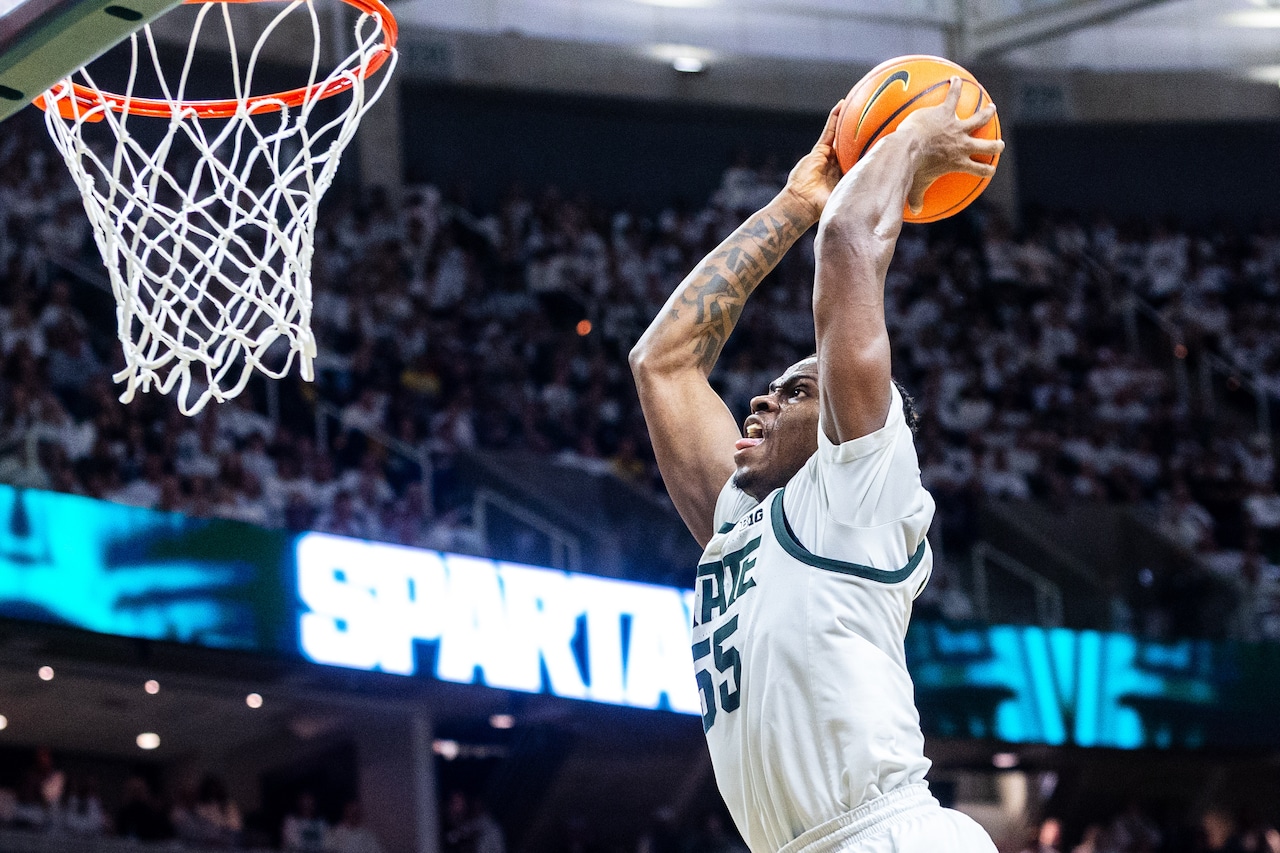
The competitive context of the matchup directly amplifies the broadcast’s perceived value. UCLA, with a 17-8 record and precarious NCAA tournament standing after an 86-56 loss to No. 1 Michigan, faces immense pressure. The performance of key players like Donovan Dent is not just a sports narrative; it becomes a critical justification for the consumer’s subscription cost. Similarly, Michigan State (20-5) must rebound from a significant loss to Wisconsin, making the game’s outcome crucial for their season’s momentum. This high-stakes environment is deliberately leveraged to convert fan urgency into a transactional event, directly monetizing the drama on the court in a way that linear television’s advertising model cannot.
Systemic Implications for Future Media Rights and Fan Engagement
This distribution model serves as a proof-of-concept for future media rights negotiations across all collegiate sports. Its success or failure will provide a benchmark for how aggressively conferences can segment premium inventory. This precedent creates a new dependency for institutions: their brand exposure is no longer guaranteed by conference affiliation alone but is now tied to the marketing efficacy and technical infrastructure of a third-party streaming platform. The result is a potential fracturing of the unified fan viewing experience, where following a single team or conference may require multiple, disparate subscriptions. This decentralization of viewership raises long-term governance questions for universities and conferences regarding equitable fan access versus the maximization of media rights revenue in a volatile digital marketplace.