Strategic Realignment in the Persian Gulf
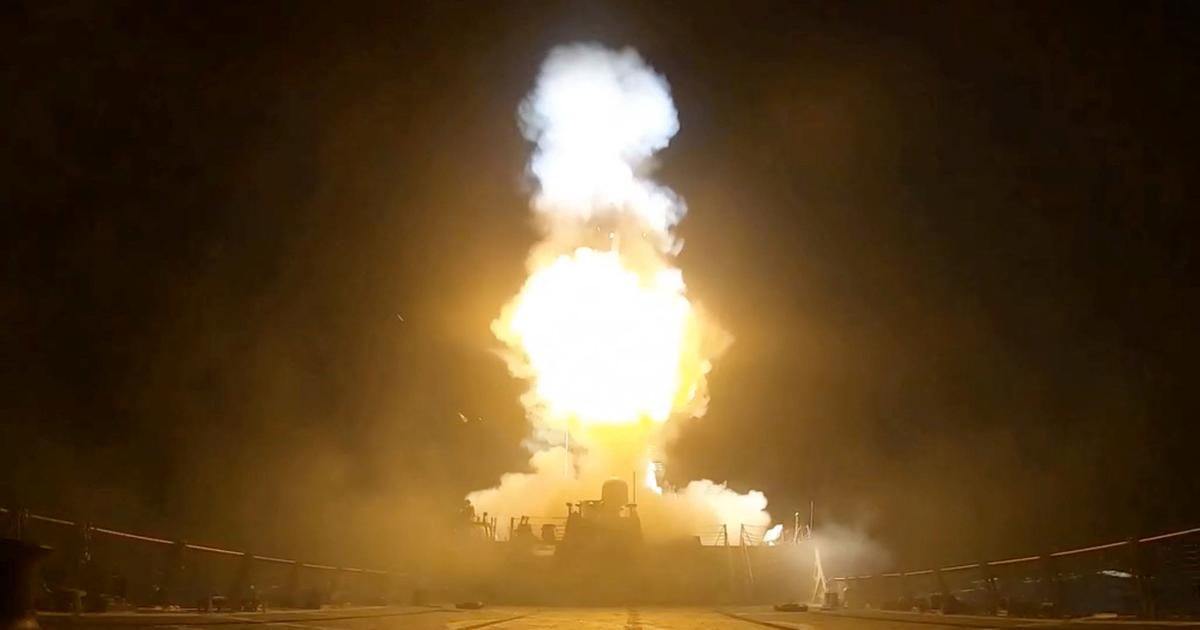
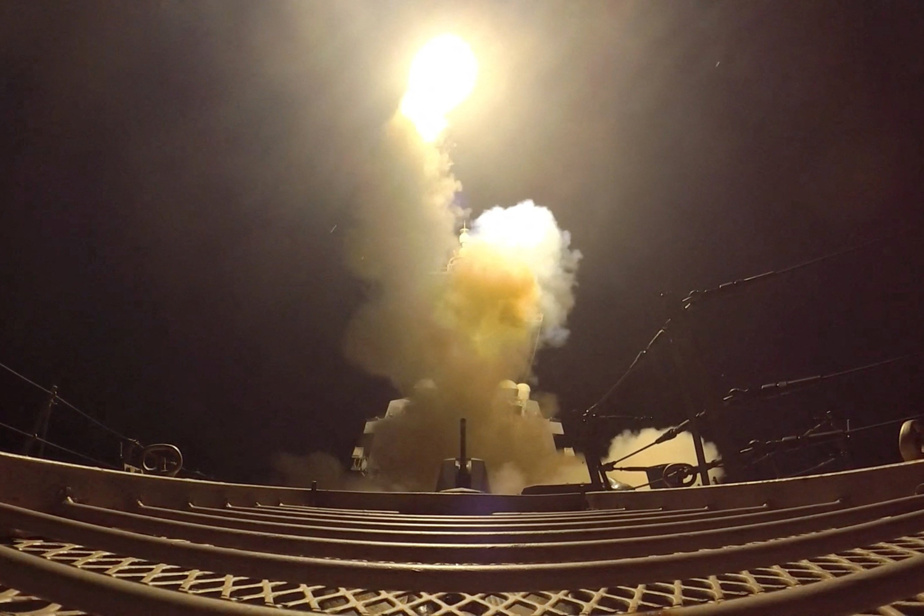
The intensifying military confrontation between the United States and Iran has fundamentally altered the security architecture of the Persian Gulf. By executing precision strikes against approximately 140 nodes—including air defense batteries, coastal radar, and drone infrastructure—the US is systematically dismantling Iran’s anti-access and area-denial (A2/AD) capabilities. These kinetic actions in Khouzistan and near Qeshm island represent a strategic shift intended to neutralize Tehran’s ability to hold maritime transit hostage.
The Strait of Hormuz: A Systemic Chokepoint
The Strait of Hormuz remains the world’s most vital maritime artery for petroleum transit. While US Central Command maintains that the waterway is operational, Iran’s declaration of a closure “until further notice” creates a dangerous decoupling of official rhetoric from maritime reality. This ambiguity serves as a volatility multiplier for global energy markets, where prices react instantaneously to the perceived disruption of supply chains, regardless of short-term transit feasibility.
Operational Spillover and Regional Infrastructure
The conflict has expanded beyond bilateral engagements, with kinetic activity reported in Kuwait and Jordan. The targeting of offshore oil platforms and regional border posts indicates that the theater is no longer contained, forcing a re-evaluation of sovereign risk for energy infrastructure across the Gulf. Investors are now pricing in a sustained risk premium, as regional assets fall within the reach of Iranian asymmetrical warfare assets.
Diplomatic Collapse and Institutional Flux
The breakdown of de-escalation channels marks a transition from diplomatic mediation to pure military posturing. International security frameworks are currently failing to facilitate a ceasefire, leaving the region in a state of institutional instability. This power vacuum forces energy-importing nations to transition away from dependency on high-risk transit corridors toward aggressive diversification of supply chains, prioritizing liquidity and regional autonomy over long-term growth.
Strategic Vulnerabilities and Future Outlook
The reliance on centralized maritime chokepoints has become a manifest liability for the global economy. As host nations for US military assets find themselves in the crossfire—evidenced by the triggering of air defense alerts in Bahrain and strikes on Jordanian territory—the calculus for regional security partnerships is changing. The misalignment of US and Iranian strategic objectives suggests that this instability will persist, necessitating a long-term restructuring of how global powers approach energy security and the resilience of transit routes.