Securing the Straits of Hormuz: Strategic Imperatives
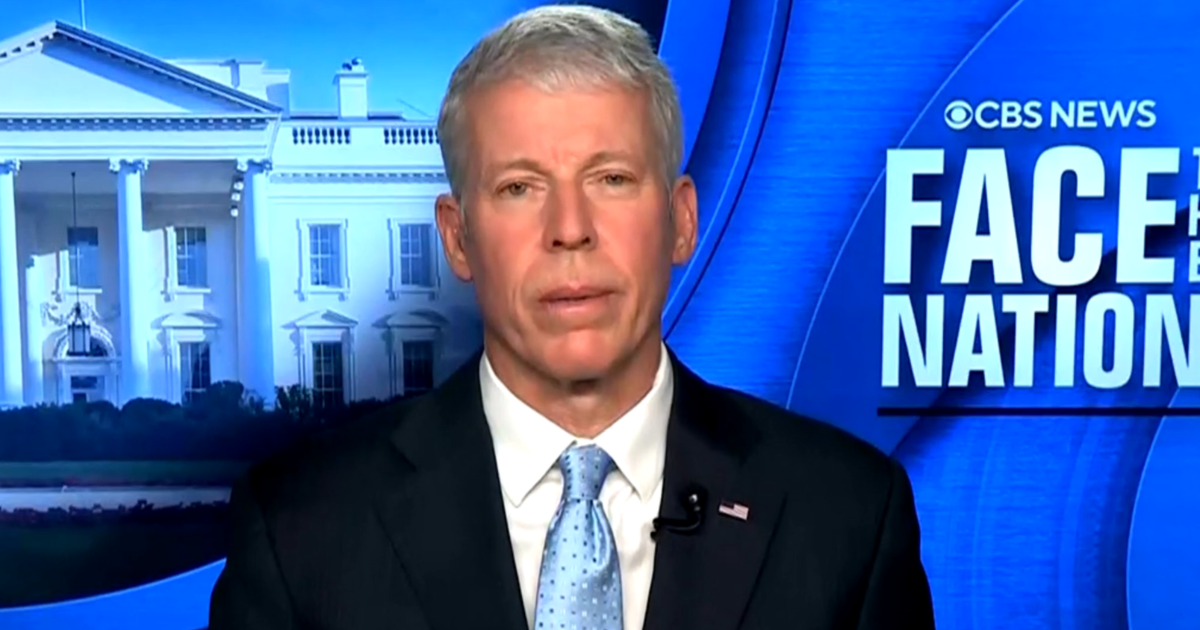
Secretary of Energy Chris Wright has solidified the U.S. commitment to ensuring unrestricted maritime transit through the Straits of Hormuz. As a vital energy chokepoint, the security of this corridor is non-negotiable, serving as a critical buffer against global commodity price shocks. The administration’s focus remains on maintaining operational access, viewing this as a prerequisite for both national security and global economic stability.
Nuclear Proliferation and Diplomatic Coercion
The U.S. has integrated maritime security with a firm stance against Iran’s nuclear program. This dual-track policy utilizes economic leverage to force a shift in Tehran’s strategic calculus. By prioritizing regional containment, the administration aims to move past the current state of instability toward a more predictable long-term security architecture.
Economic Transmission: Market Volatility and Industry Impact
National Economic Council Director Kevin Hassett has identified a direct link between regional geopolitical tensions and corporate performance. The energy volatility stemming from the current standoff has created distinct headwinds for capital-intensive sectors, particularly aviation, where fluctuating fuel costs are eroding profit margins. Investors should anticipate that these risk premiums will remain embedded in energy valuations throughout this period of administrative recalibration.
Presidential Policy and Market Expectations
The recent executive communications regarding a ‘fragile’ ceasefire underscore that active hostilities are not synonymous with market normalization. By maintaining high-readiness force postures, the administration signals to financial markets that the potential for supply disruption remains a structural, rather than transient, risk factor. This policy approach necessitates a sustained risk premium, as the transition to long-term stability remains dependent on Iranian compliance.
Institutional Coordination and Systemic Resilience
The synchronized efforts of the Department of Energy and the National Economic Council reflect a unified strategy: framing Iranian containment as both an energy security necessity and a driver of broader economic health. This coordination is intended to bolster institutional support for the current posture while acknowledging the systemic vulnerability inherent in reliance on narrow transit routes. As the U.S. leverages its position as a global energy leader, its use of economic diplomacy serves to stabilize domestic prices while managing the risks of further regional escalation.